Meet our Members of the Month
Meet our June 2026 Member of the Month
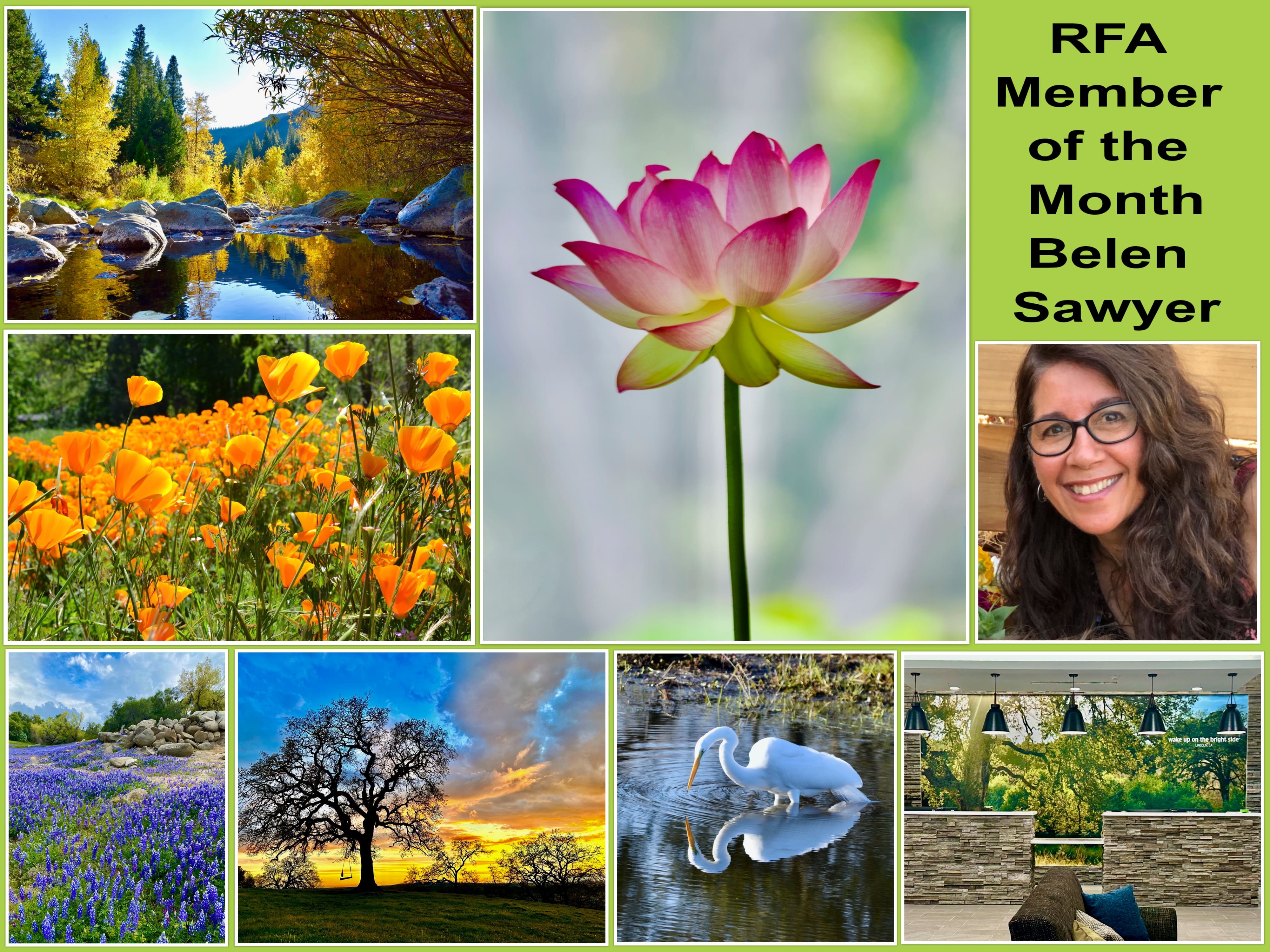
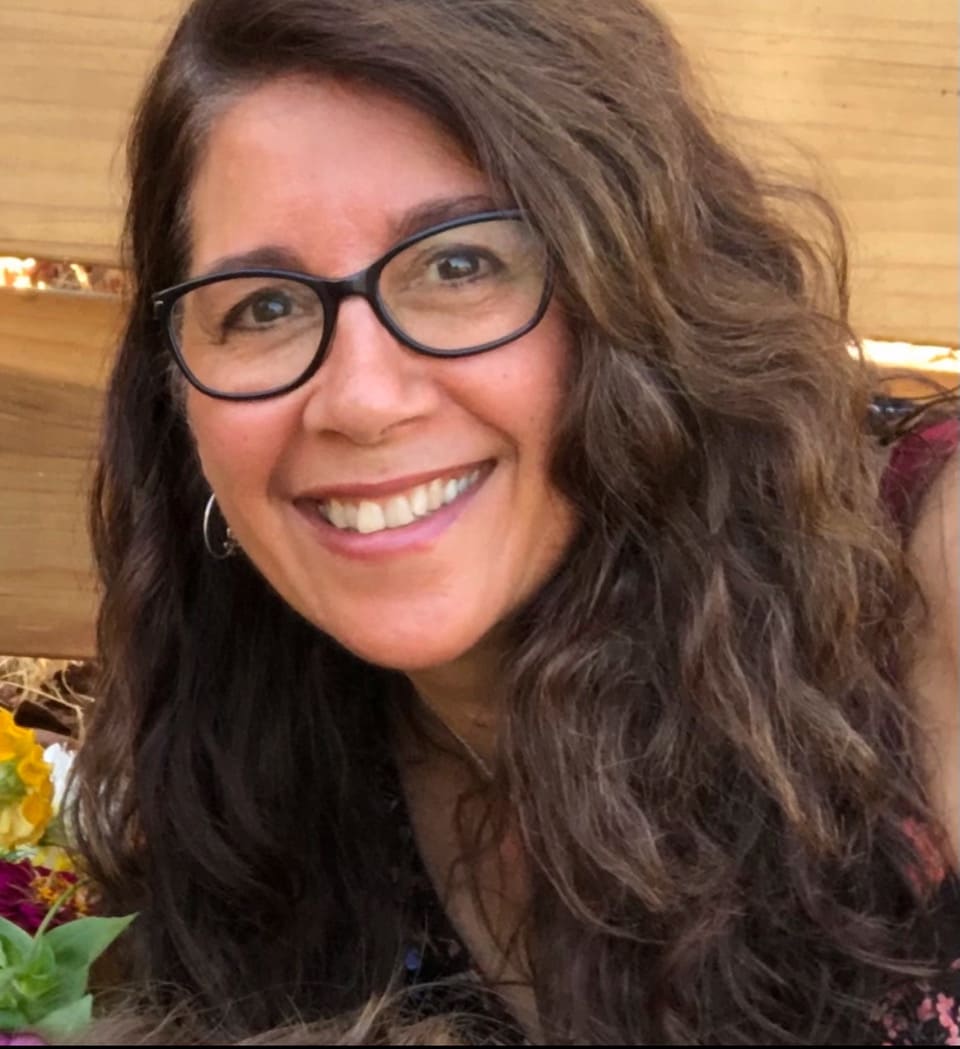
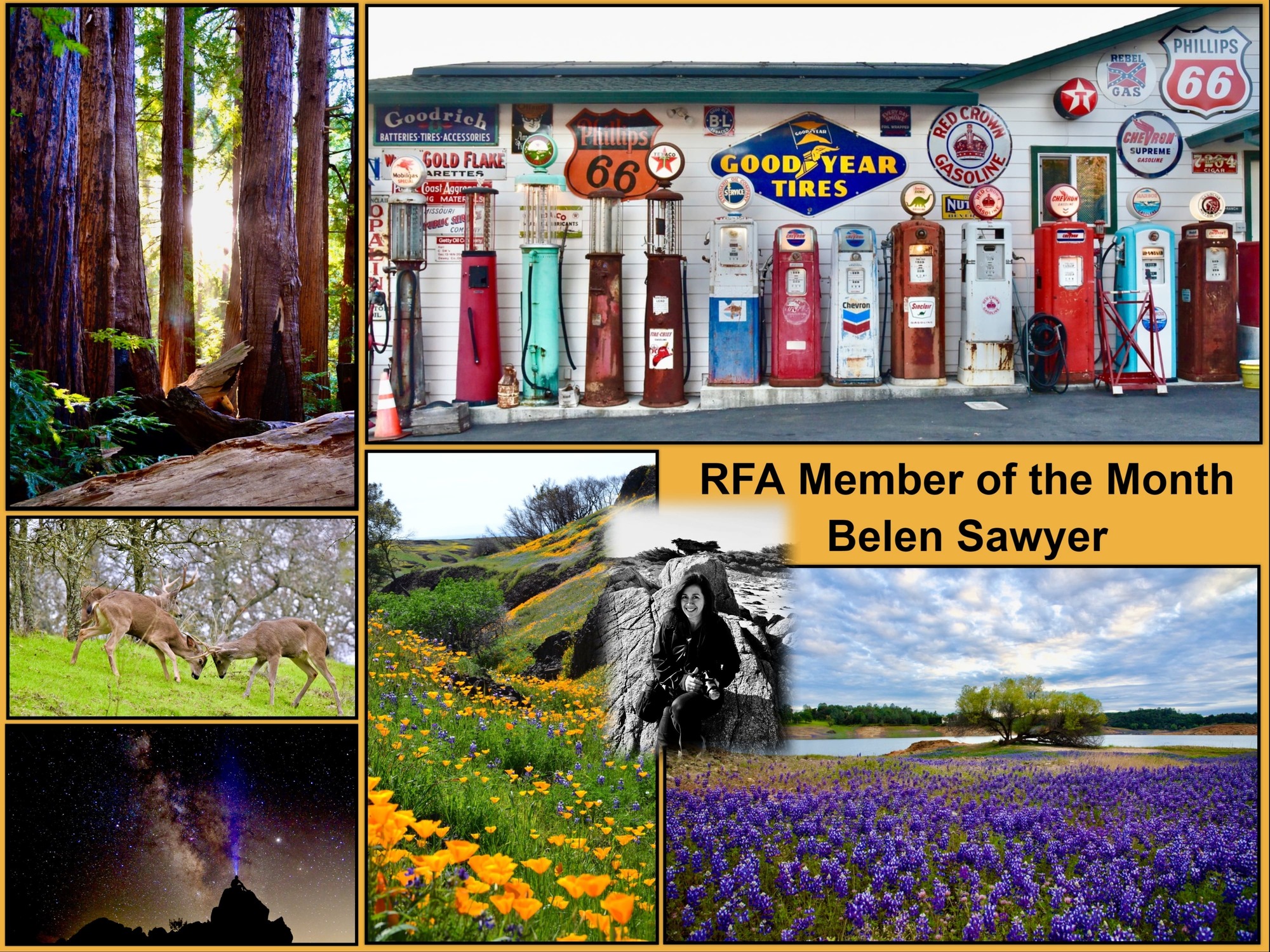
BELEN SAWYER
BELEN SAWYER
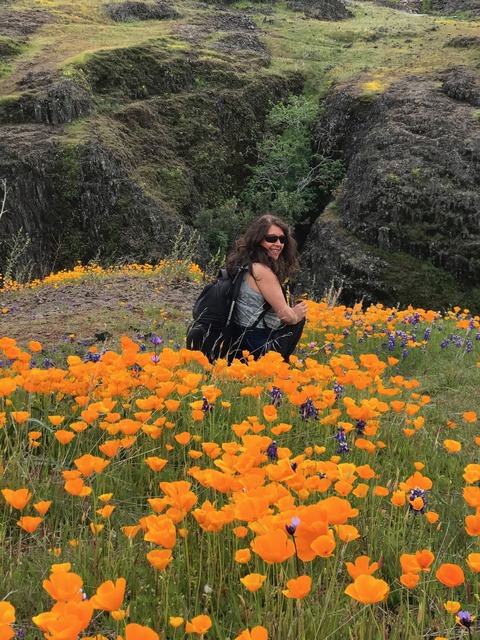
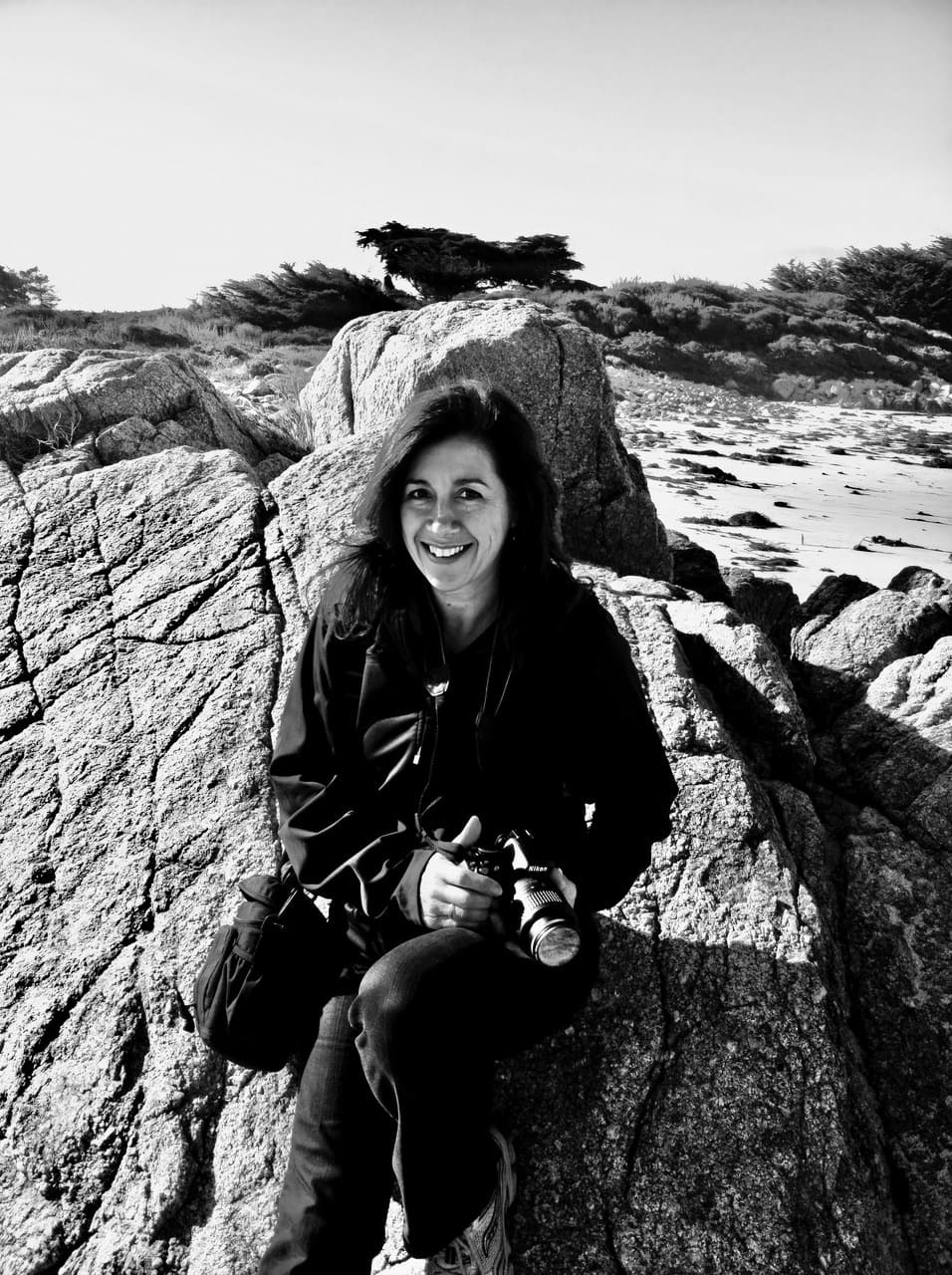
As long as I can remember, Ive been a photographer.
While Ive explored a variety of creative mediums --
including running a mural and decorative painting business for over a decade
photography has always been my true passion.
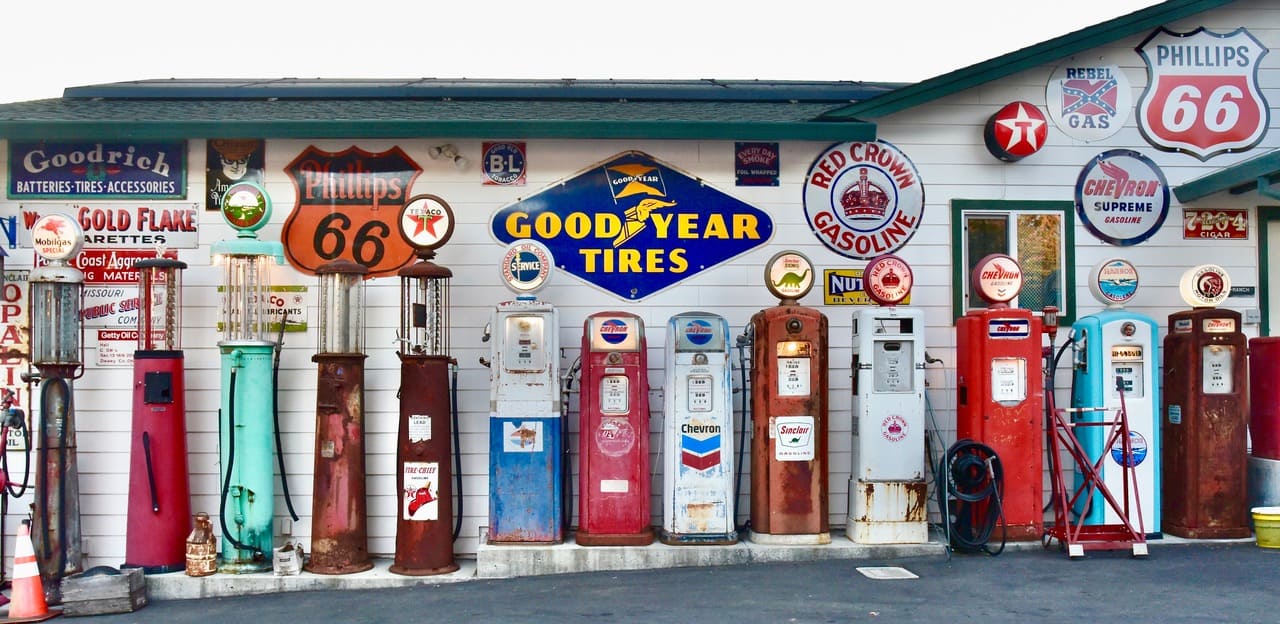
From the very beginning, I was drawn to photographys ability to capture a moment in time -- to preserve the memory of a person, an event, or a place.
I also admit, it was always a little fun sneaking candid shots of people.
 2.jpeg)
As a child, I loved looking through photographs and organizing them; they helped me feel connected to something larger than myself.
As I grew older, that fascination deepened.
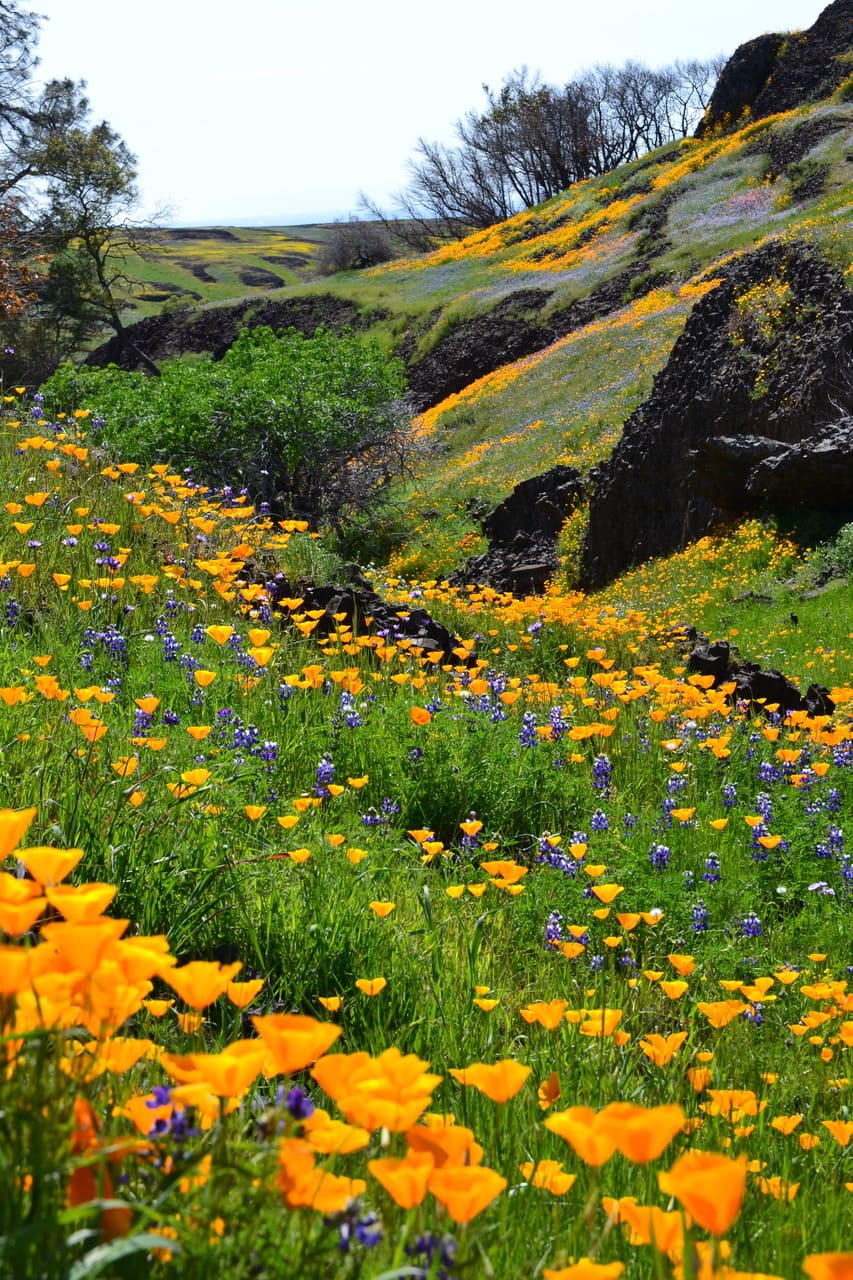
.jpeg)
I got my first SLR camera at 19 and taught myself how to use it.
From that point on, my camera became a constant companion -- a role it still holds today. .
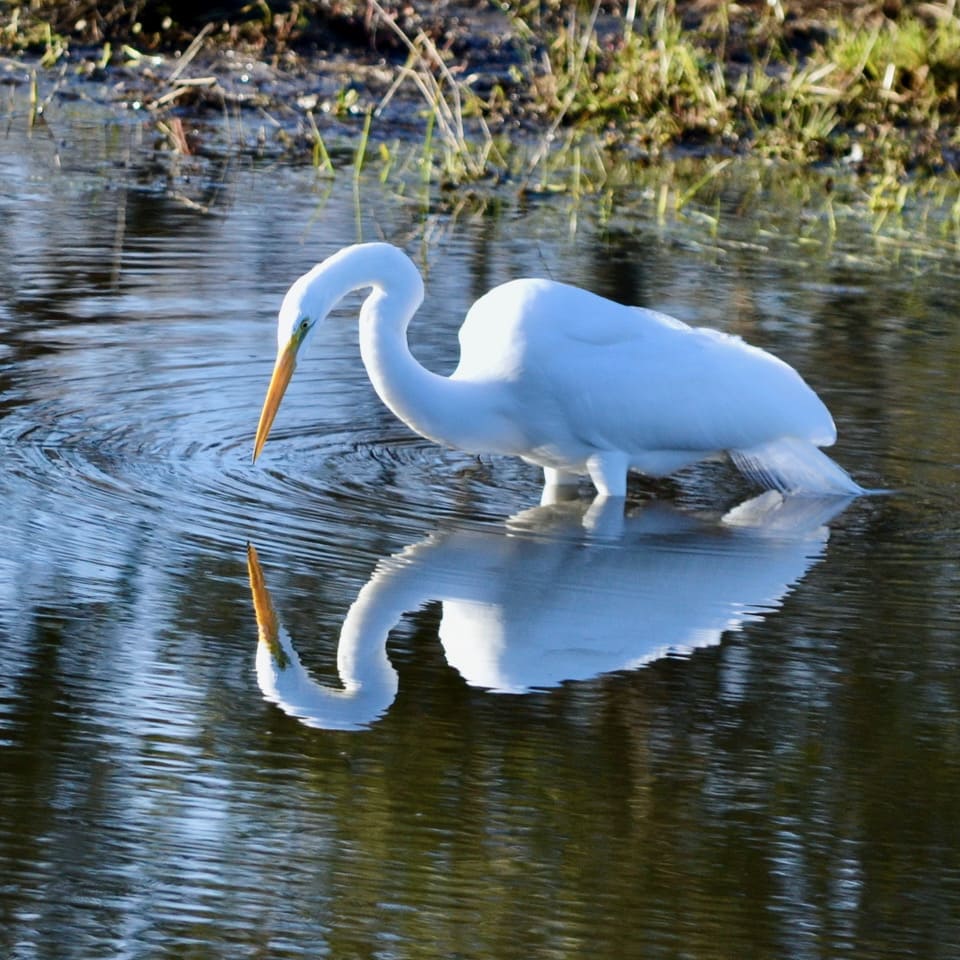
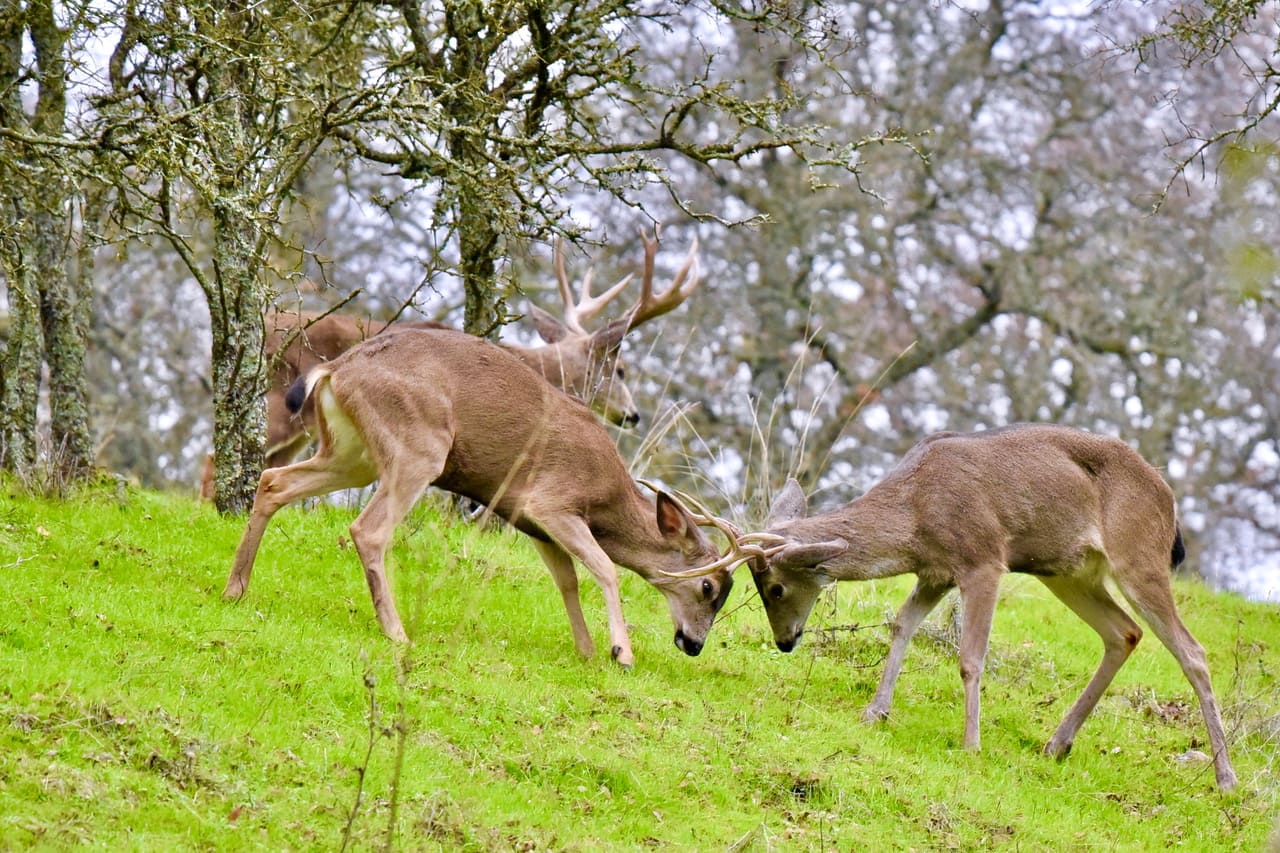
Hiking with my camera remains one of my favorite pastimes.
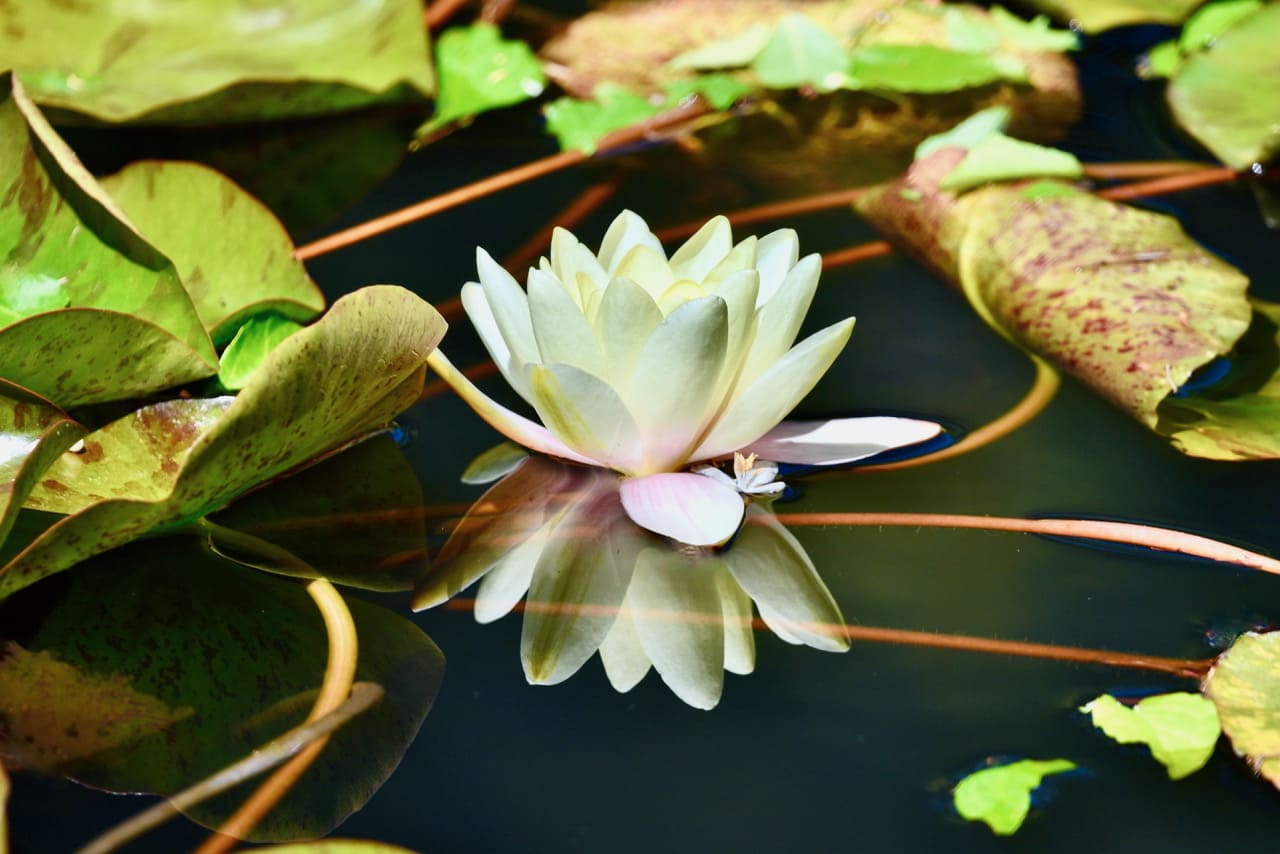
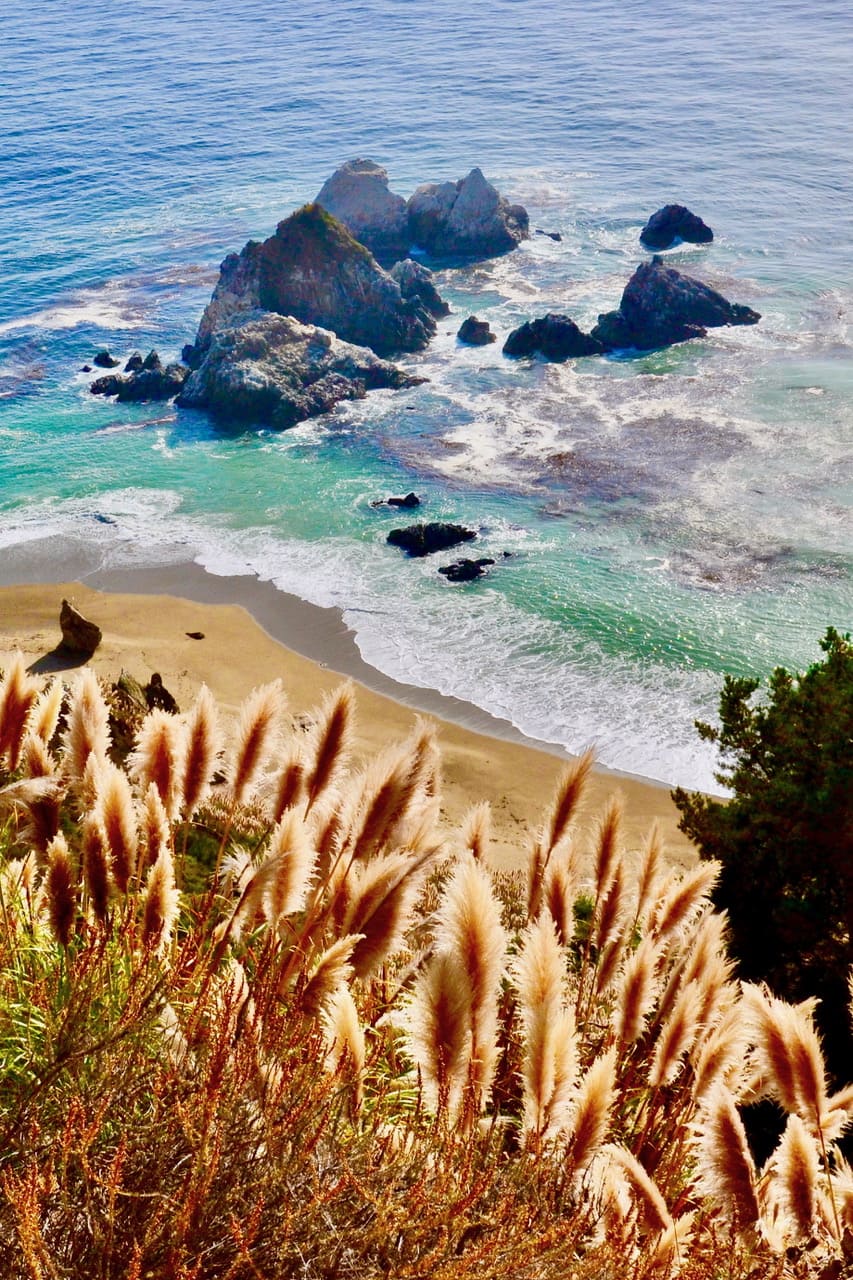
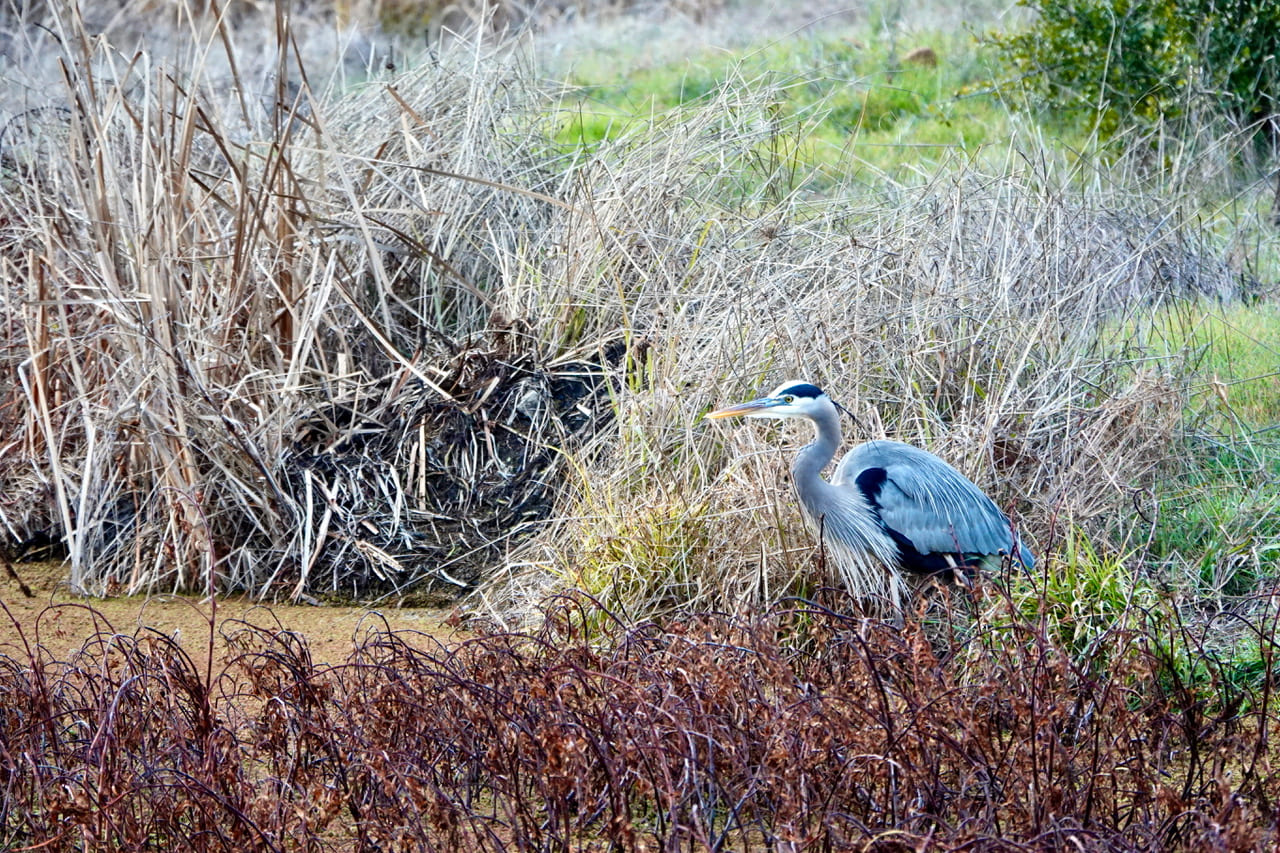
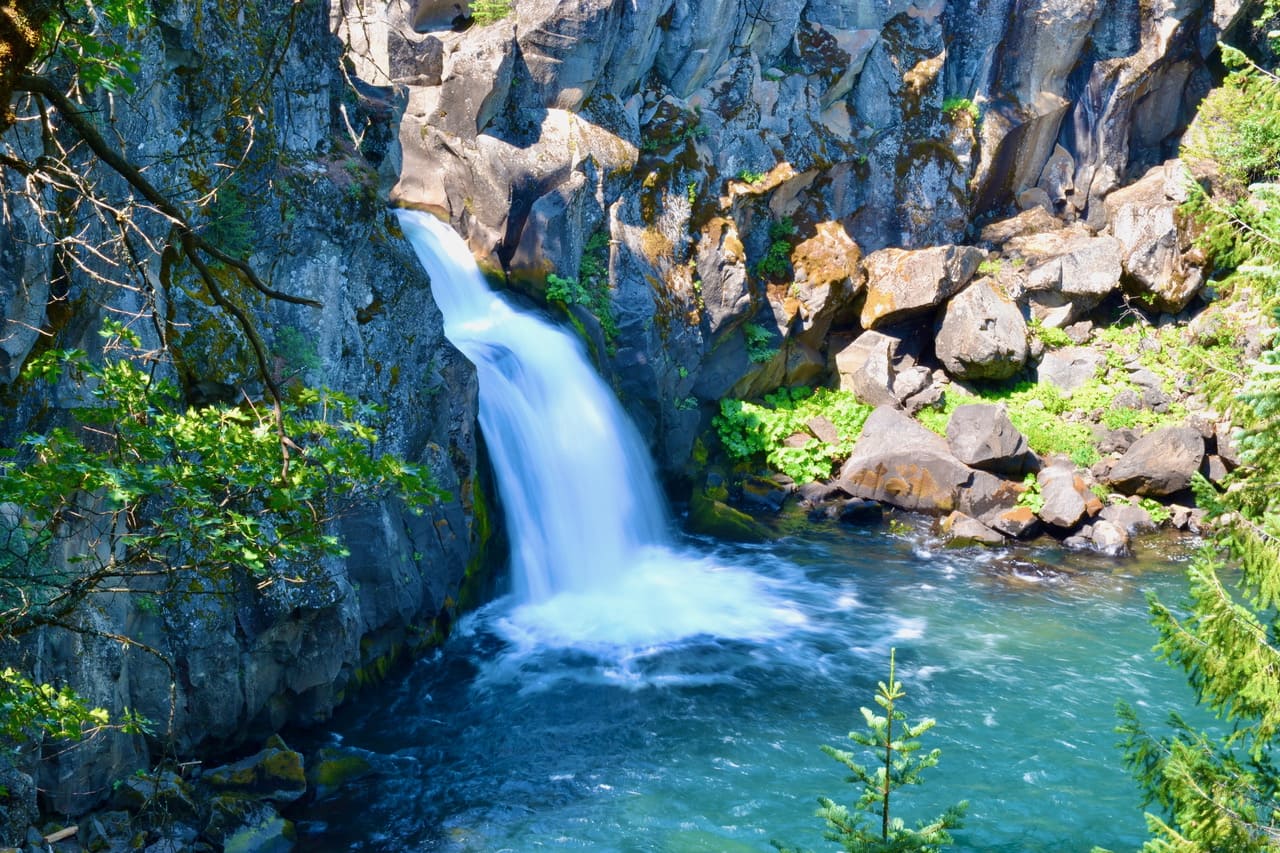
I consider myself a nature photographer at heart. .
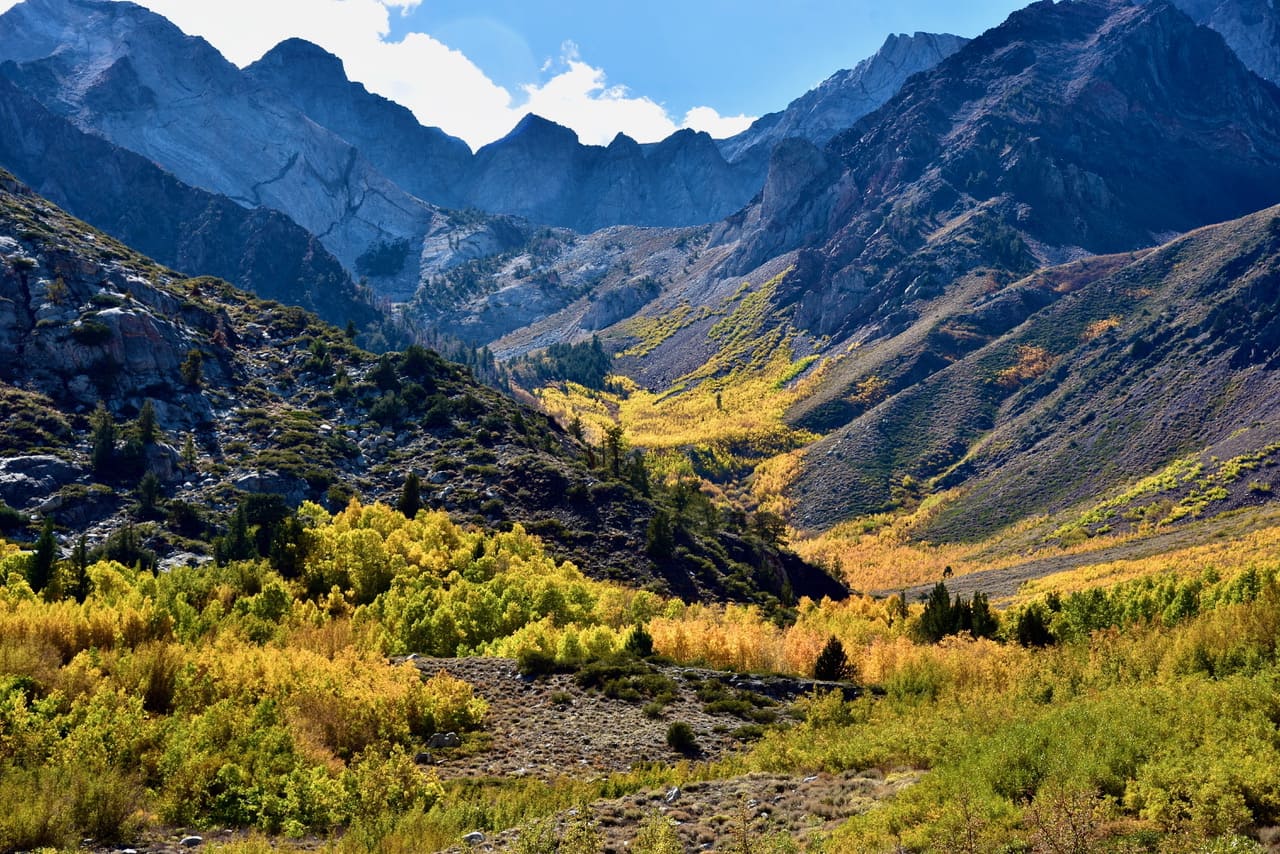
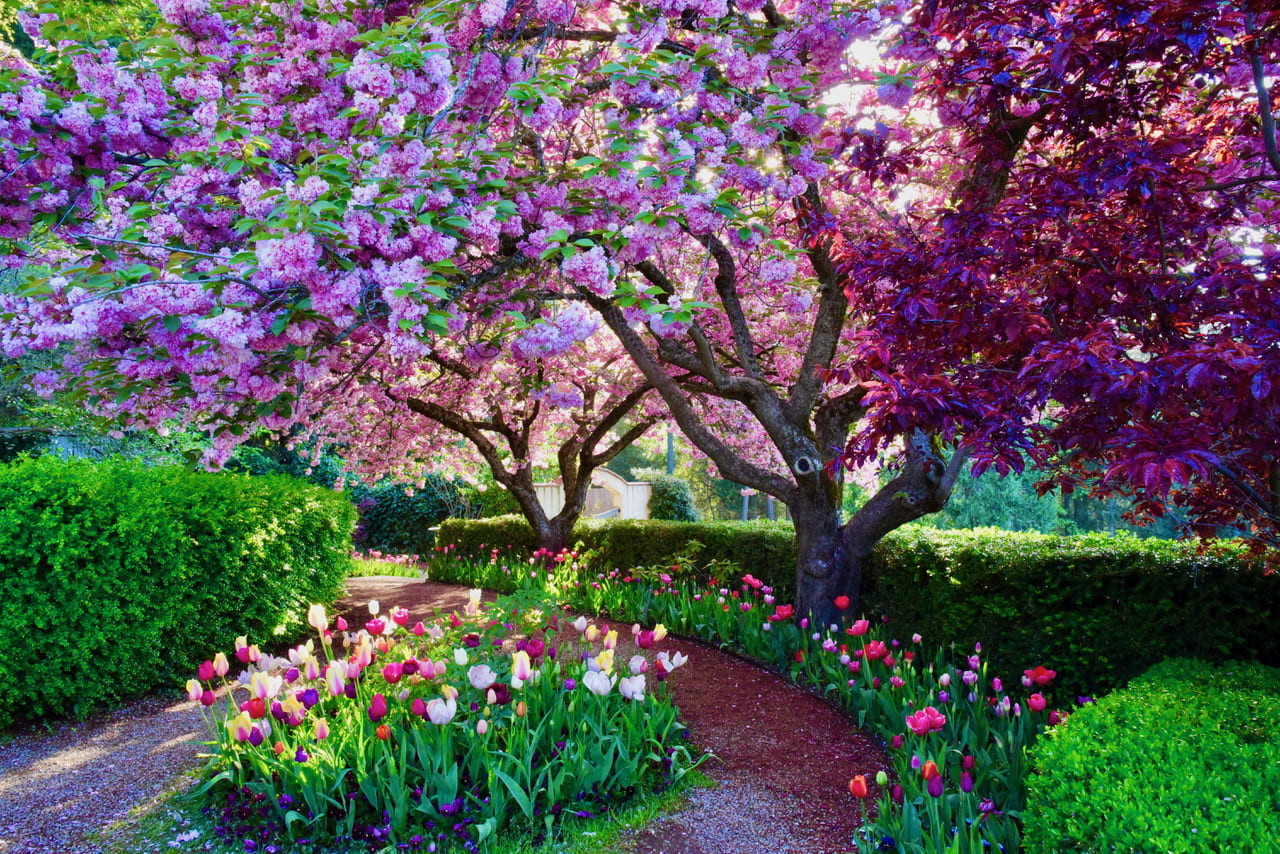
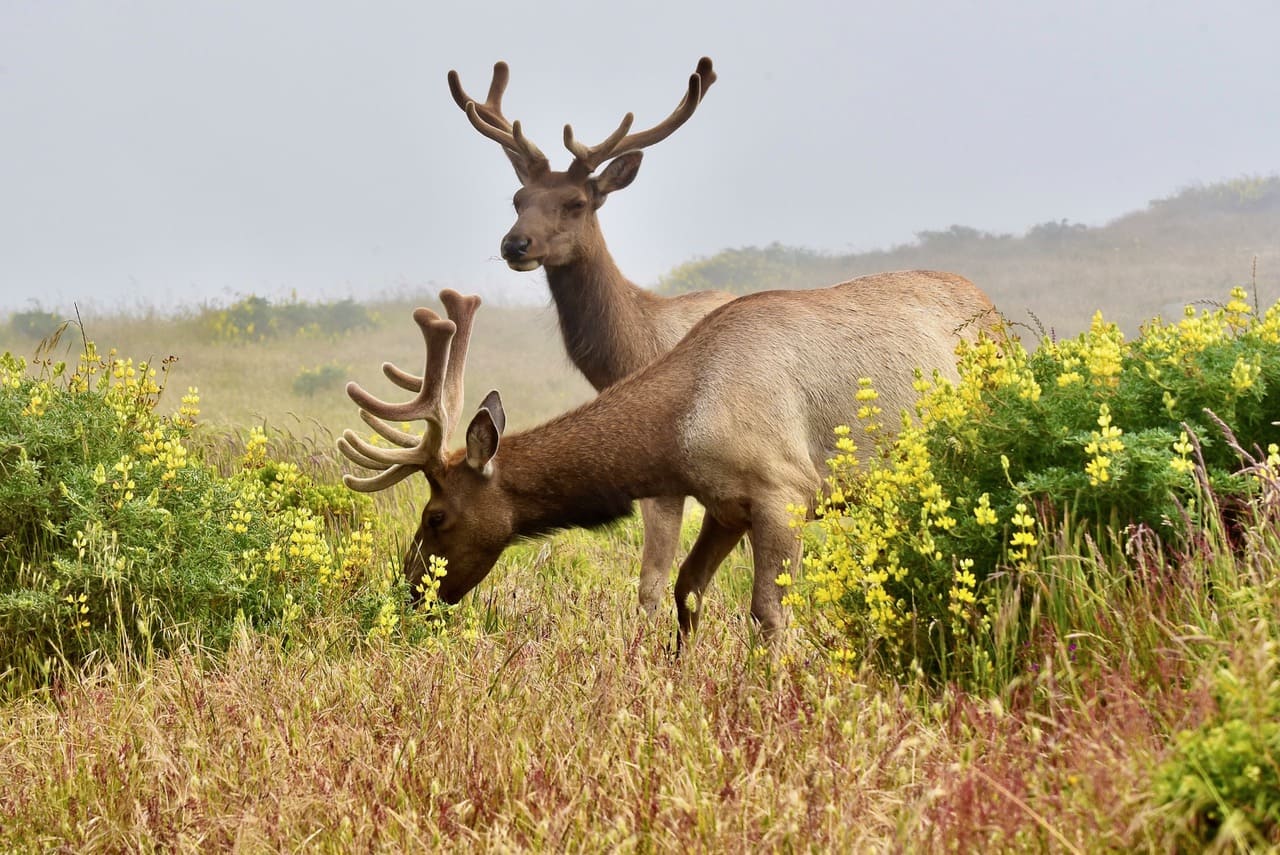
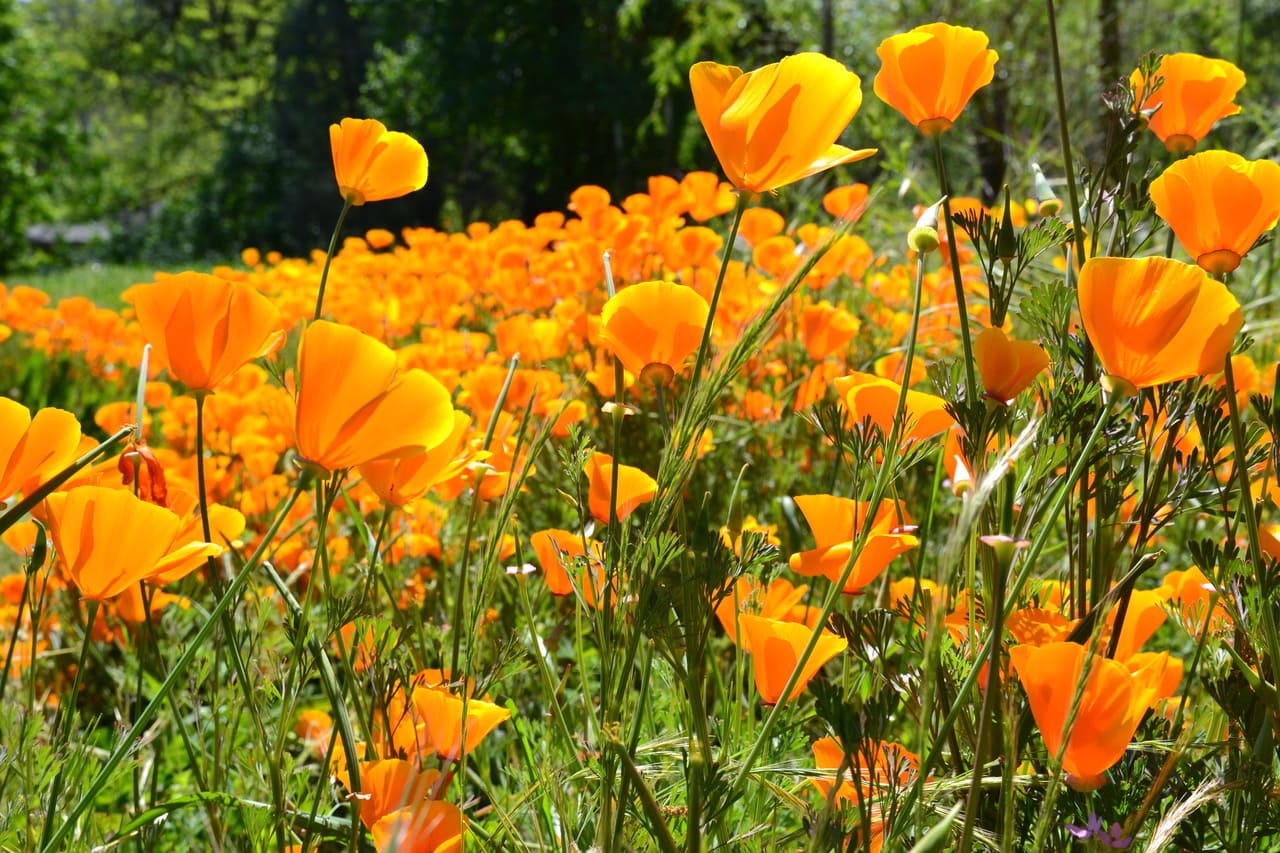
Landscapes, wildlife, coastal scenes, and flowers -- all are part of the natural world that inspires me.
Over time, photography has brought me closer to nature, and in turn, my appreciation for nature has grown even deeper through my lens. .
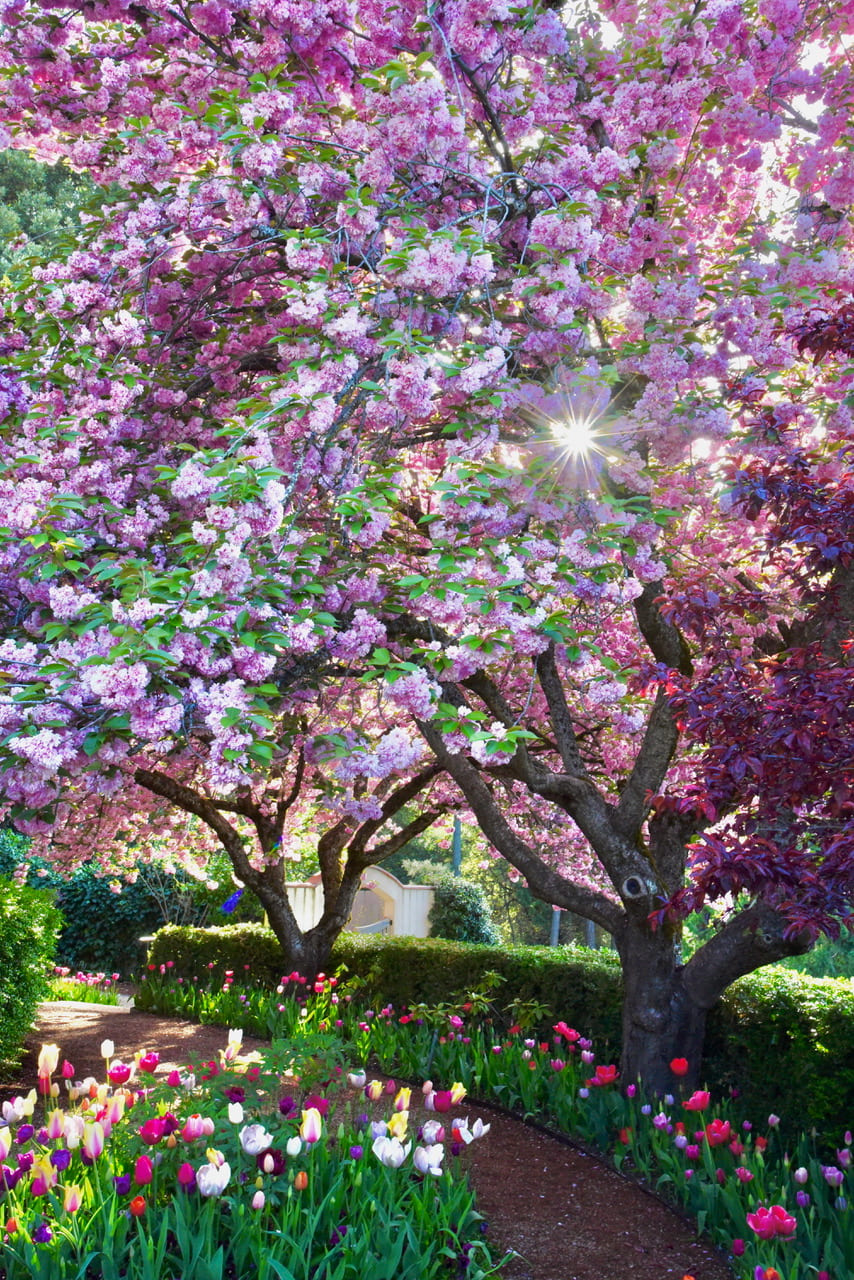
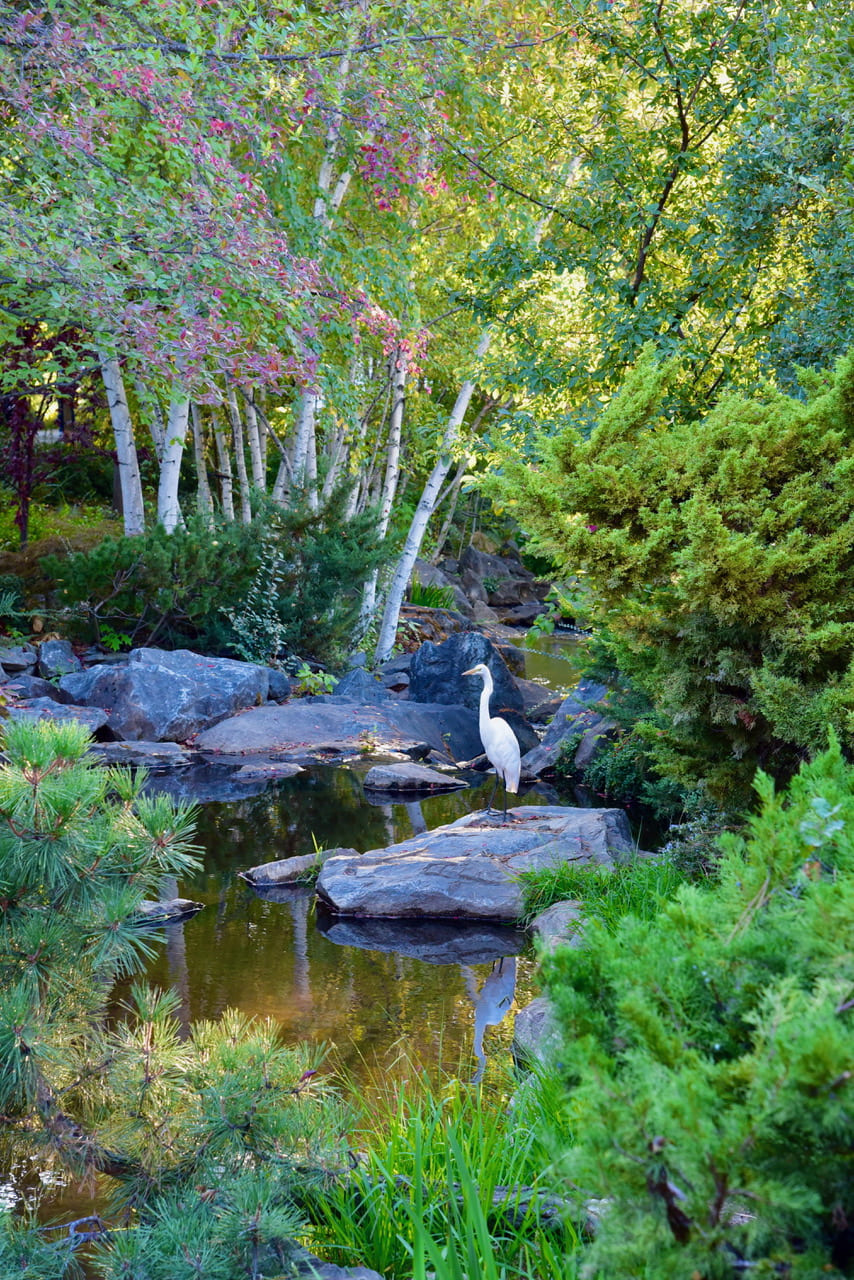
I believe nature is Gods art, filled with a sense of hope that I strive to capture.
These fleeting moments in the natural world evoke wonder, respect, and a desire to preserve and protect it. .
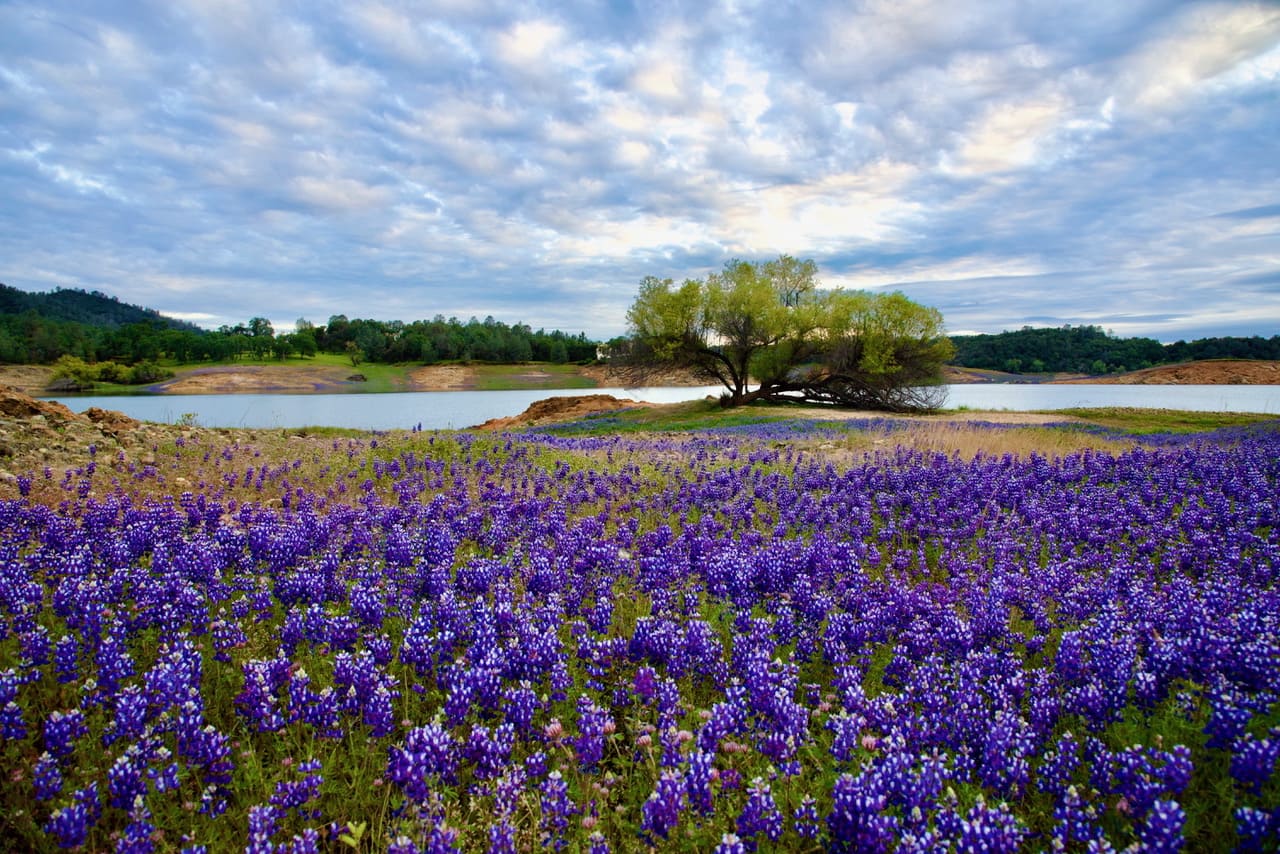
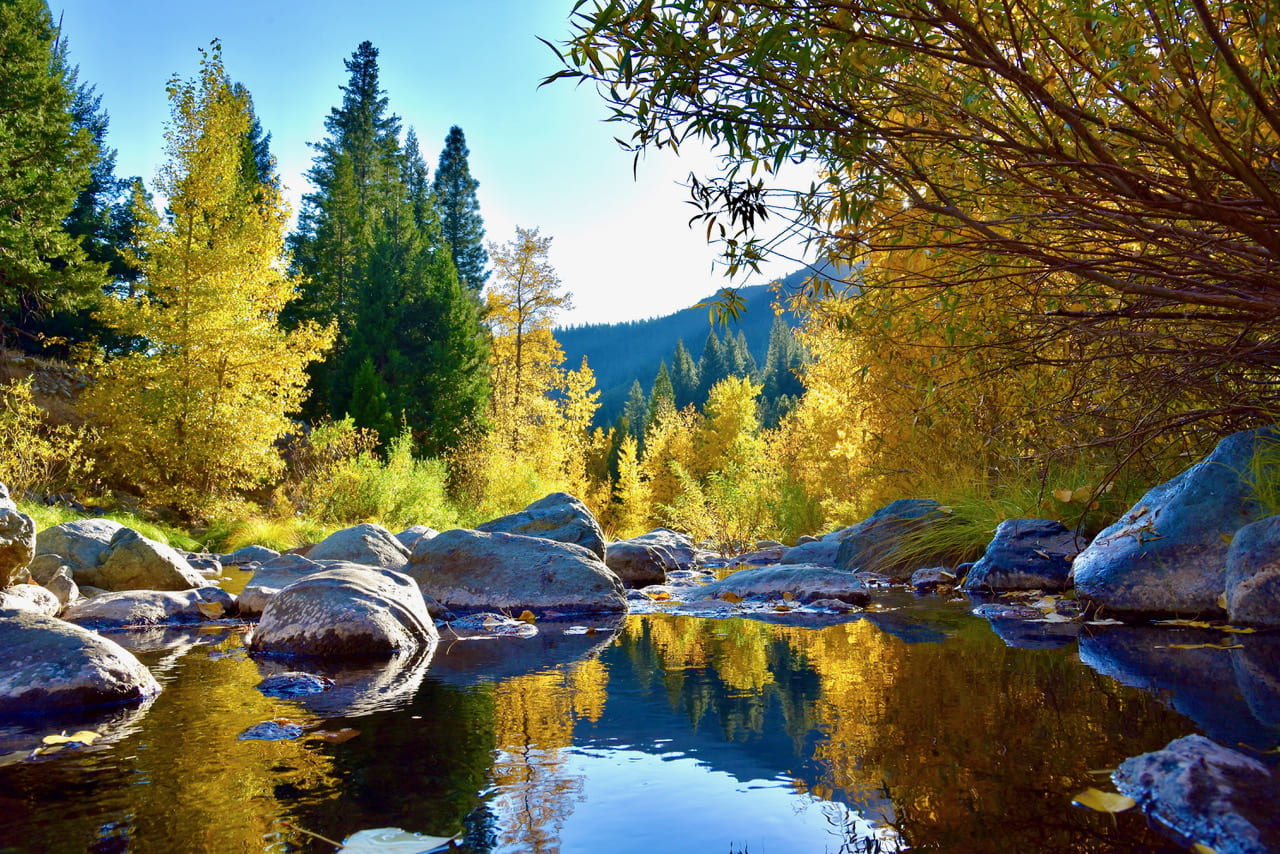
My hope is that my images inspire others in the same way.
I began exhibiting my work several years ago at an RFA show, where I received both a First Place and a Jurors Award. .
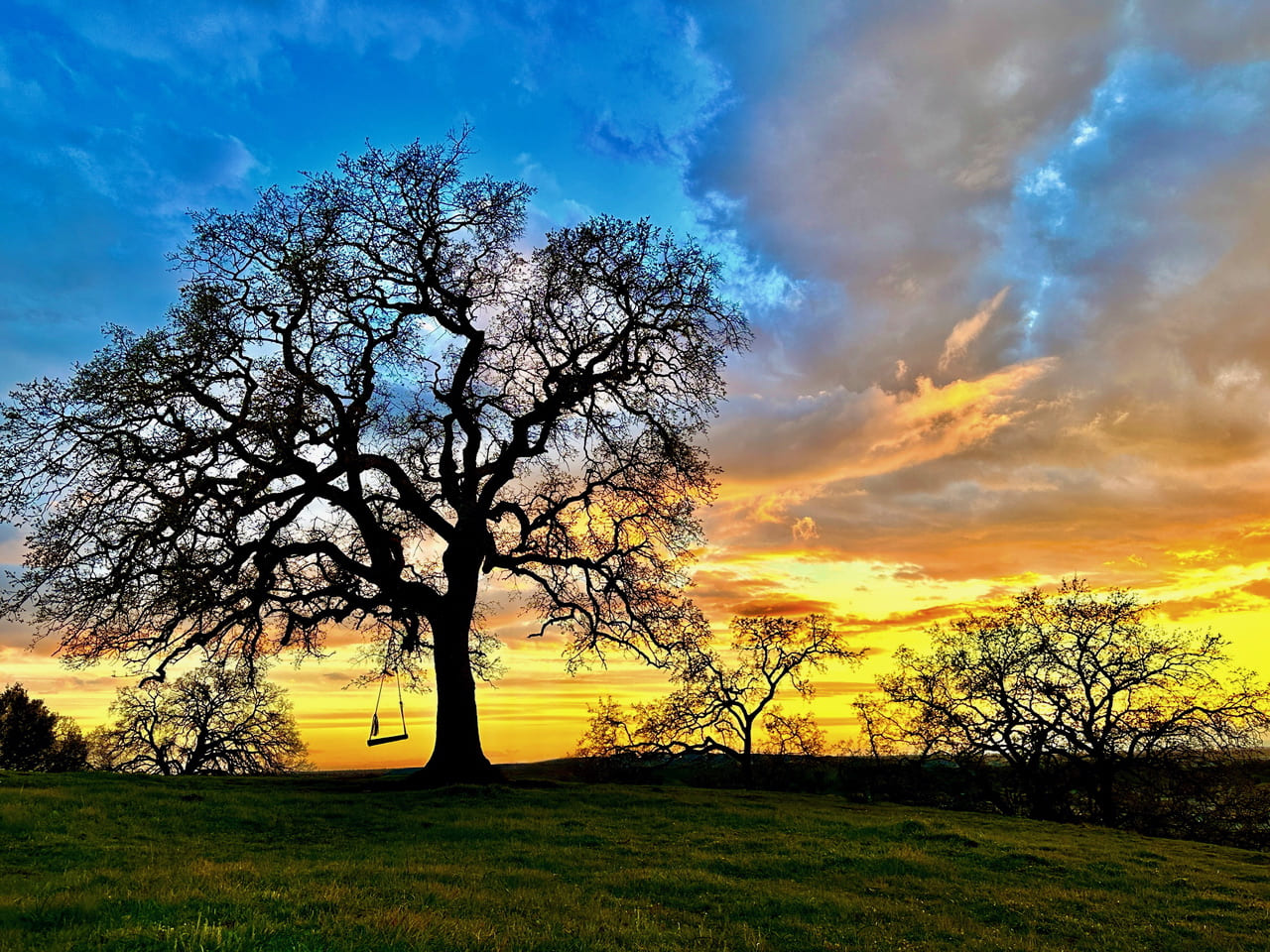
That recognition was incredibly encouraging.
Since then, Ive participated in numerous shows and galleries, earning additional awards along the way. .
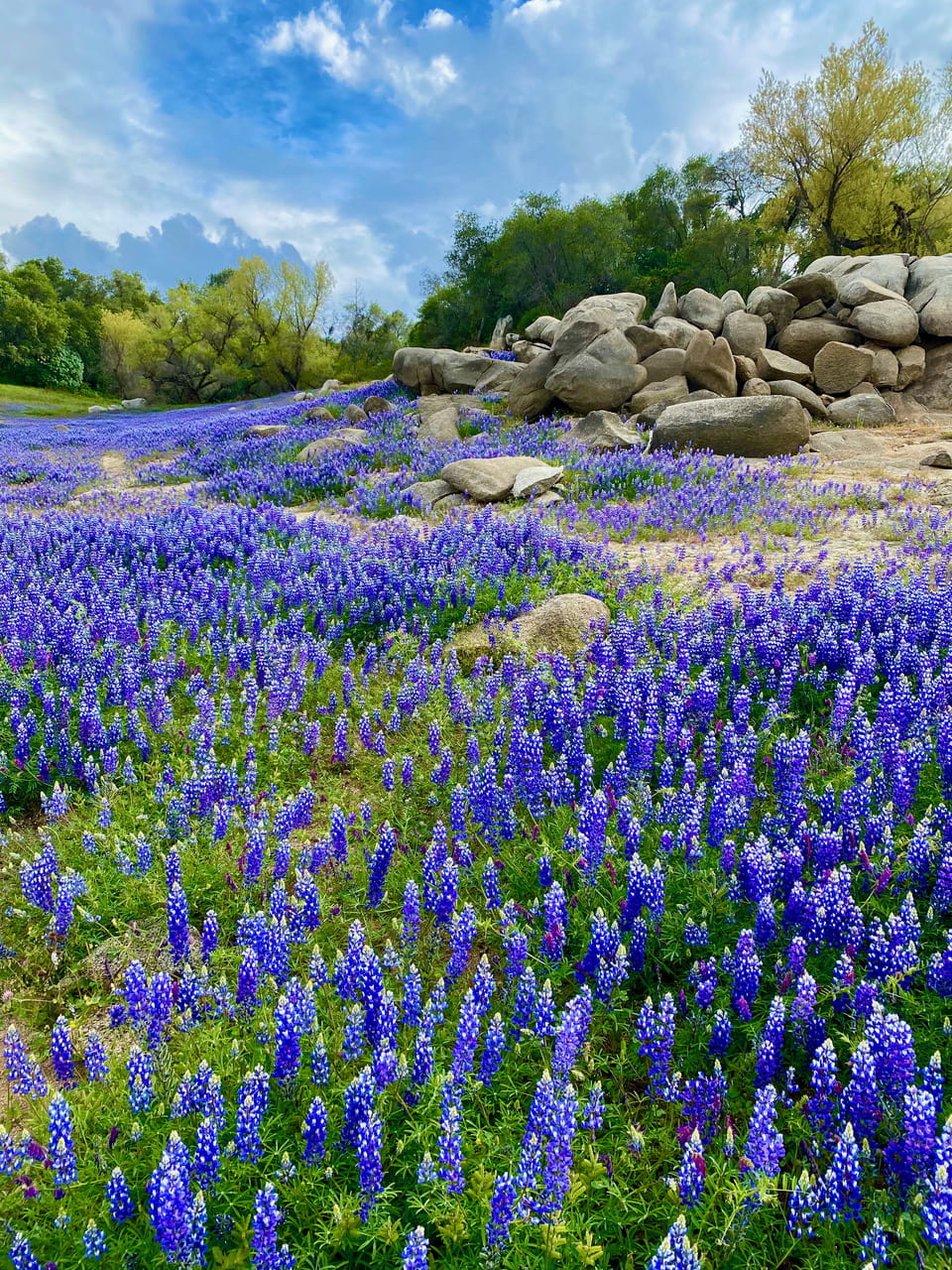
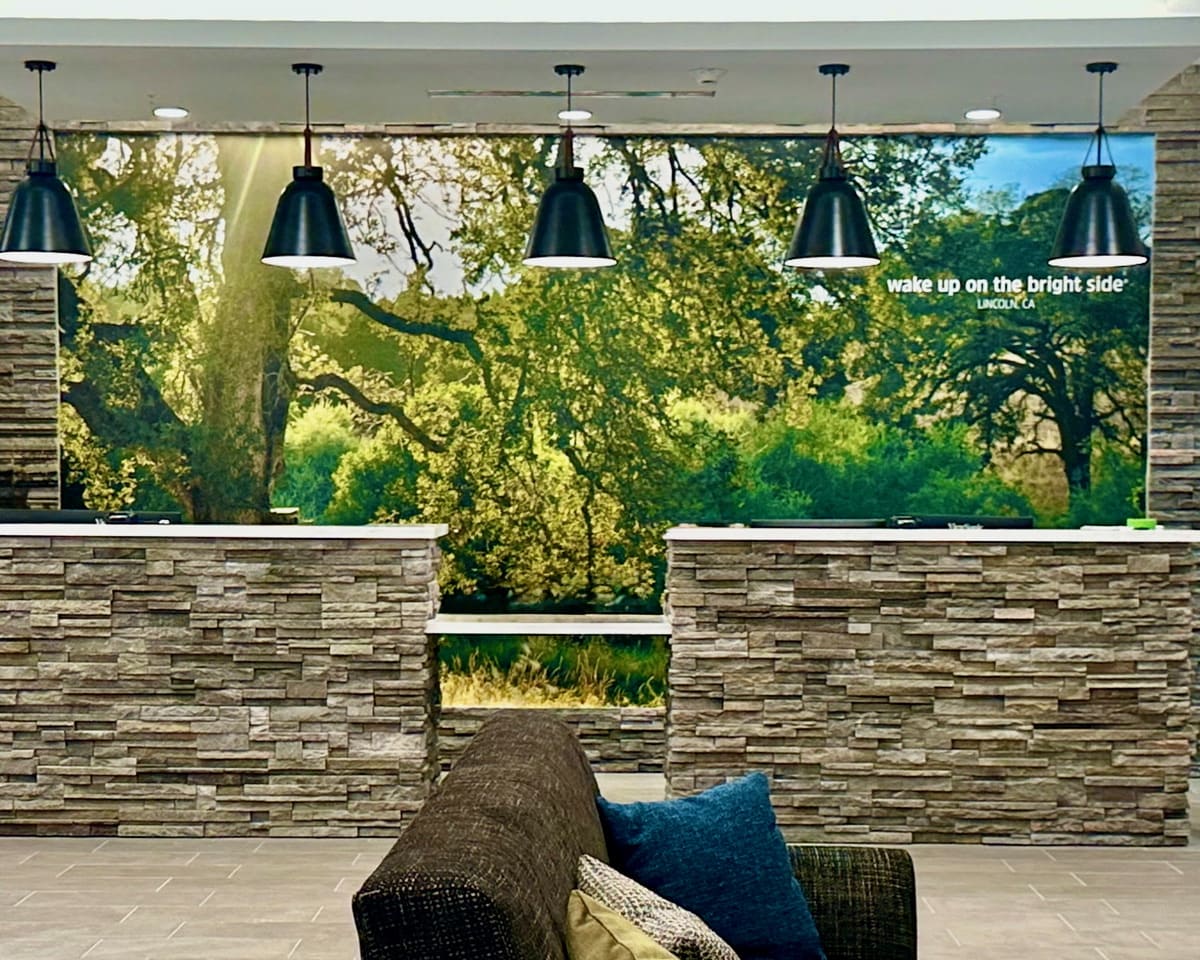
My work has been accepted into the California State Fair, and Ive been honored to have my photography displayed in homes, cafes, businesses, and medical clinics.
Ive also participated in the Placer Artists Tour, where I connected with a local hotel owner who commissioned artwork featuring our beautiful region. .
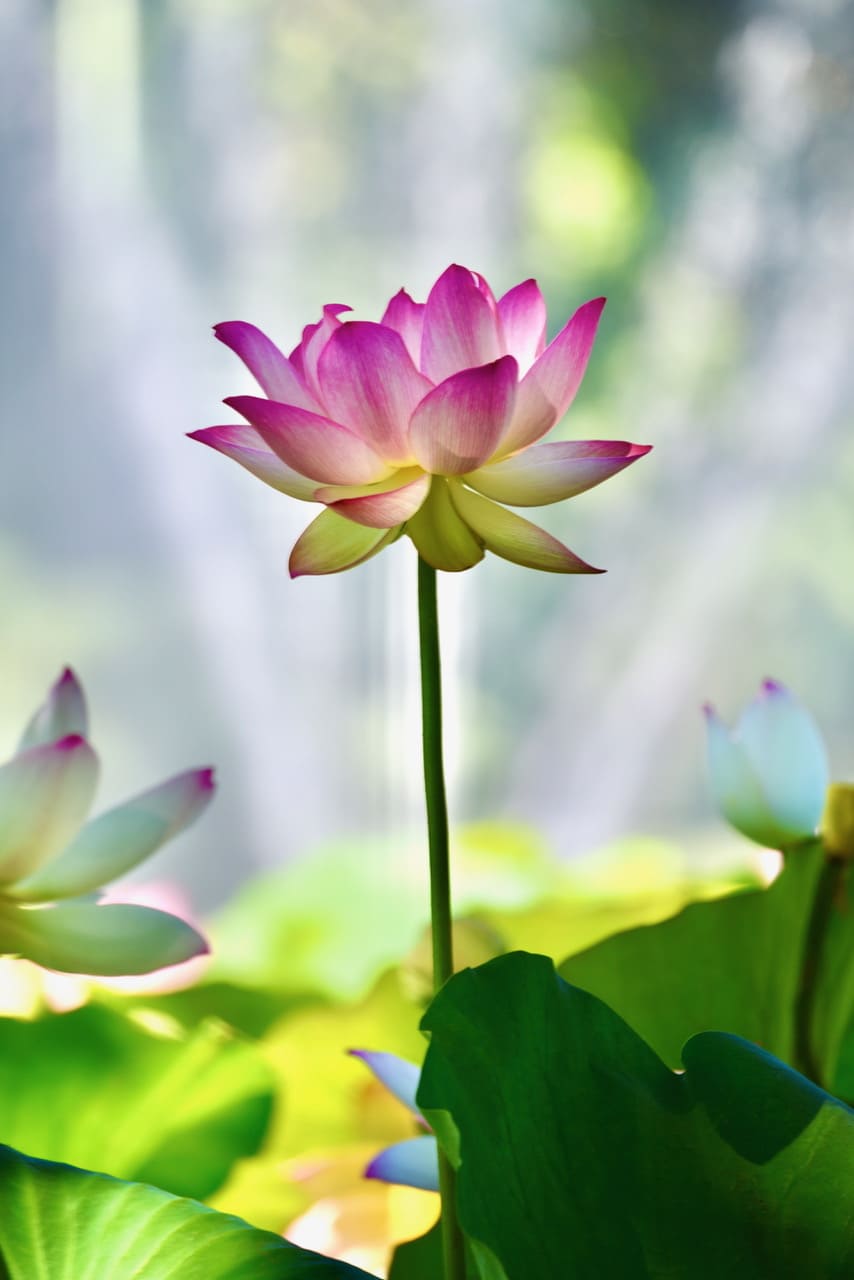
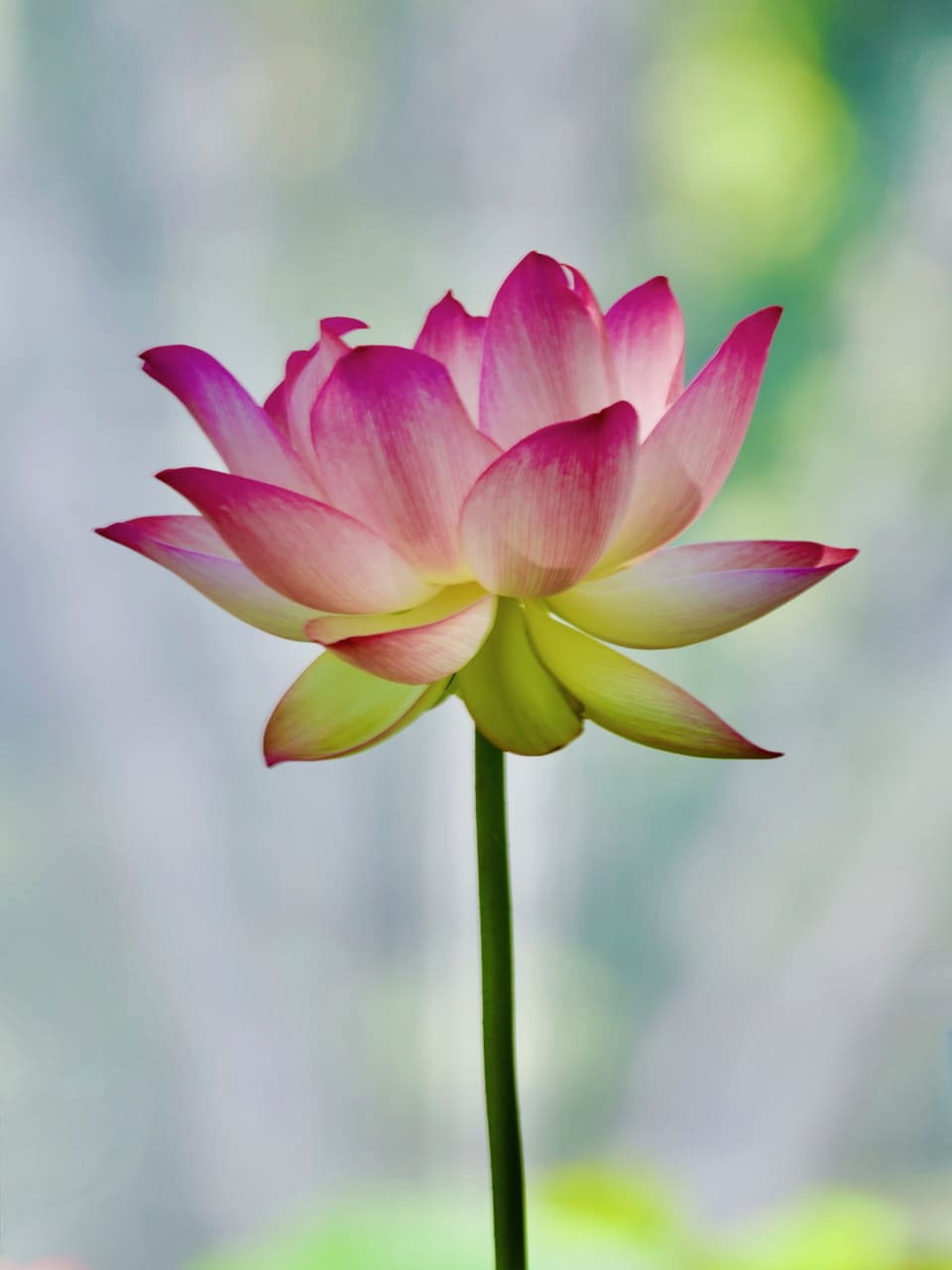
Most recently, I was honored to provide nearly all the artwork for the new La Quinta Inn & Suites in Lincoln.
Currently, my work is on display at Persimmon Gallery in Auburn and featured in other local exhibitions. .
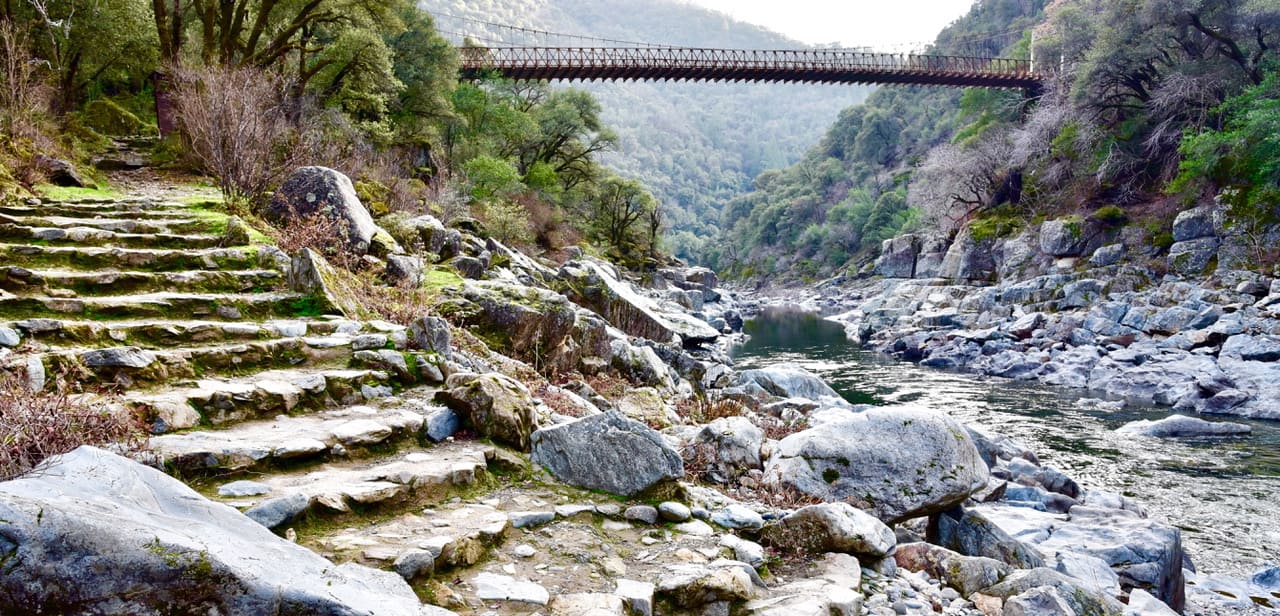
My photography is also available online at: belensawyer.pixels.com
For new pieces not yet listed or for special inquiries, I can be contacted directly at: BelenSawyerPhotograph@yahoo.com.

Meet our July 2026 Member of the Month
SHANNON GRISSOM
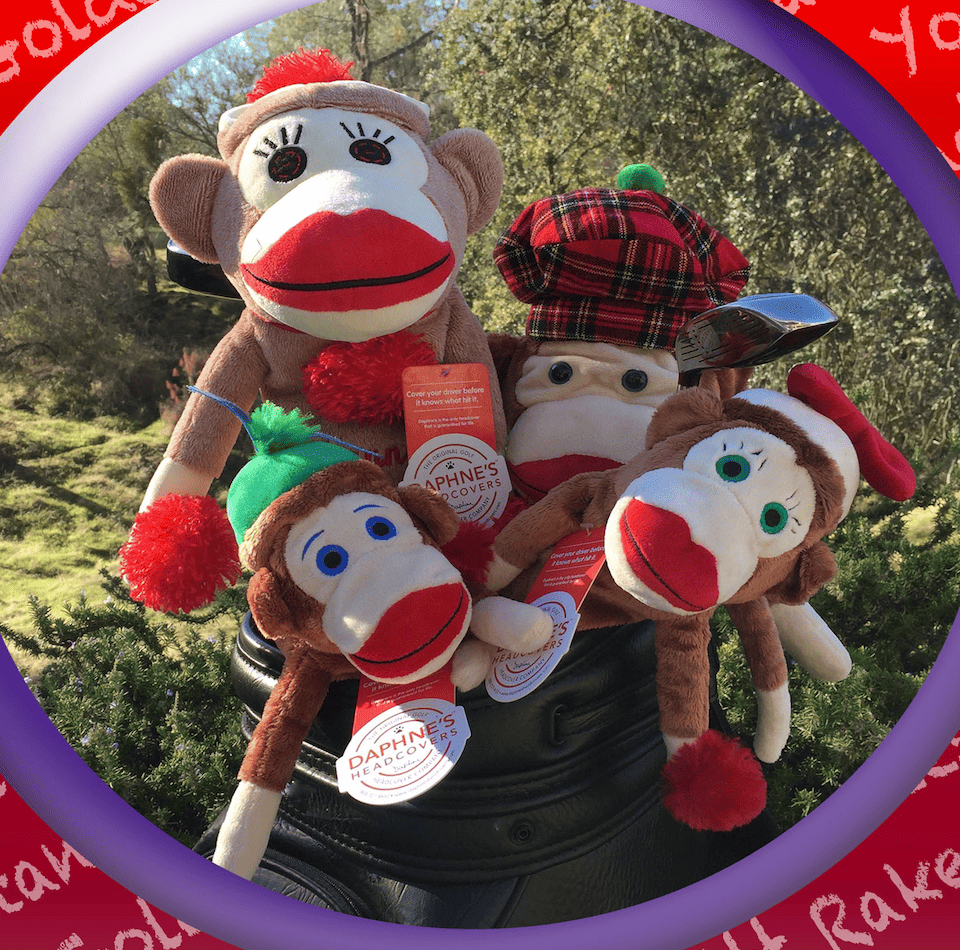
I have been called the Sock Monkey Lady. That could be because I had a line of Sock Monkey golf club headcovers carried on tour by six LPGA pros. But that is only one color in my crayon box, and I like to create with them all.
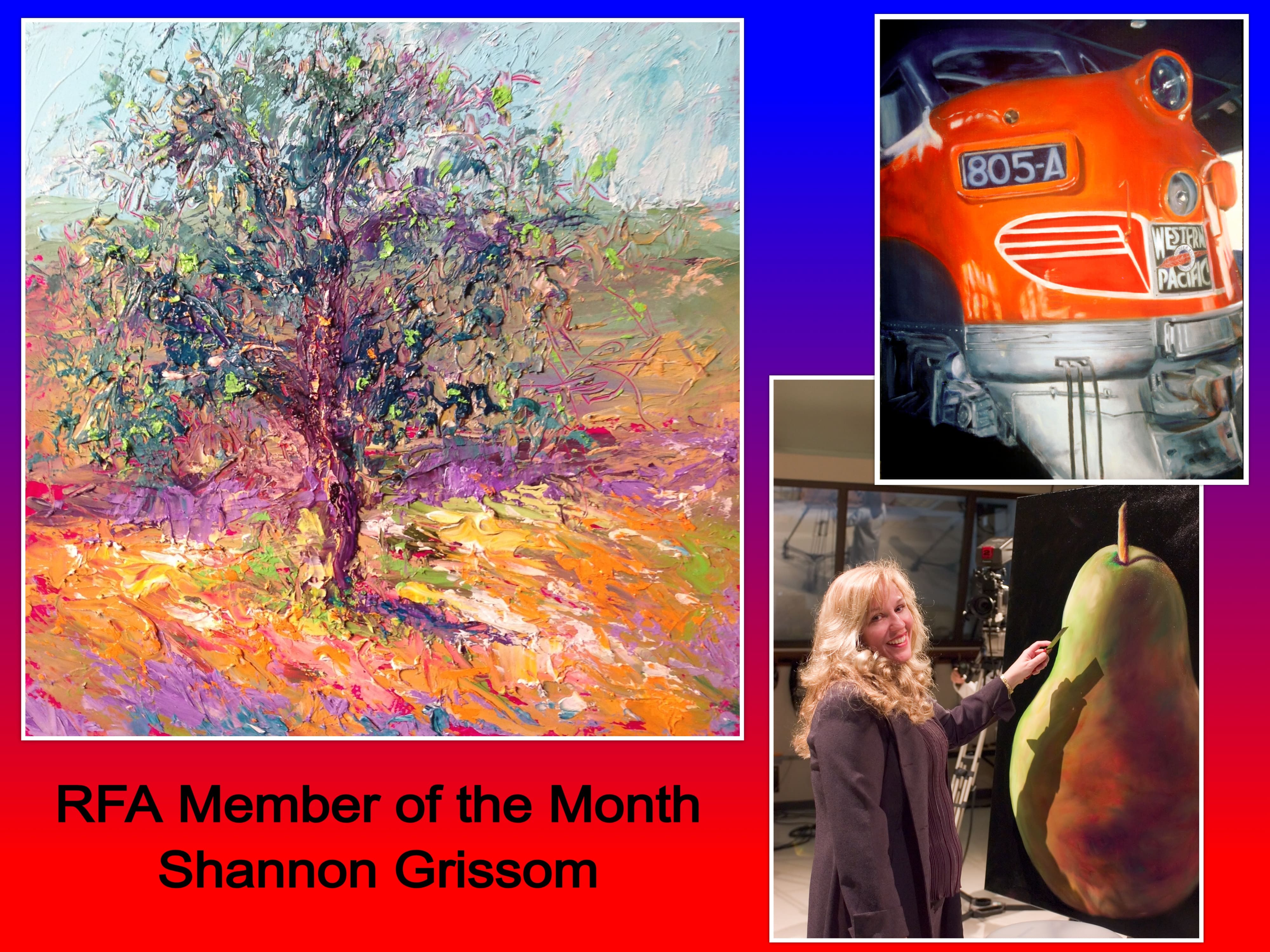
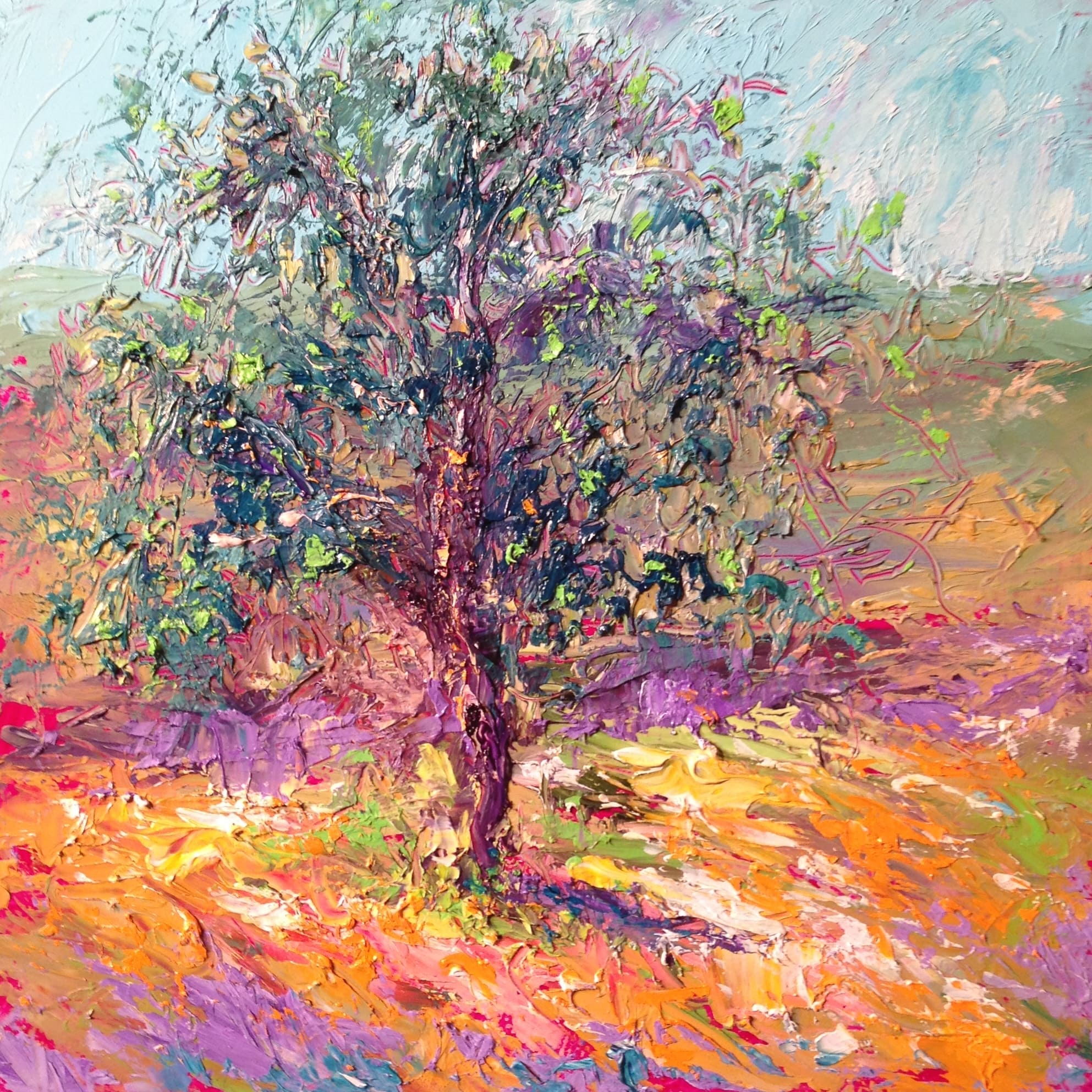
I better start at the beginning. I grew up in a musical household, and I spent my youth participating in all manner of musical activities.
I did not discover painting until I was 33. I took a tole painting class and painted an apple. I remember thinking that someday I would paint an entire scene! Anyway, after that class, I was hooked! I got up every day and painted a few hours before work. This demanding schedule was worth the effort. By 1999, I left my day job and launched my full-time art business. And thus began my Forest Gump-like ride…
At 44, I began producing the television series - Give Your Walls Some Soul - as a fun way to expand my teaching (My teaching style is Bob Ross meets Emeril.) My instructional painting show grew from an audience of one station to over 50 stations across the country and over 10 million households and won numerous awards.
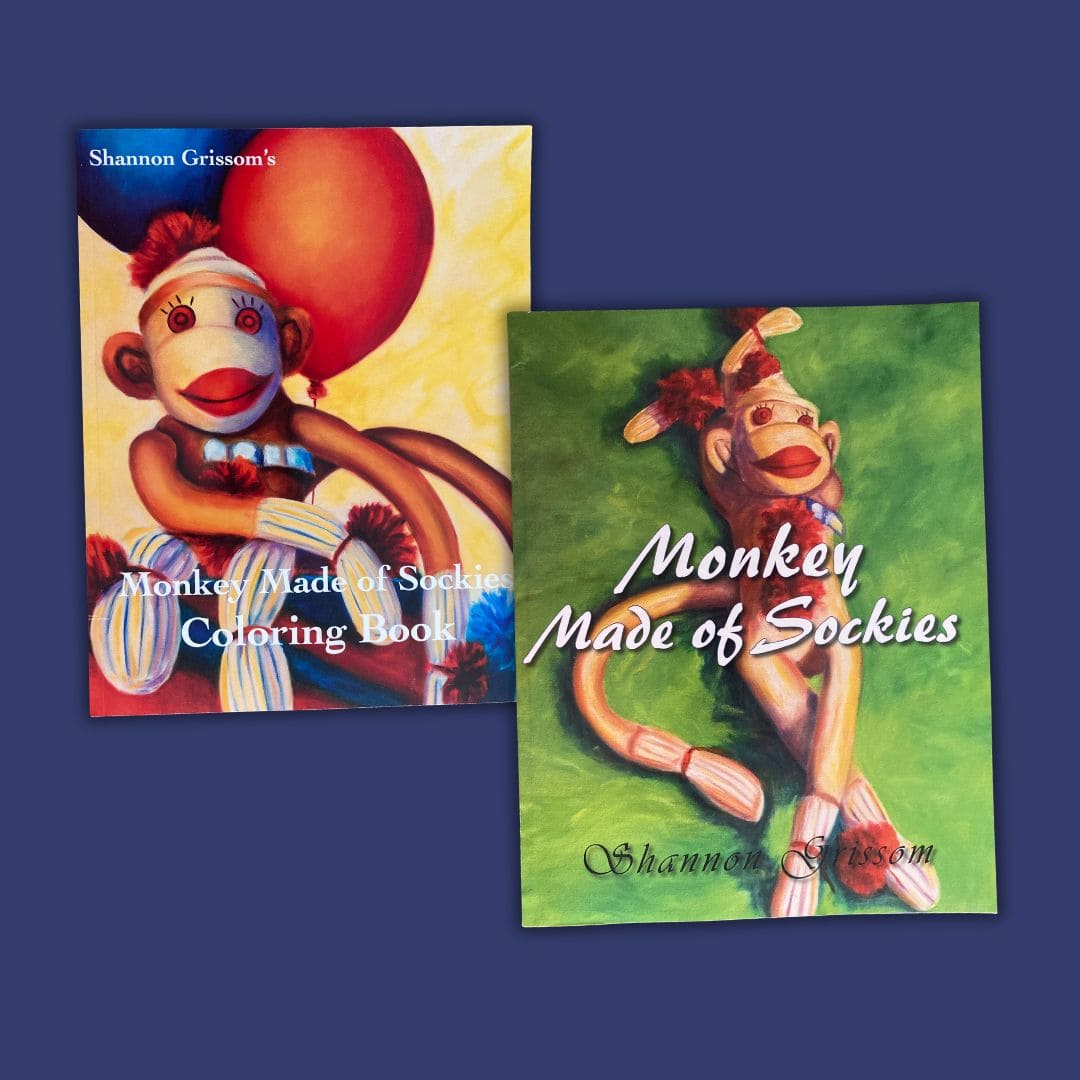
At 46, I wrote, illustrated, and self-published my first childrens book,Monkey Made of Sockies. From that book grew a line of licensed merchandise. The popular Monkey Made of Sockies - golf club headcovers - became a global bestseller and LPGA players even carried them on tour.
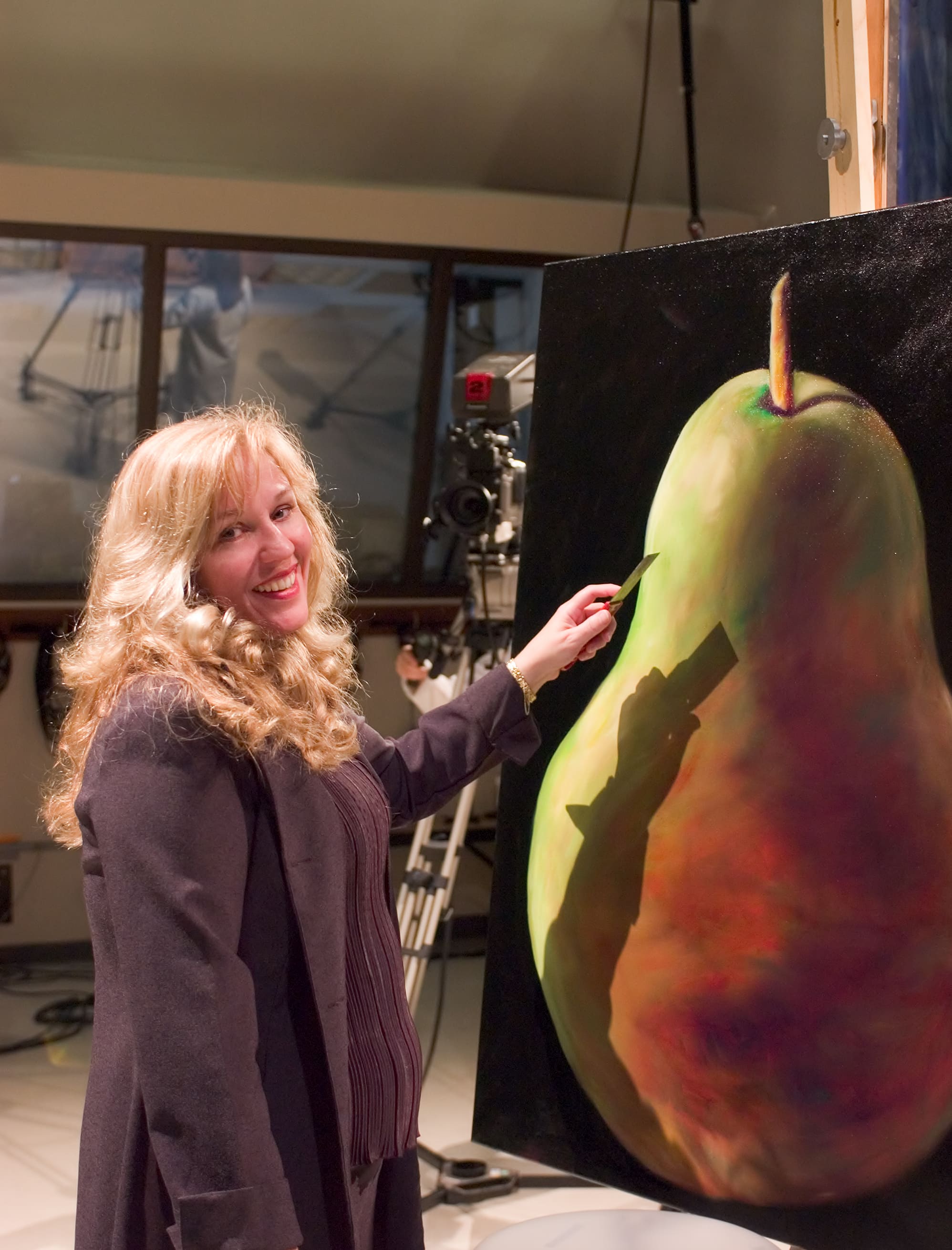
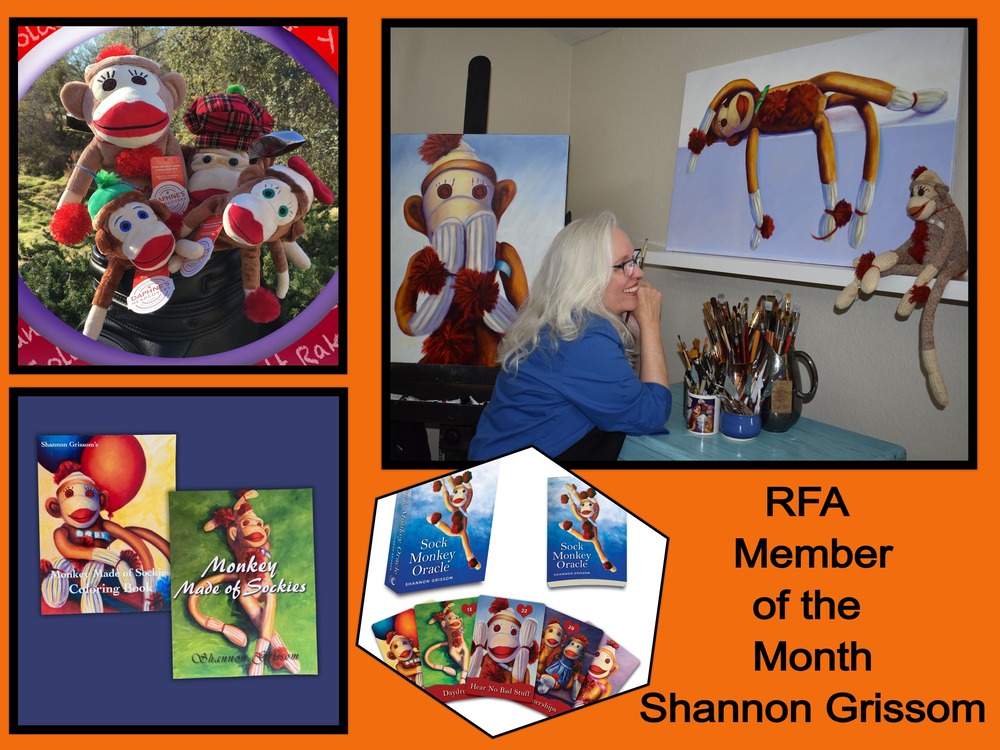
At 50, I needed music to accompany my video work, so I began songwriting. At that point, I had come full circle.
Today, I am an award-winning artist, television producer/host, songwriter, and author. My artwork is licensed and sold globally. My most recent creation, The Sock Monkey Oracle, by Beyond Words Publishing, combines my sock monkey artwork with my painting and metaphysics.
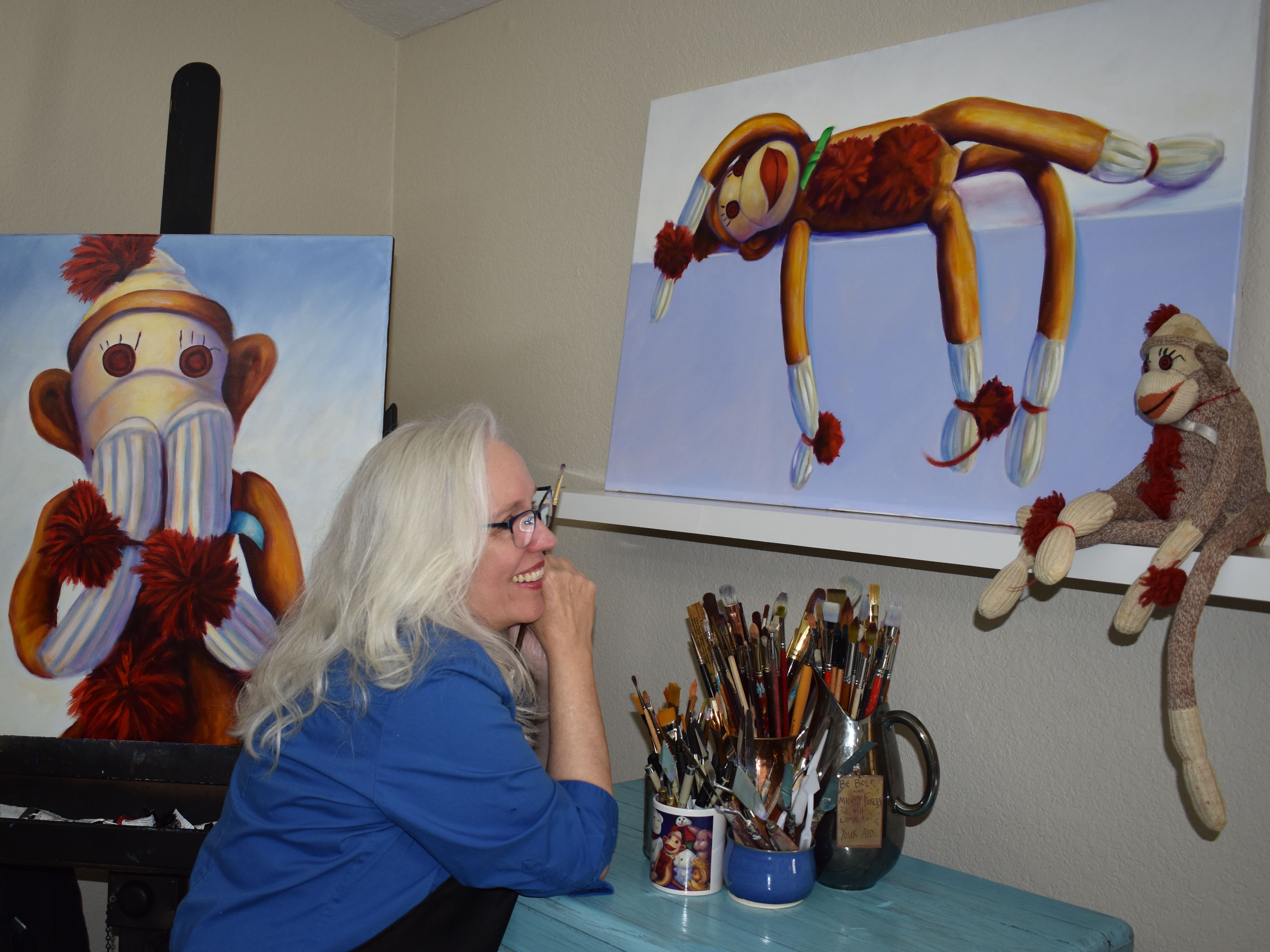

Lately, I have been having fun creating work with the palette knife. But no matter what medium I use, my mission is for folks to feel the love in all my creations. I see art, music, writing, and multimedia as movements in one harmonious joyful symphony. I hope you can feel the love in all of my work
Meet our August 2026 Member of the Month
MARIA SOTO
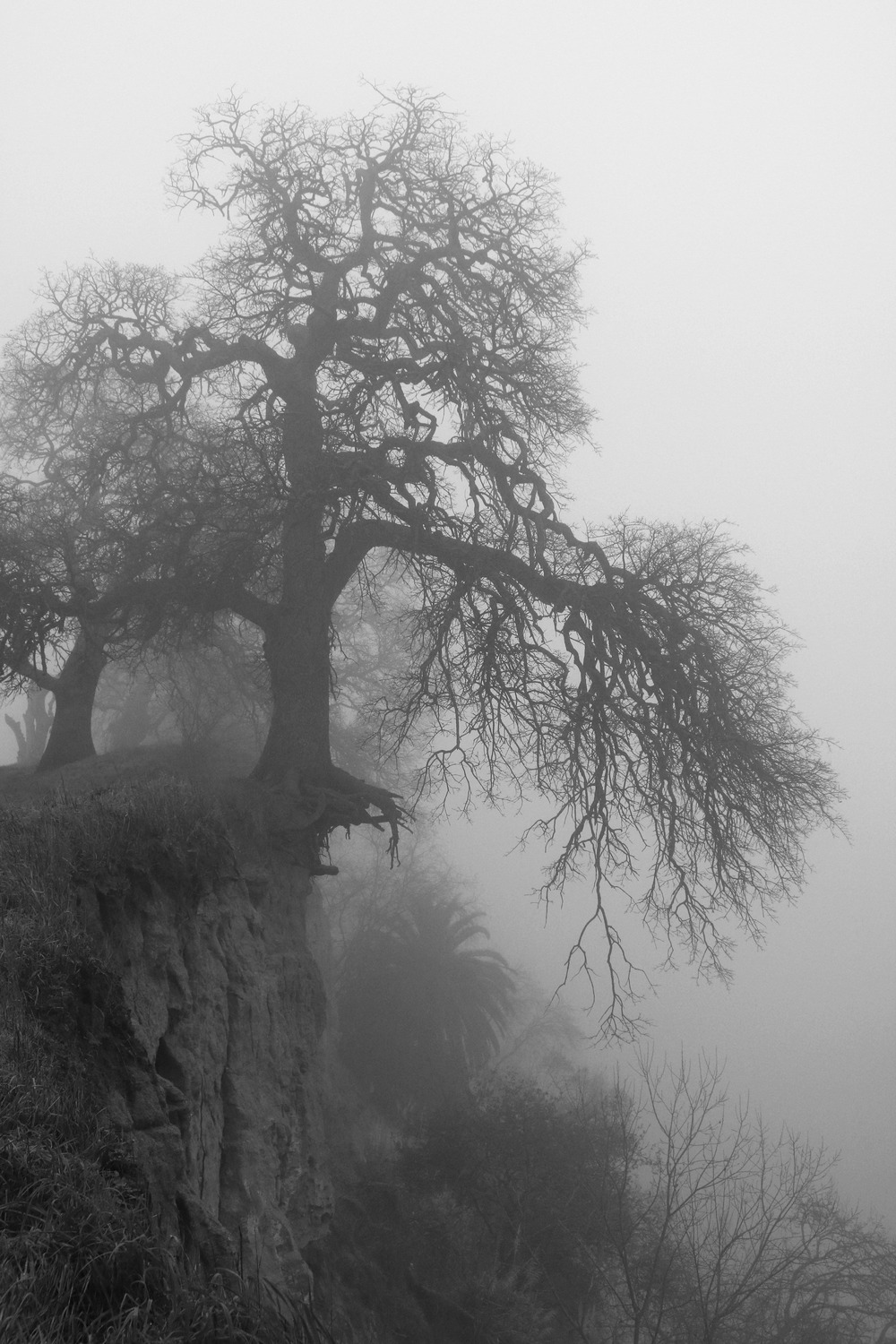
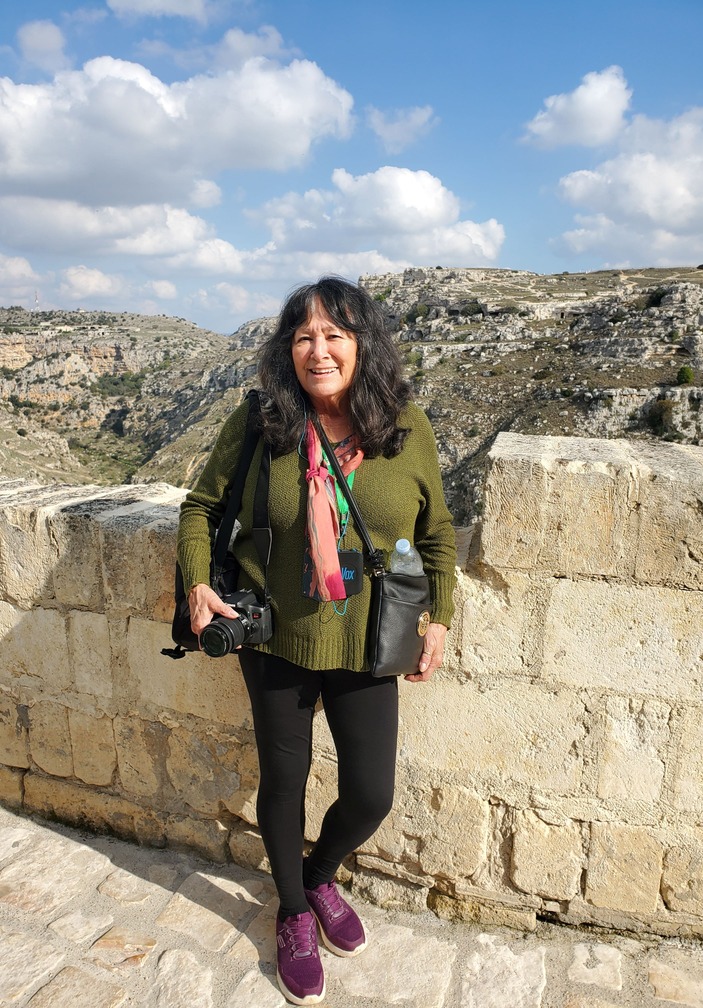
Maria Soto has been photographing all her life and became a professional photographer in 2002. Her photography has been exhibited and featured in galleries throughout Sacramento, Loomis, and Auburn, CA.
She started mainly as a B&W landscape and historical film photographer.
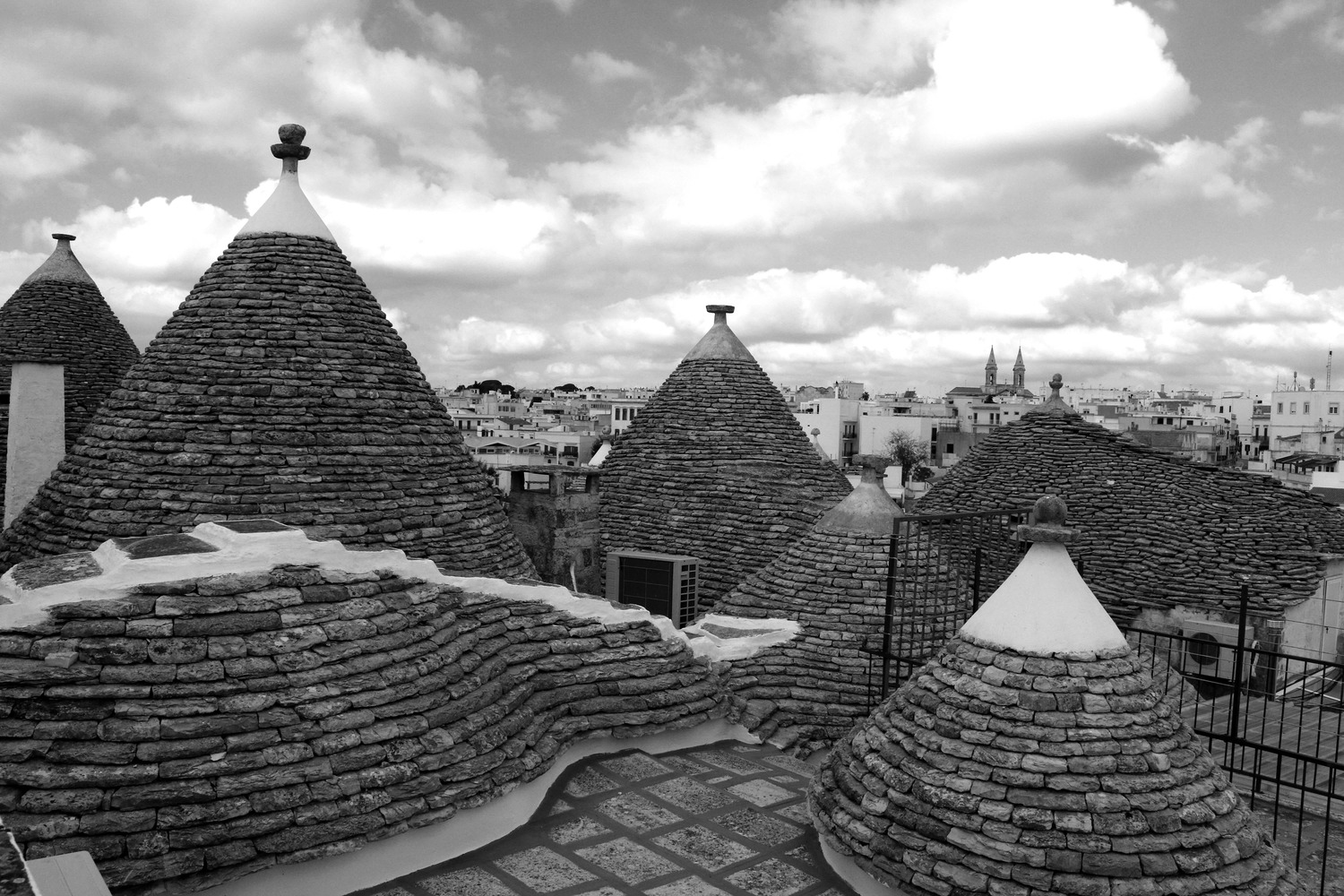
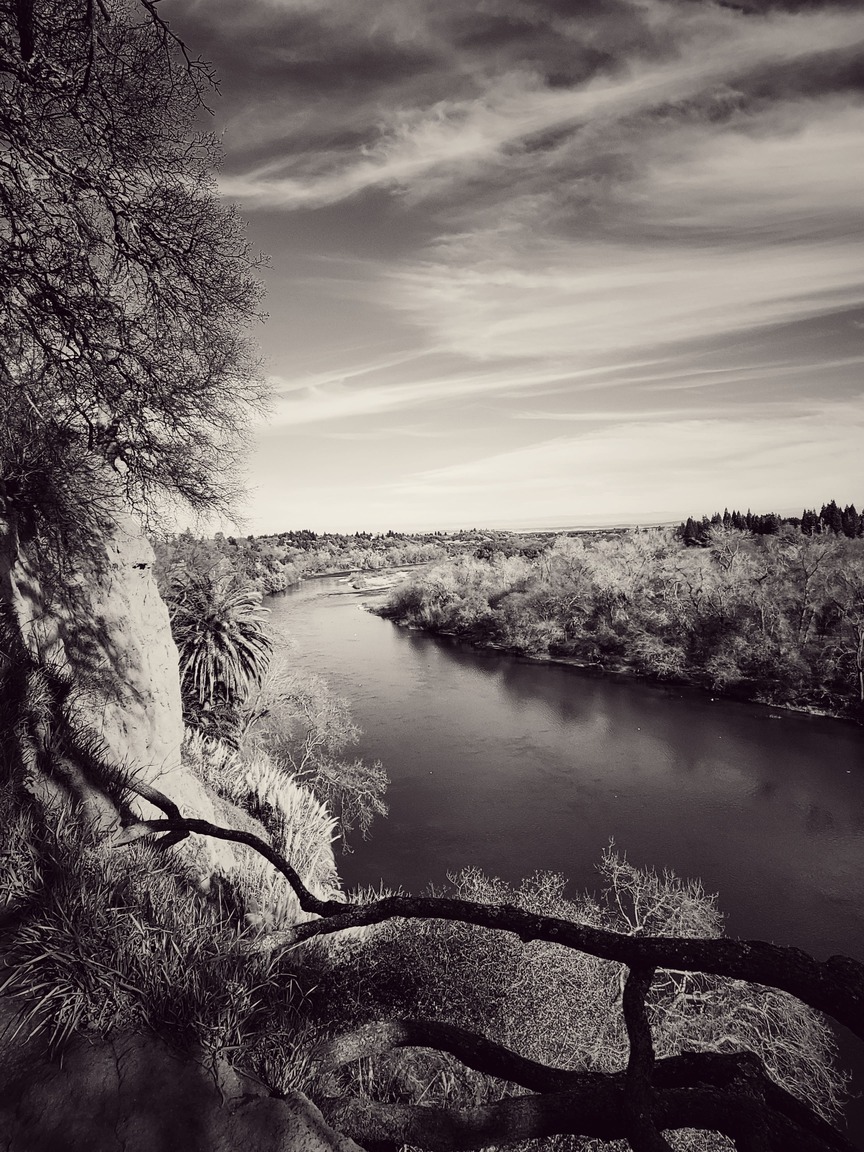
She had her own darkroom, but has now moved on to digital. Additionally, she has since expanded her art to include watercolor, acrylic, Asian inspired mixed media, and has dabbled in many other art forms.
She continues to be inspired by nature and loves to capture how she sees nature and historical places, as well as travelling to other countries.
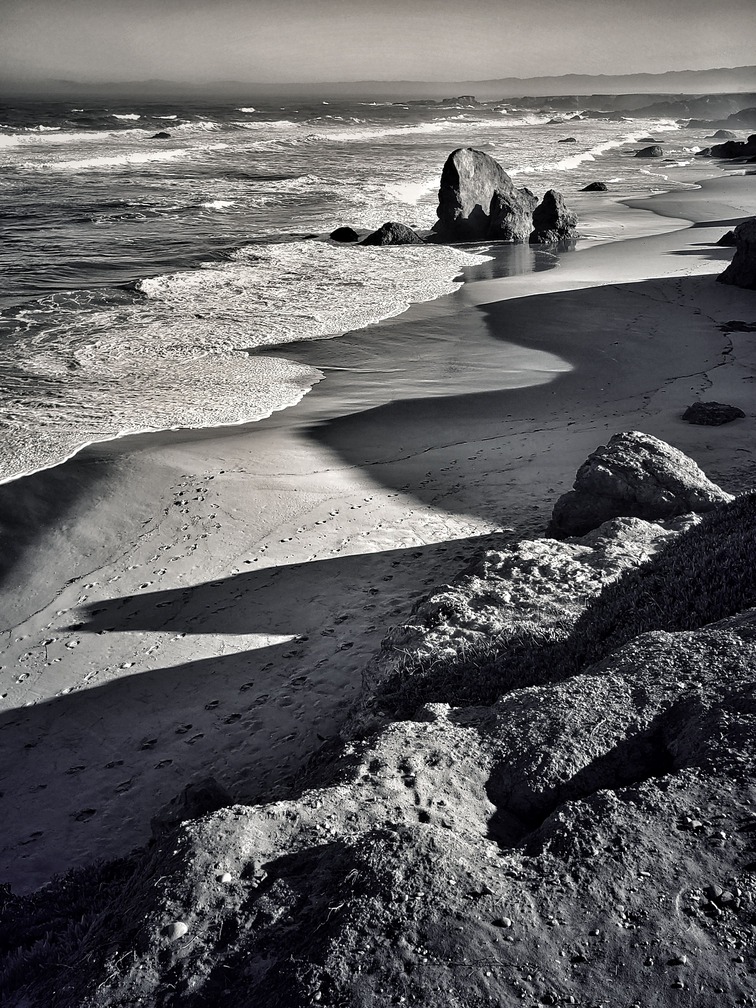
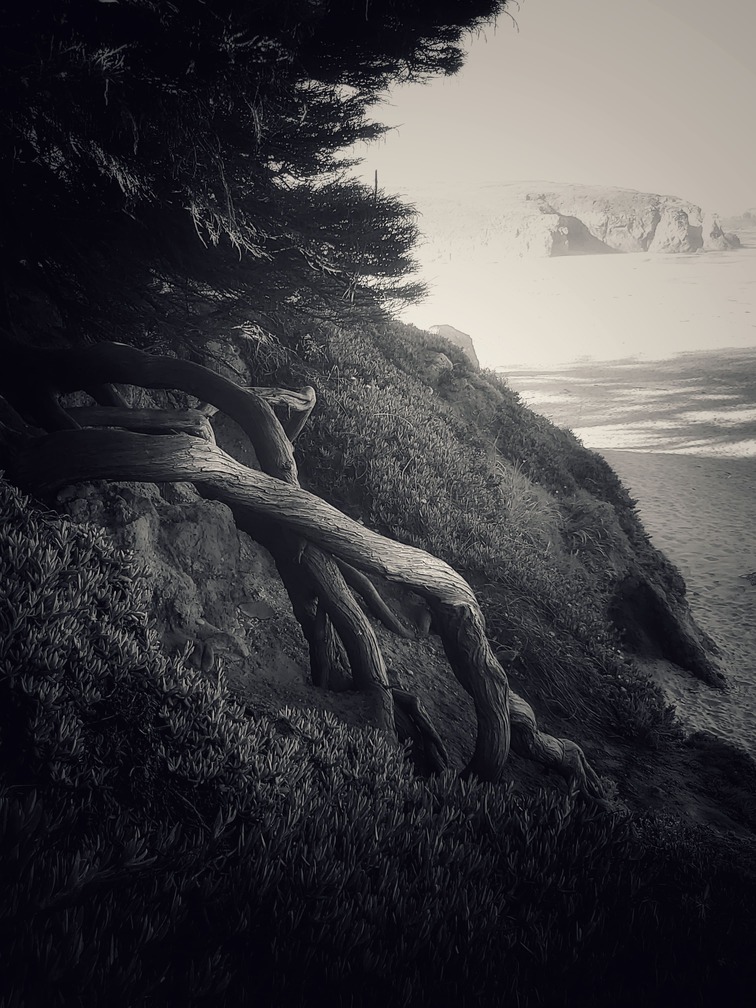
In 2019, she began working on her book project "When you Speak with an Artist, Discoveries are Made".
All of the artists featured in the book have in some way inspired her work, and in an effort to pay it forward, she seeks to inspire other artists to forge their own creative paths. She interviewed each artist, wrote their story, documenting them in their studios in BW images, and showcasing one art piece in color.
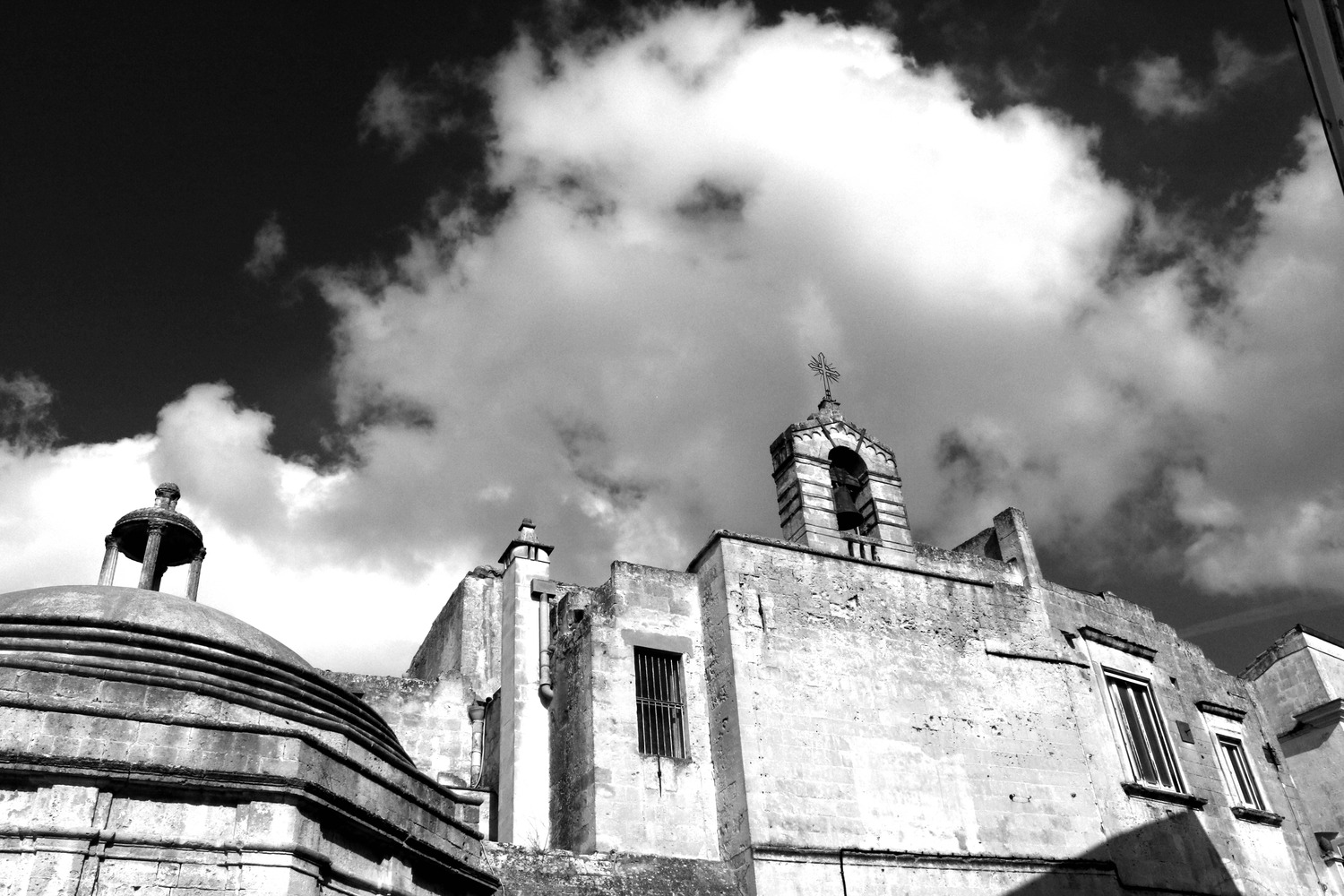
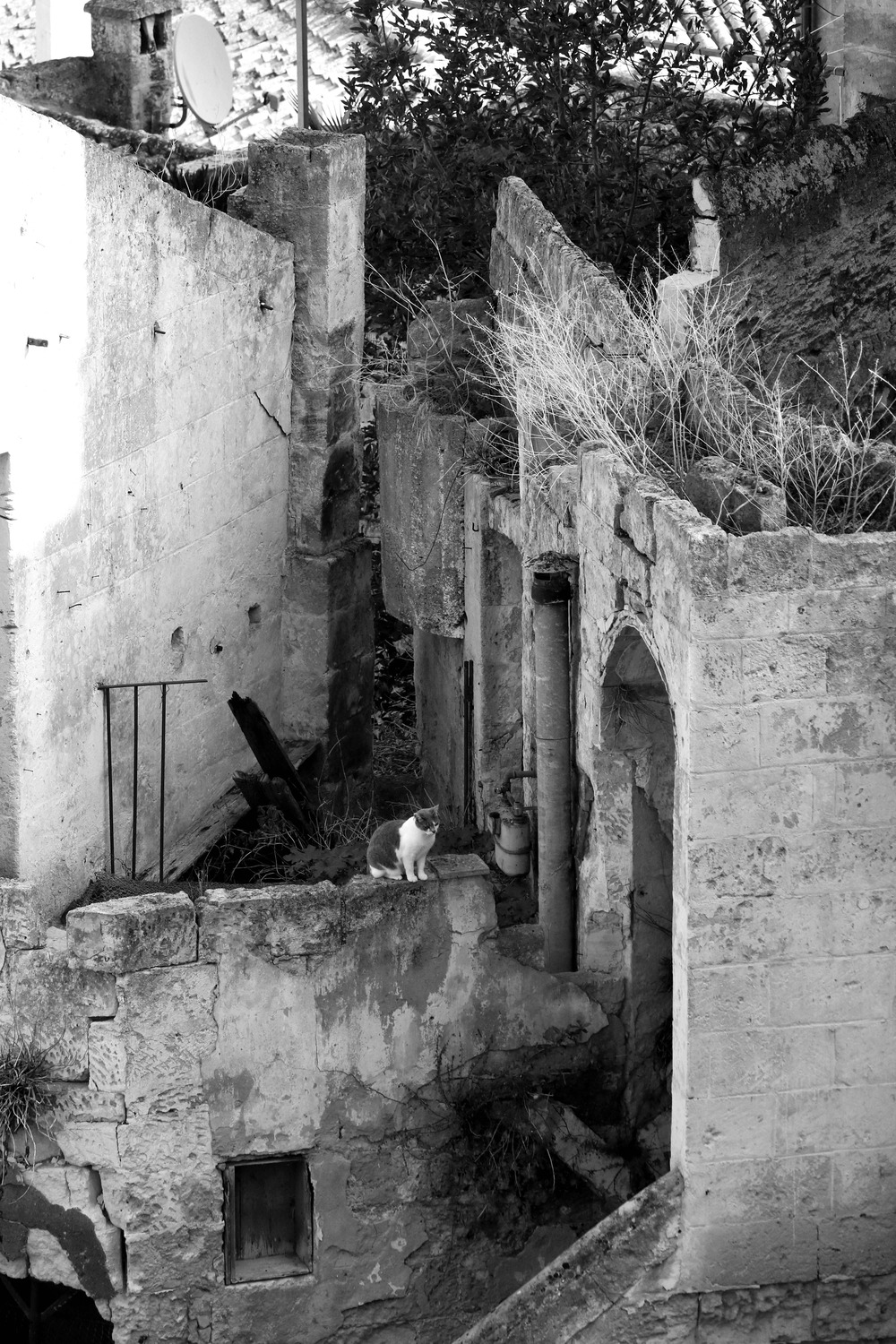
The process of interviewing and photographing these artists allowed her to get to know them at another level. Her journey of writing these artists' stories inspired her to learn more art processes and increased her creativity to another level.
This process brought her friendships with these talented artists to an even higher level, and she is proud to call them her friends.
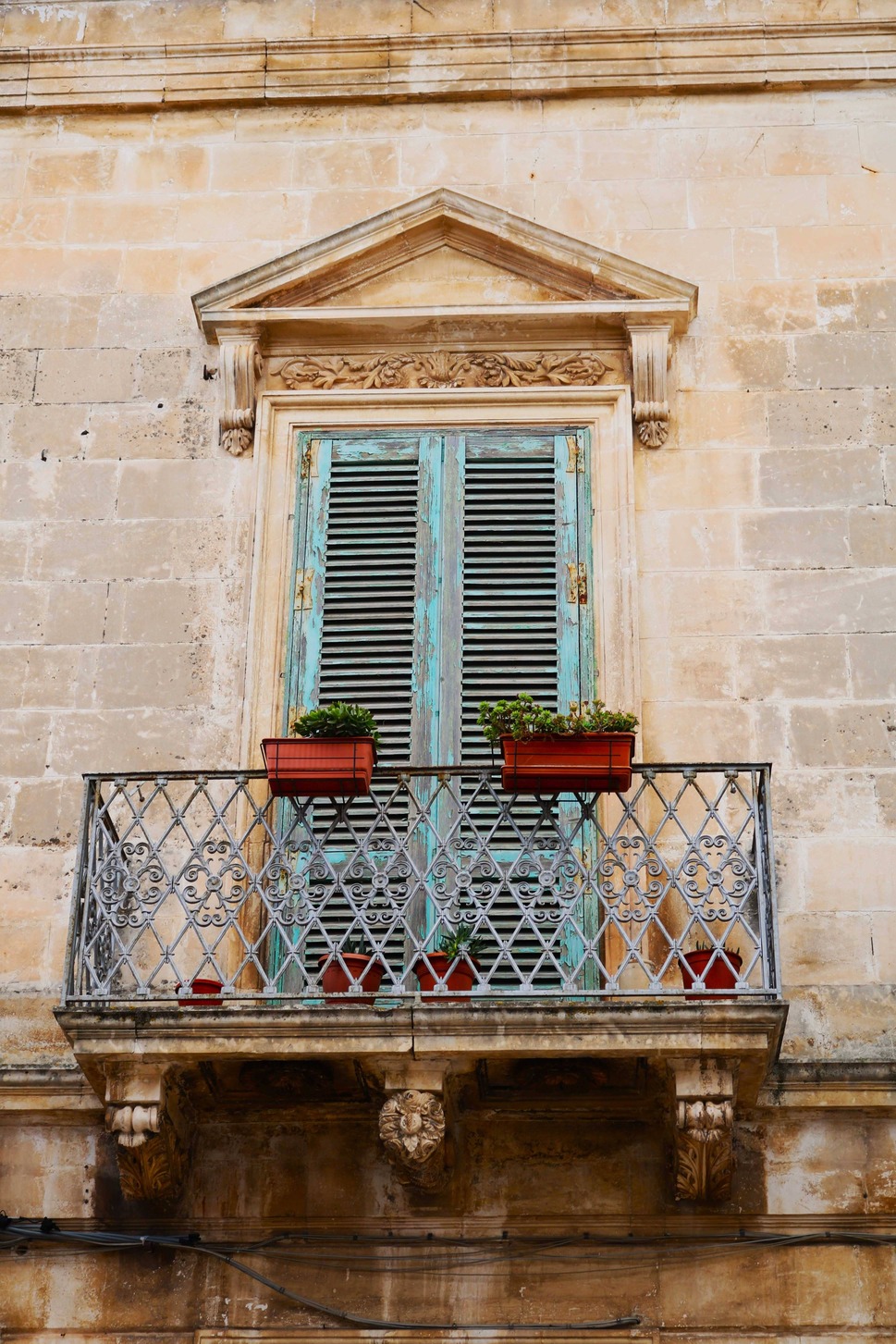
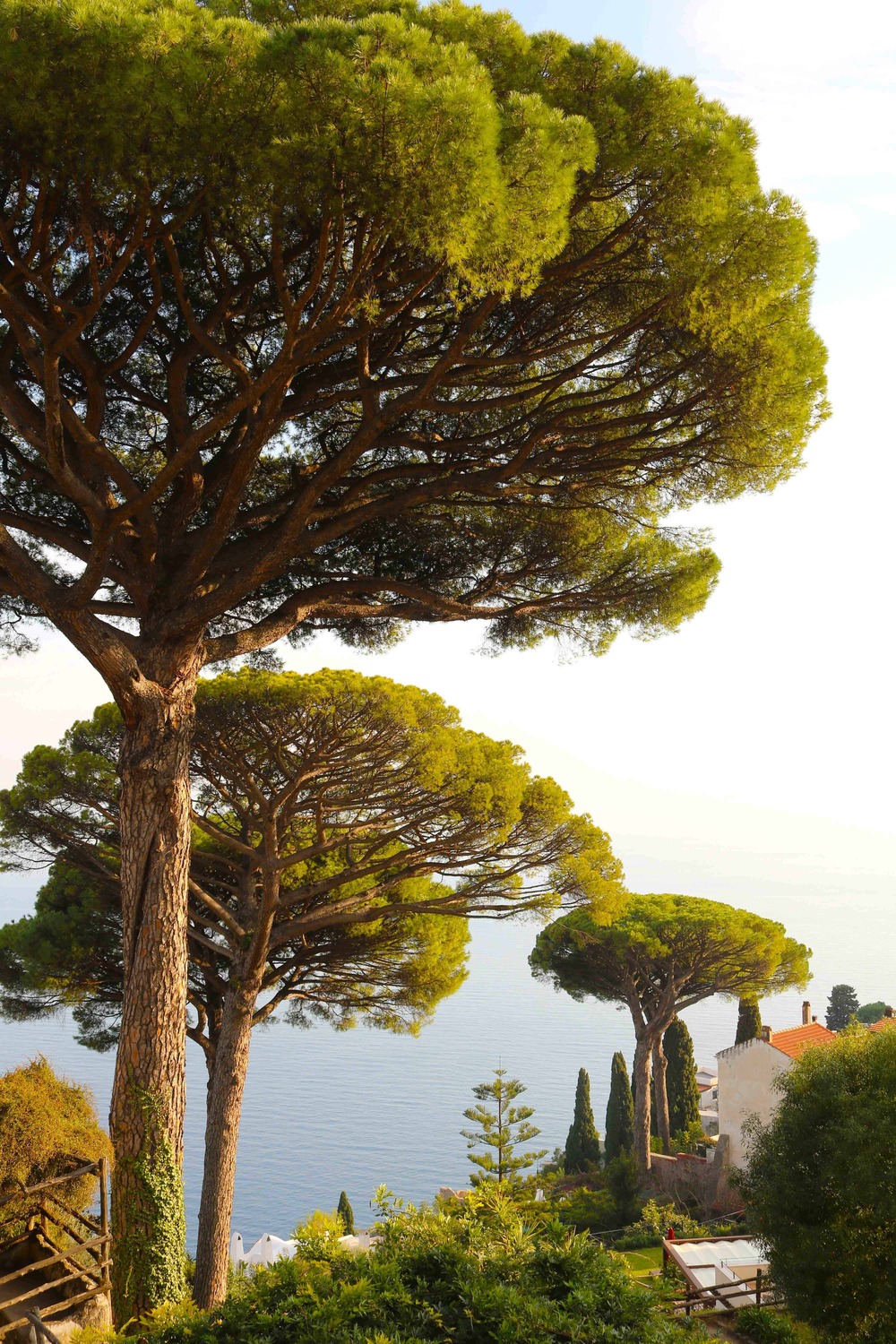
It was a life experience she will cherish forever. There are 13 artists in the book, including herself. They are all from Placer and Sacramento counties.
She has been a participating member of RFA since 2023. She recently volunteered at RFA to schedule artists at 979 Hair Salon, as well as finding speakers for RFA meetings.
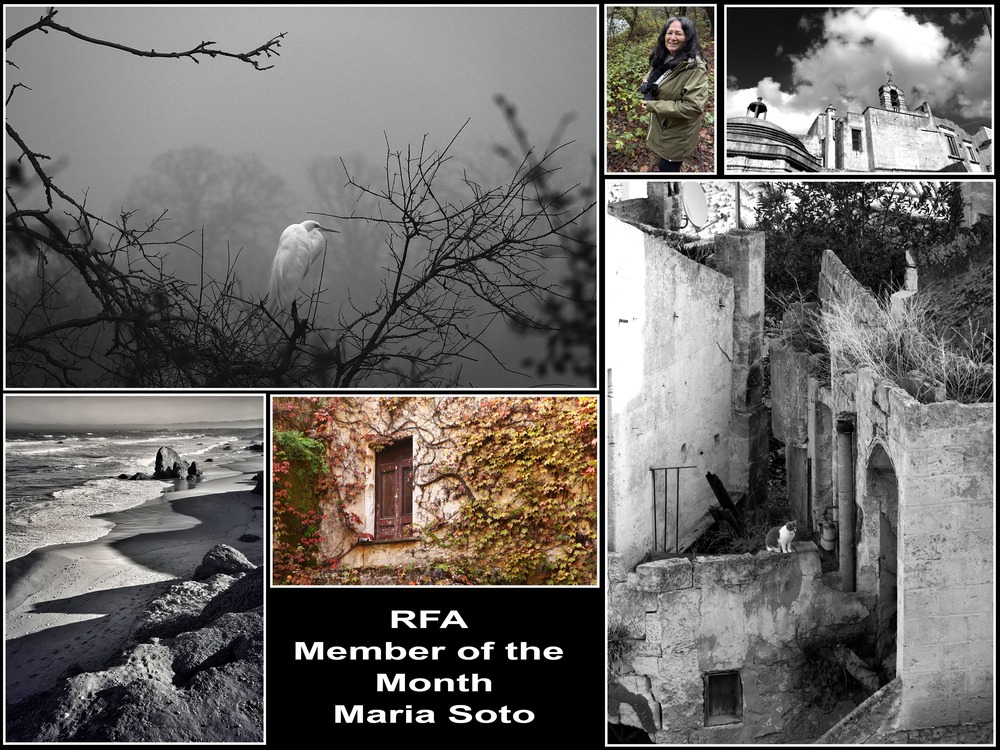
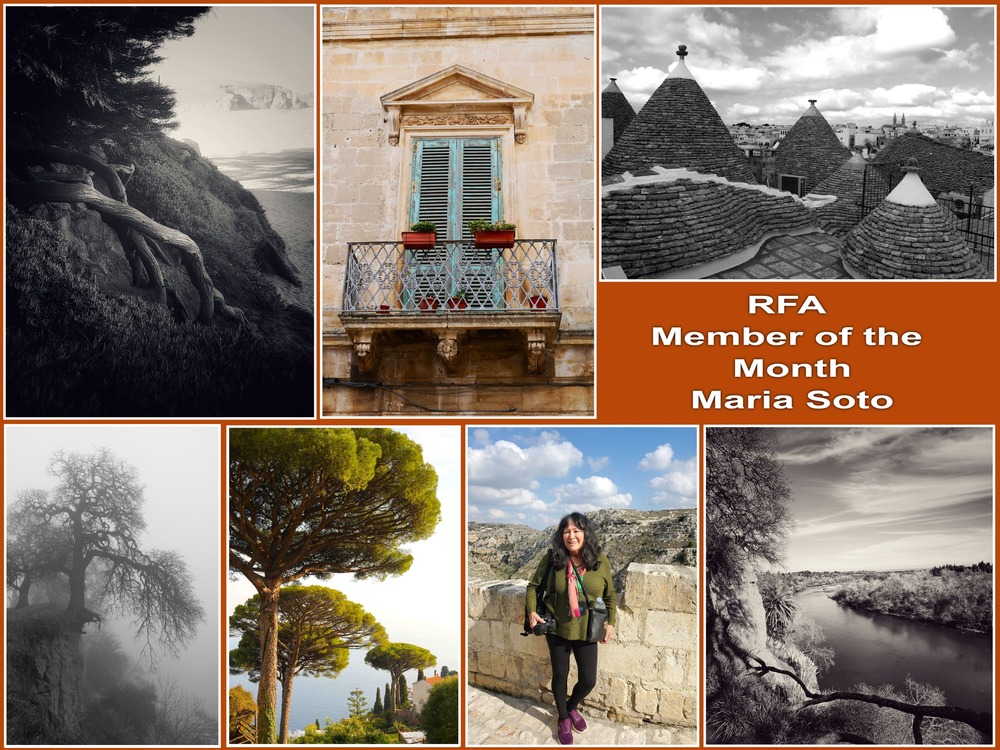
She was previously a member of Art League of Lincoln, curating their shows as well as scheduling artists for monthly shows in the Spotlight Gallery; and is currently one of five managers at Persimmon Art Gallery in Auburn, which keeps her pretty busy, as she is also one of the two curators for the gallery, which currently hosts 33 artists.
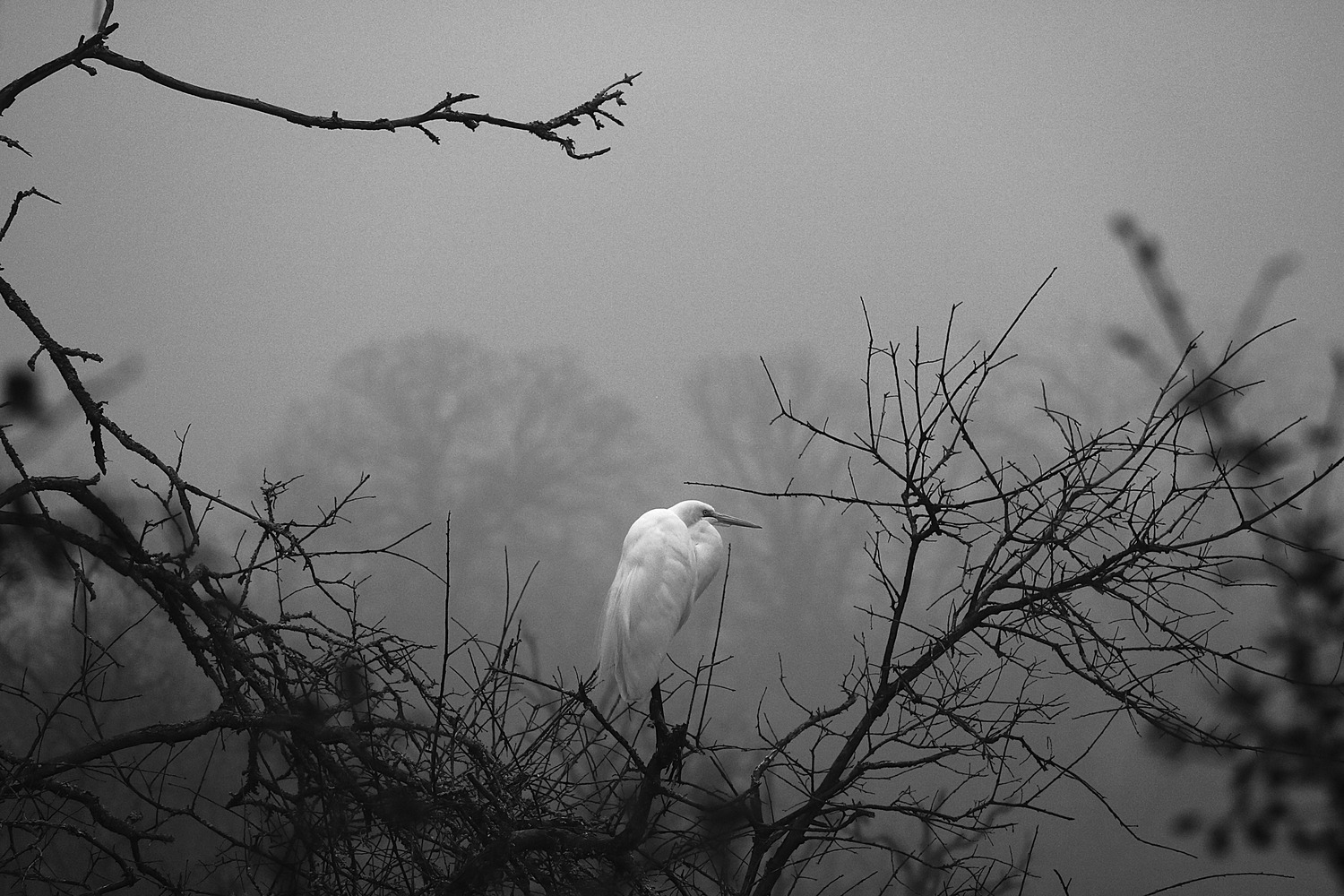
In the last two years she has received noted awards for her B&W photography, receiving a Jurors' Award at the California State Fair in 2024 for The Broken Veteran; a Second Place in RFA's show in February 2026 for Balancing on the Bluffs, and it sold; and Best of Show at the General Gomez Annual Photography Show in May 2026 for Snowy Egret in the Fog.
Every photographer and artist has a specialty, and hers is TREES!
She loves TREES!
Meet our September 2026 Member of the Month
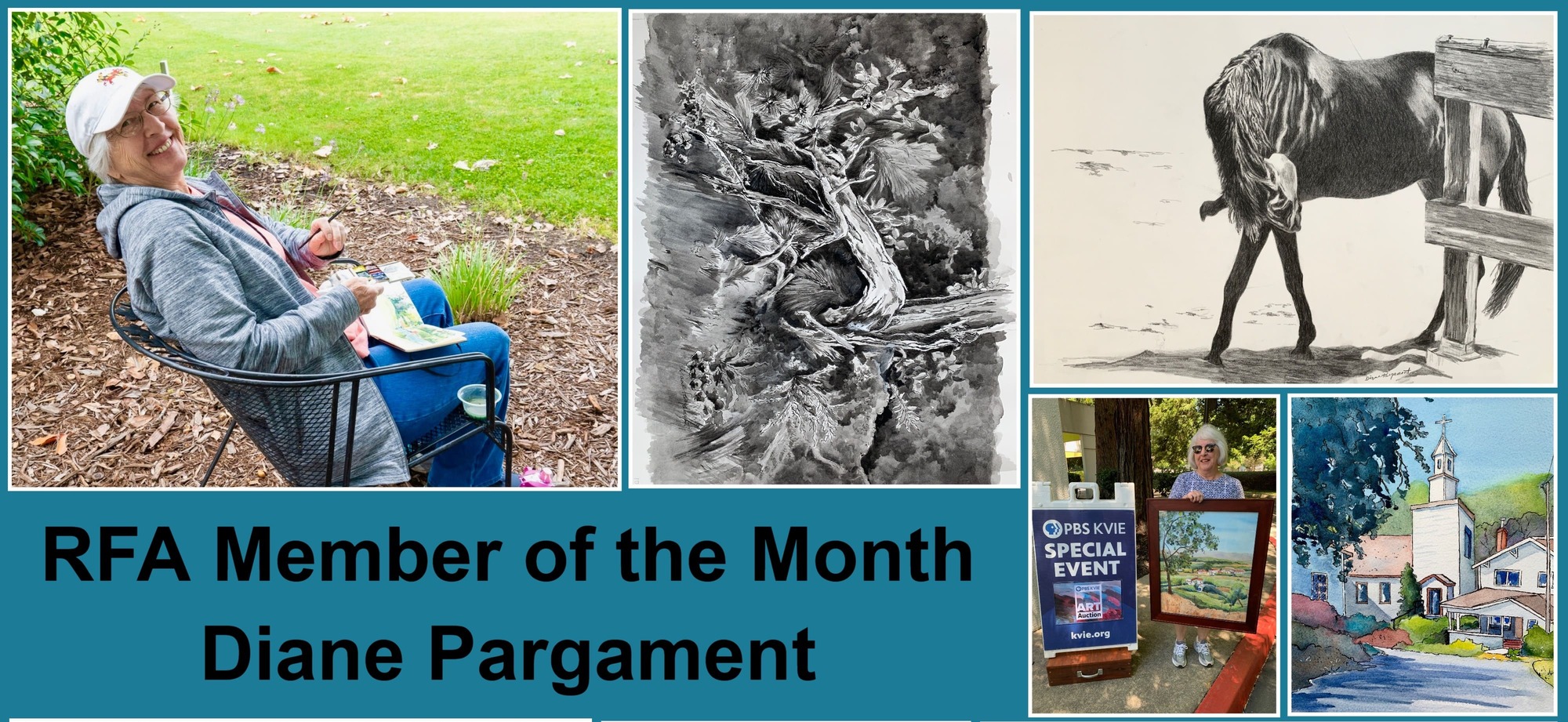
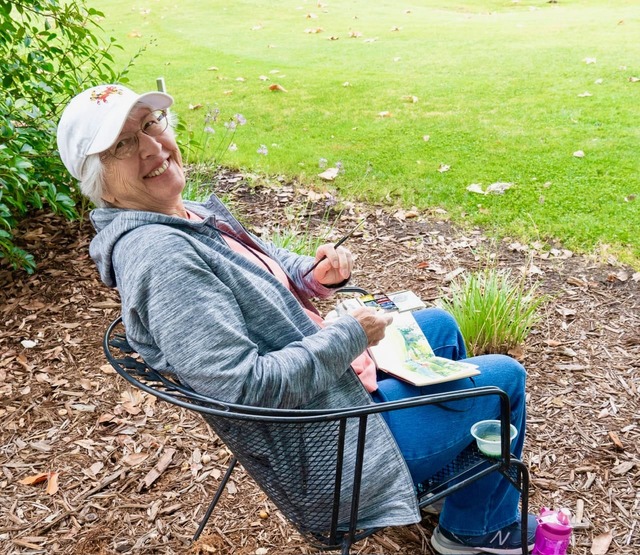
DIANE PARGAMENT
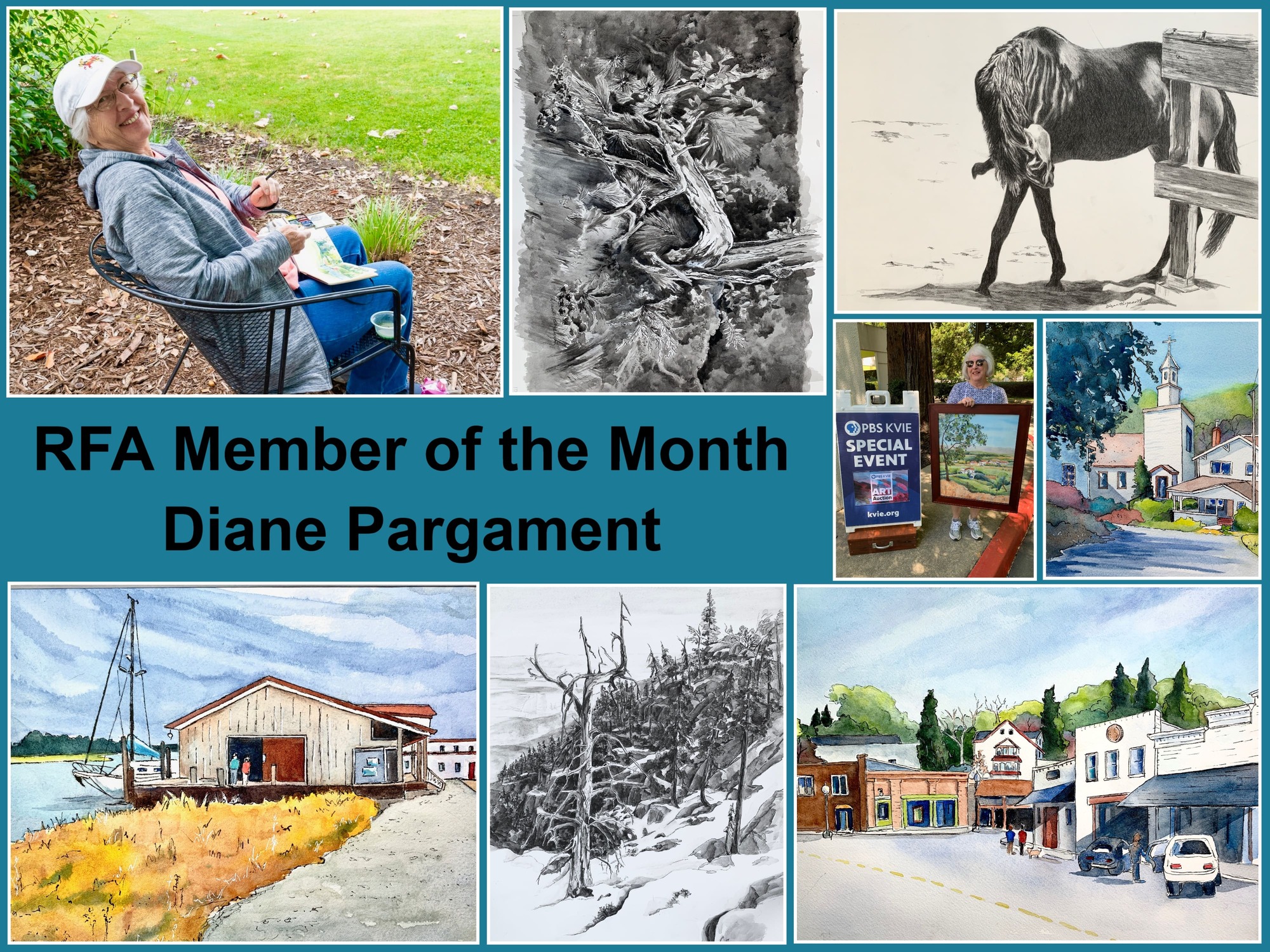
Diane Pargament
I have been creating art in some form for most of my life, so Im not sure if I would know how to be in the world without it.
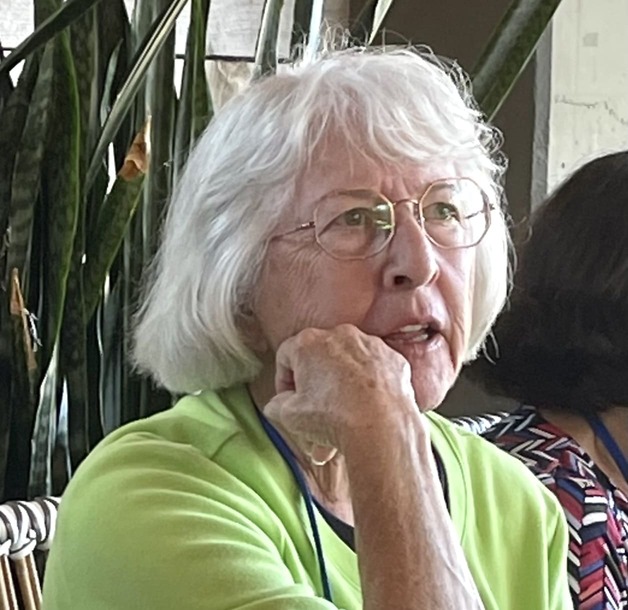
Diane states that when she is working in her studio, she pretty much can ignore what goes on around her.
I am in control here!
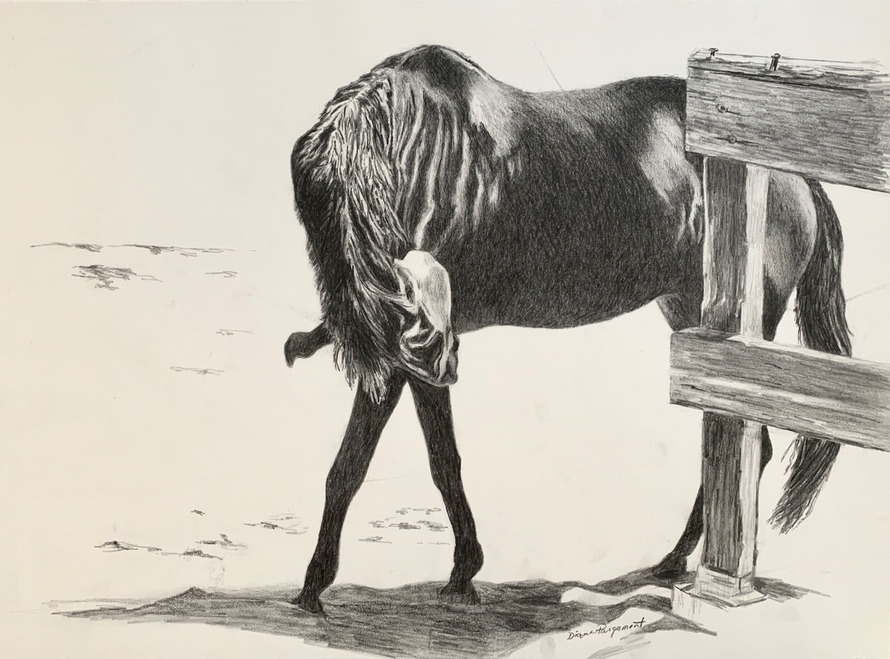
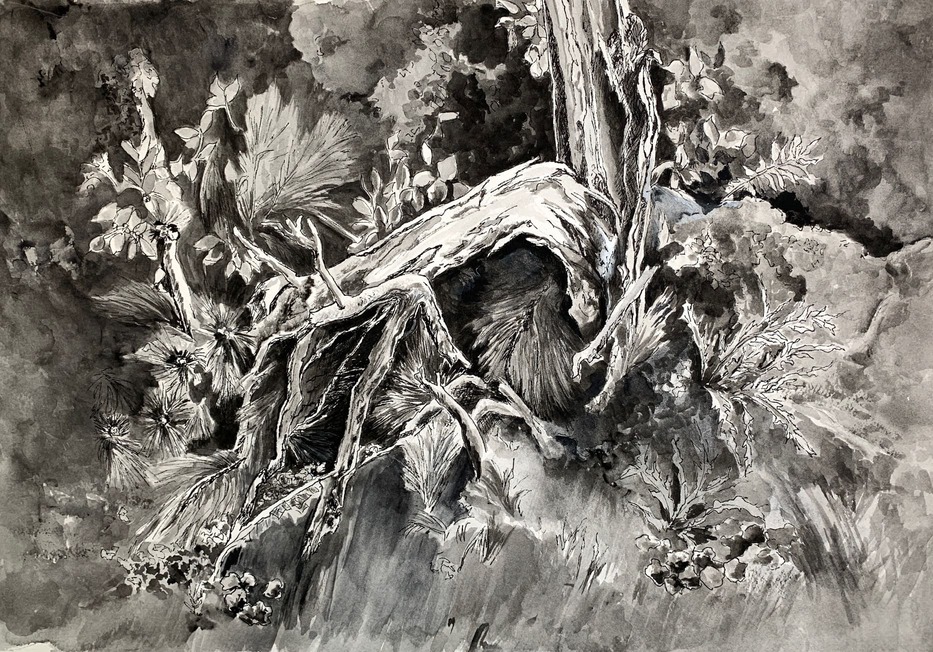
She loves seeing a piece come together, from that sometimes intimidating blank piece of paper to a finished work.
Diane chooses subjects that appeal to her, that she would like to hang on the walls of her house.
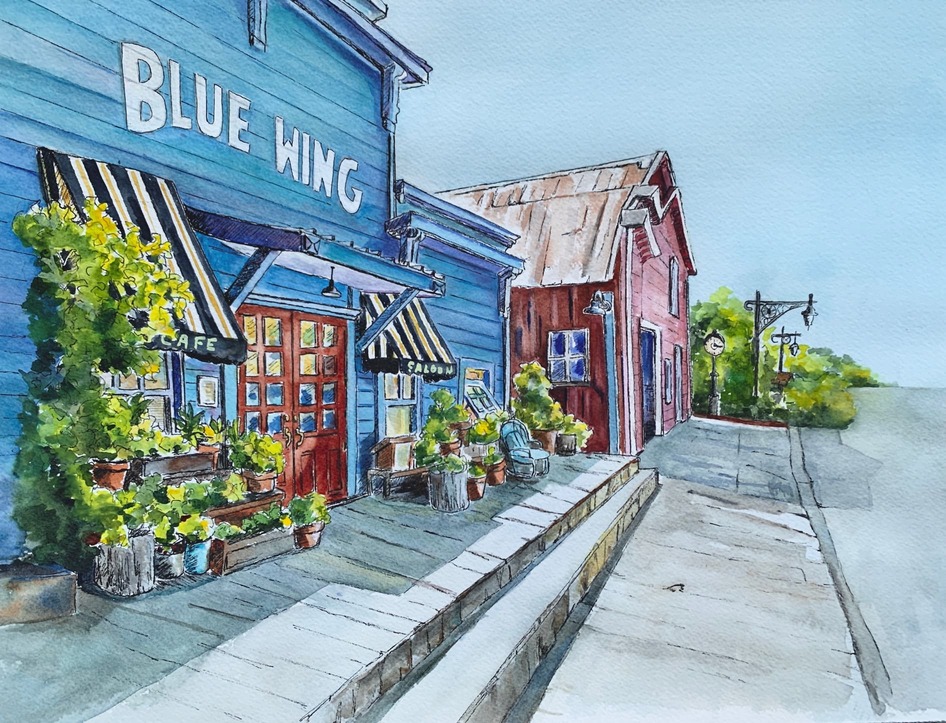
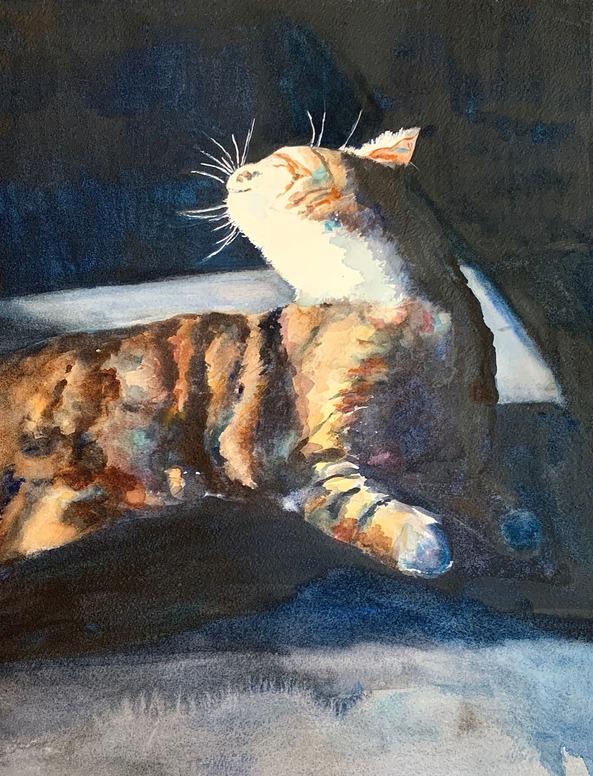
She says, I dont have any particular agenda or message to send other than to a hope that viewers get some pleasure from looking at my art.
She paints many different subjects, and doesnt follow any particular theme.
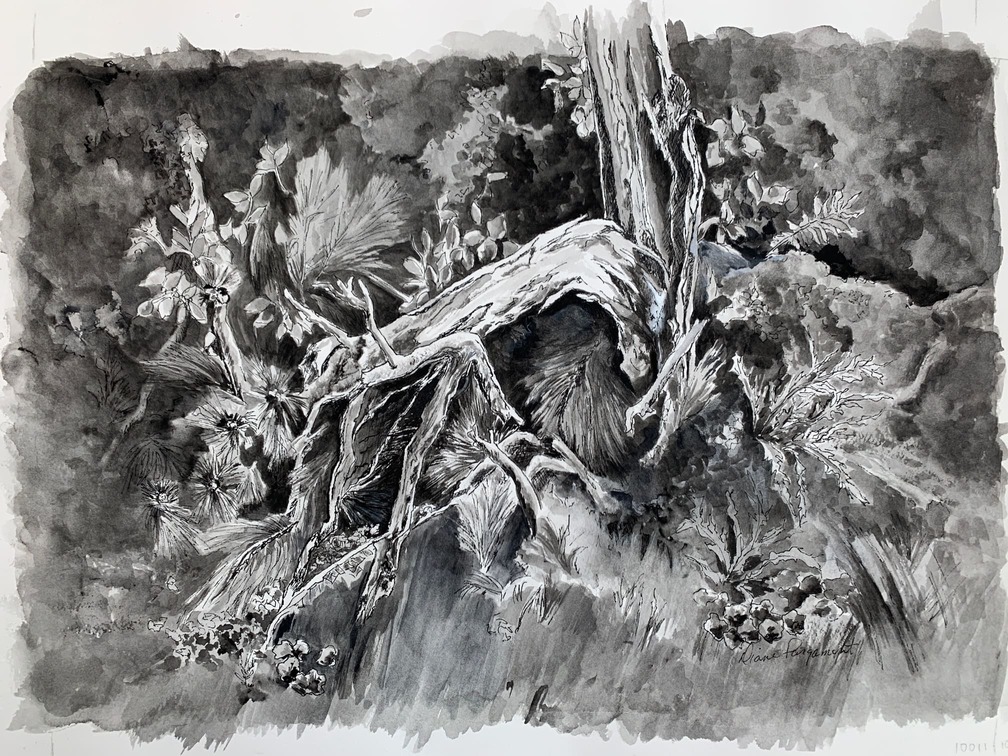
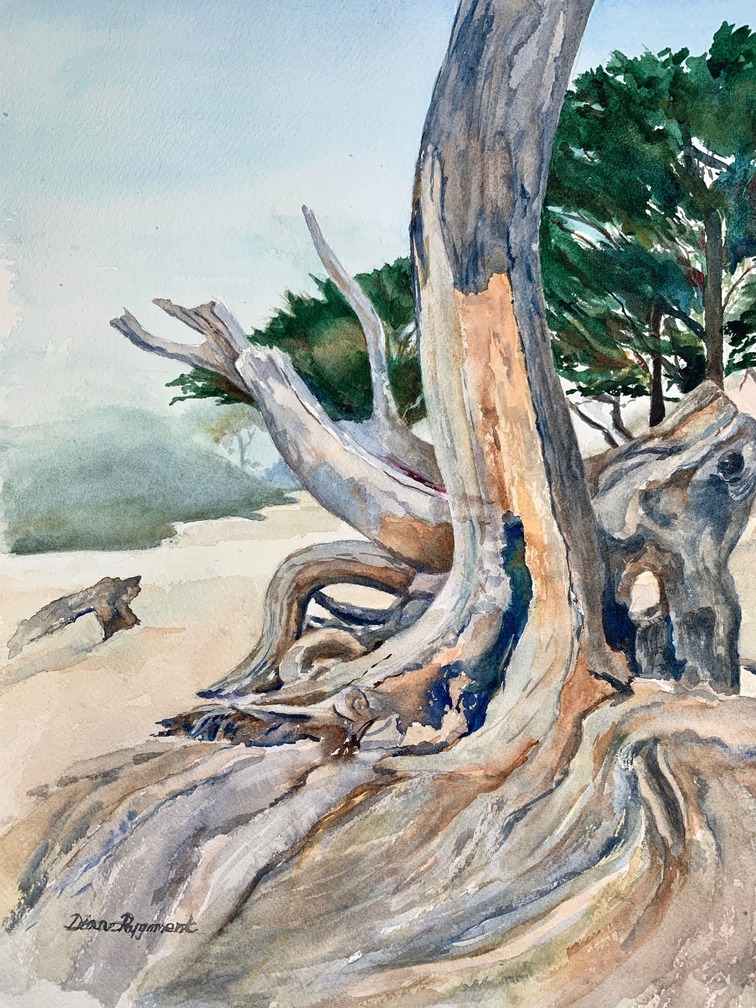
She may do something in a very different style from her norm and never go back and do another painting in that style again.
Diane does art nearly every day, even if it is just a sketch. Sometimes she spends a lot of time just scrolling through photos and getting ideas.
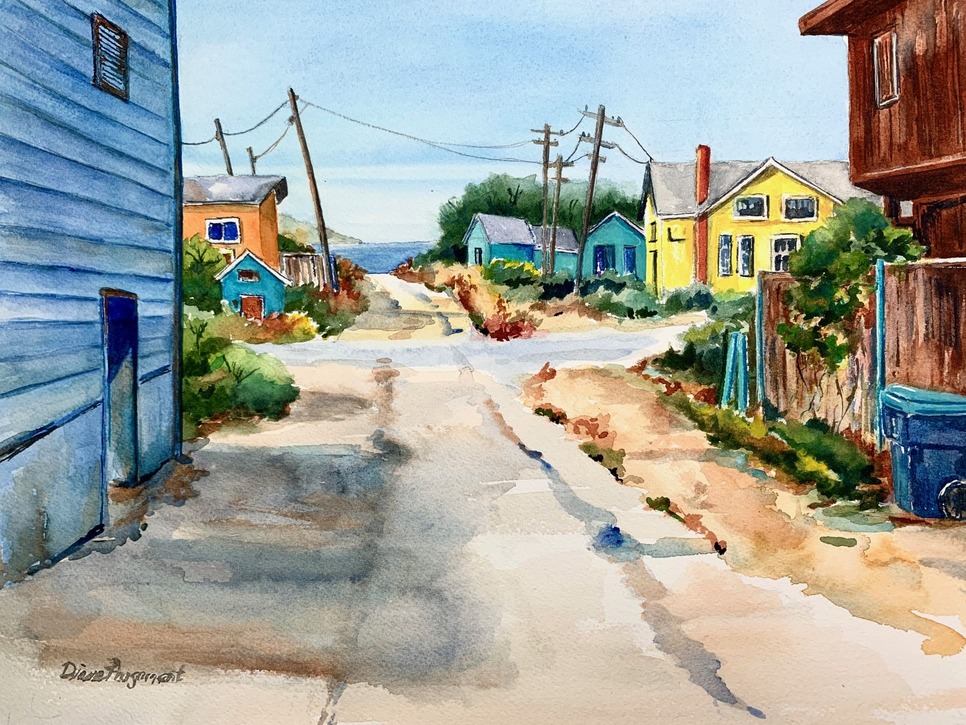
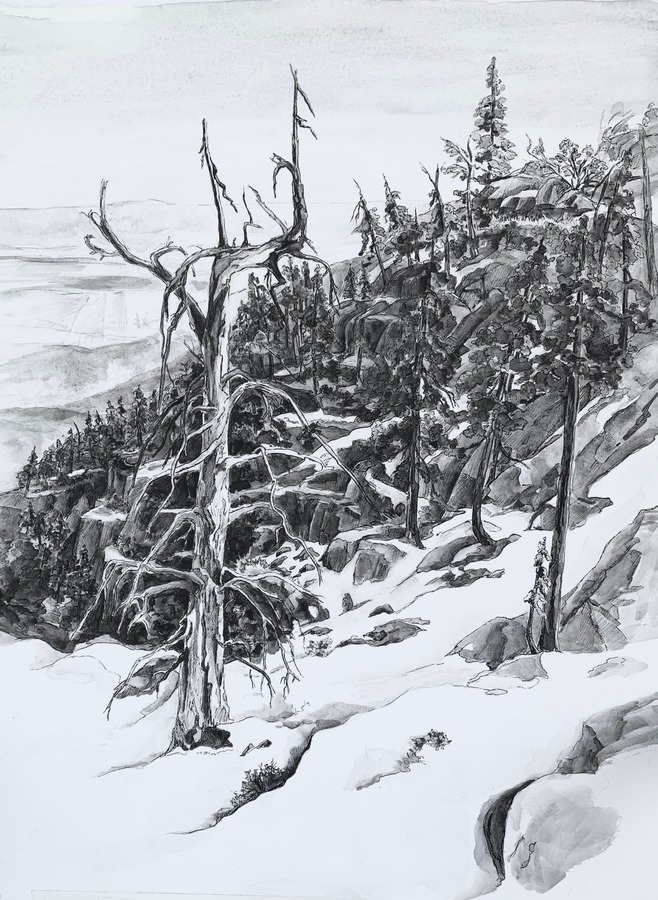
She also reads and looks at other artists work to get inspired and enjoys taking workshops which can lead to new ideas and techniques.
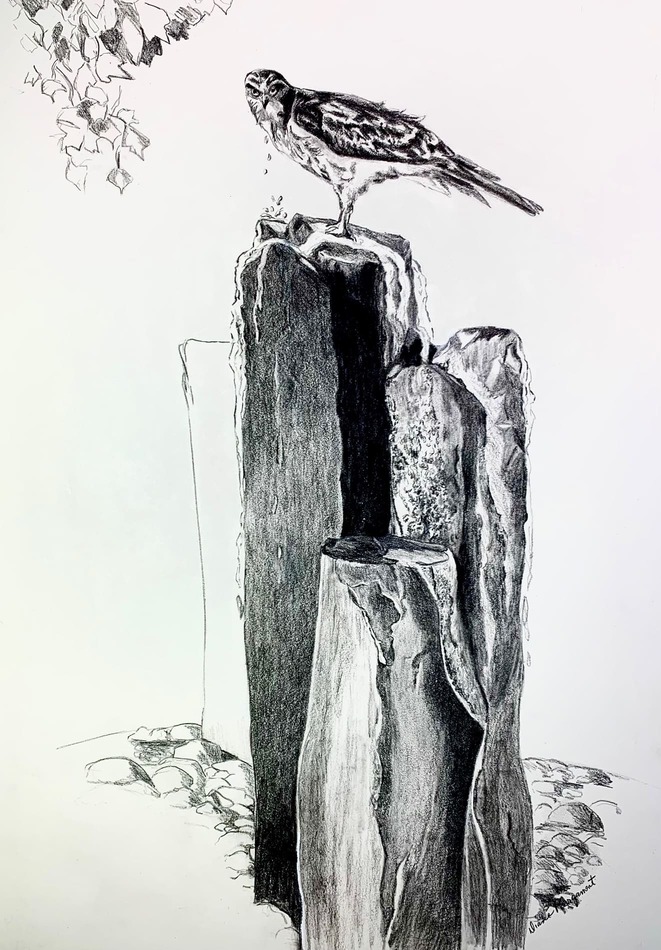
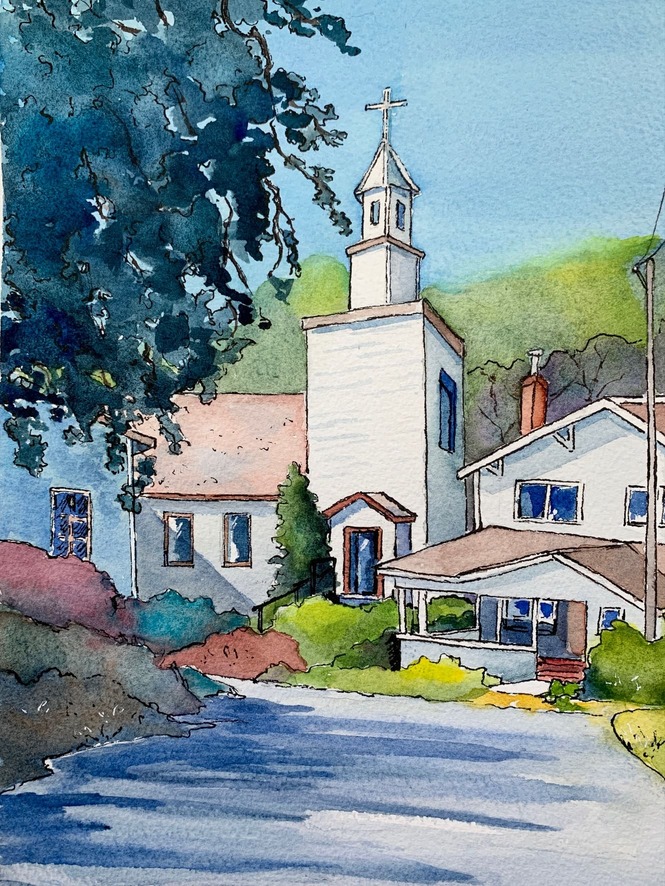
For years Diane worked almost exclusively in watercolor but over the past couple of years has focused on black and white images in pen and ink, liquid charcoal, and neutral watercolor.
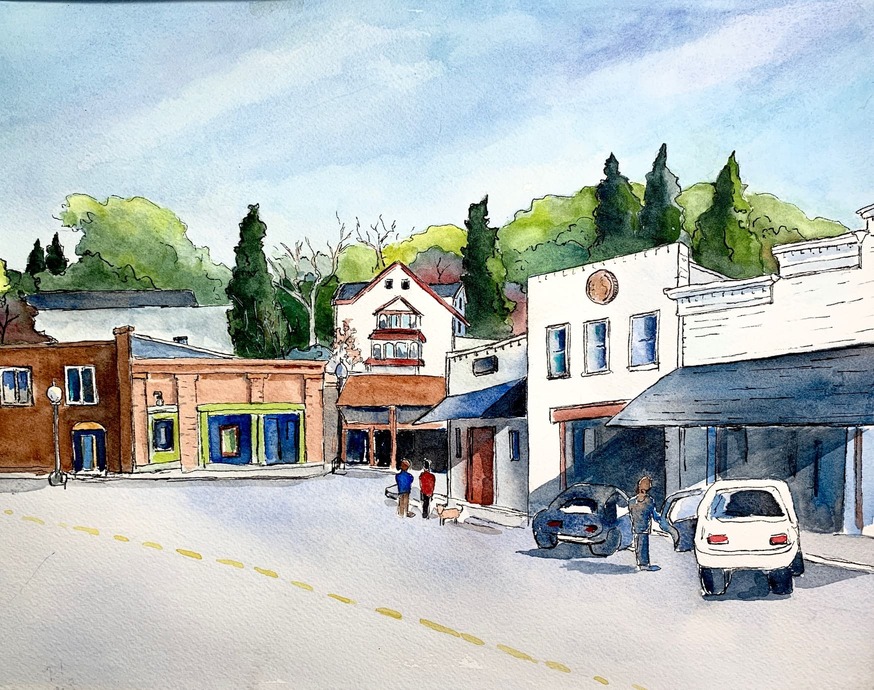
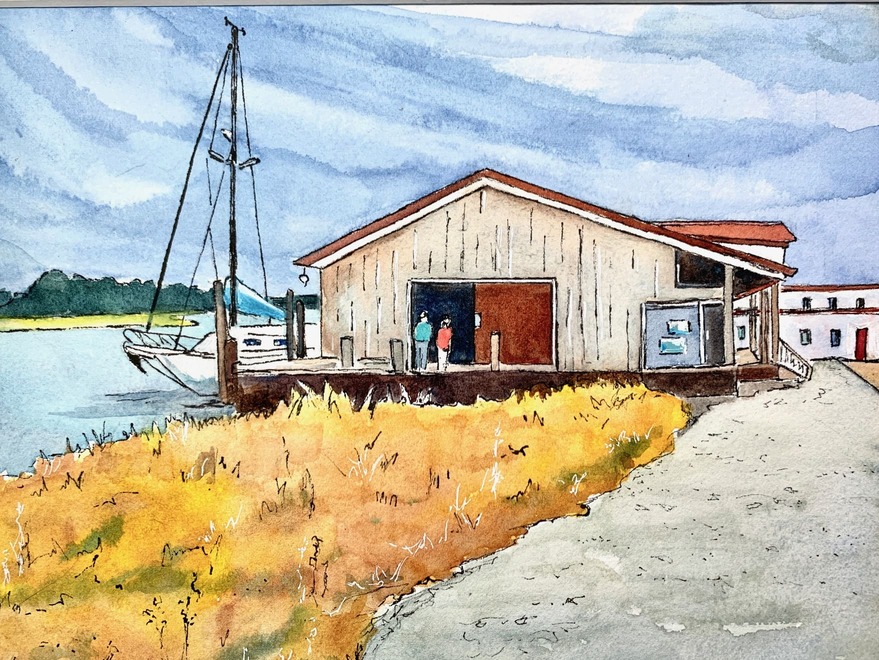
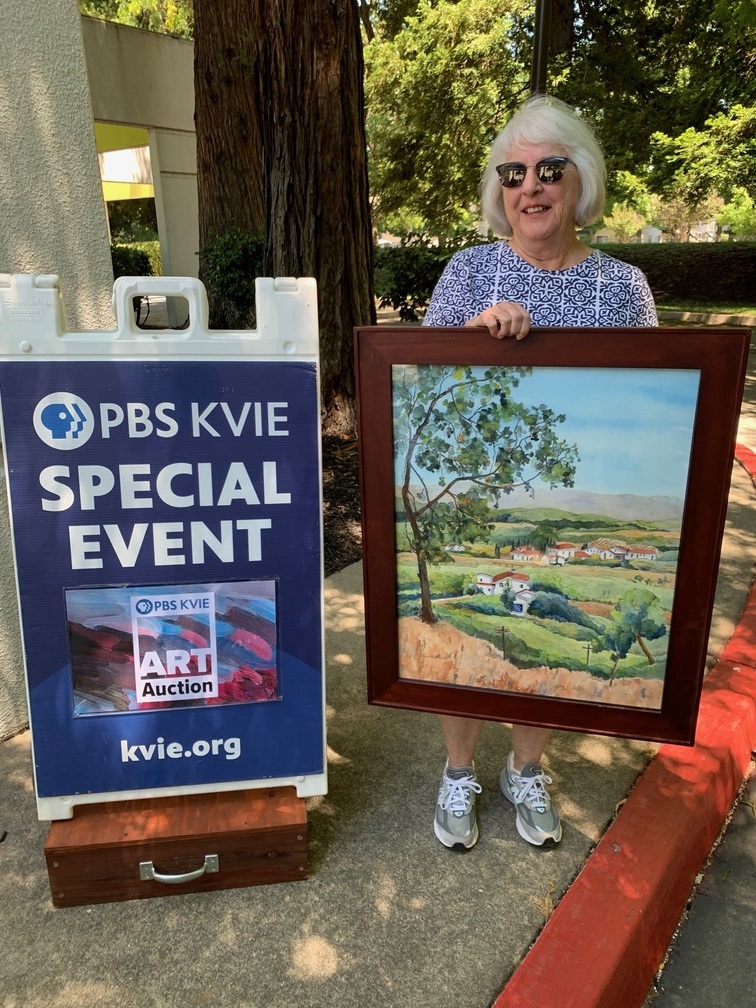
She will have a painting featured in the KVIE Art Auction for the 15th year this year.
.jpg)
Meet our October 2026 Member of the Month
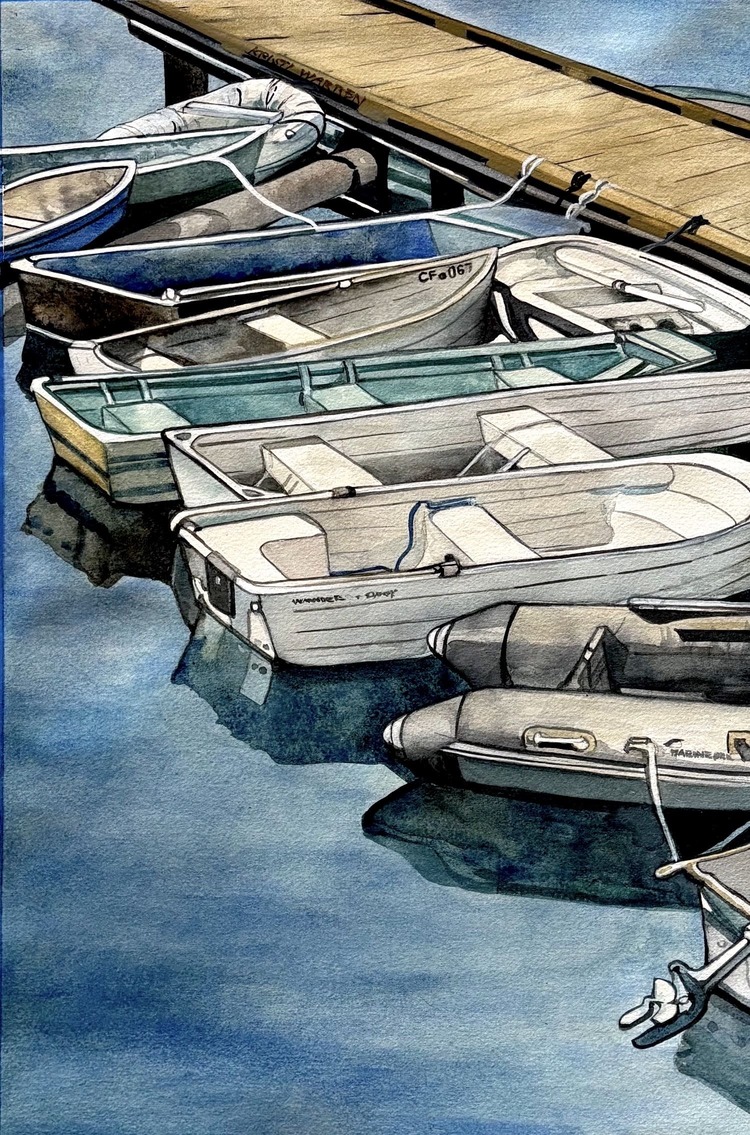
KRISTI WARREN
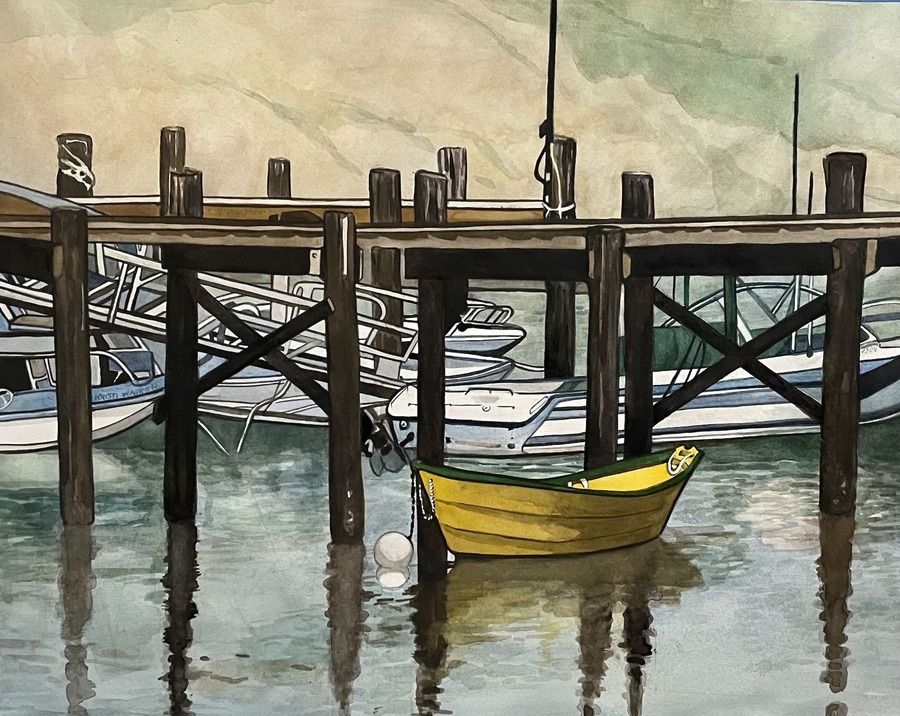
I have been in love with creating things for as long as I can remember.
Growing up, art was always my favorite subject. I truly believe we all have creativity inside us, and I love discovering what that looks like in myself and others.
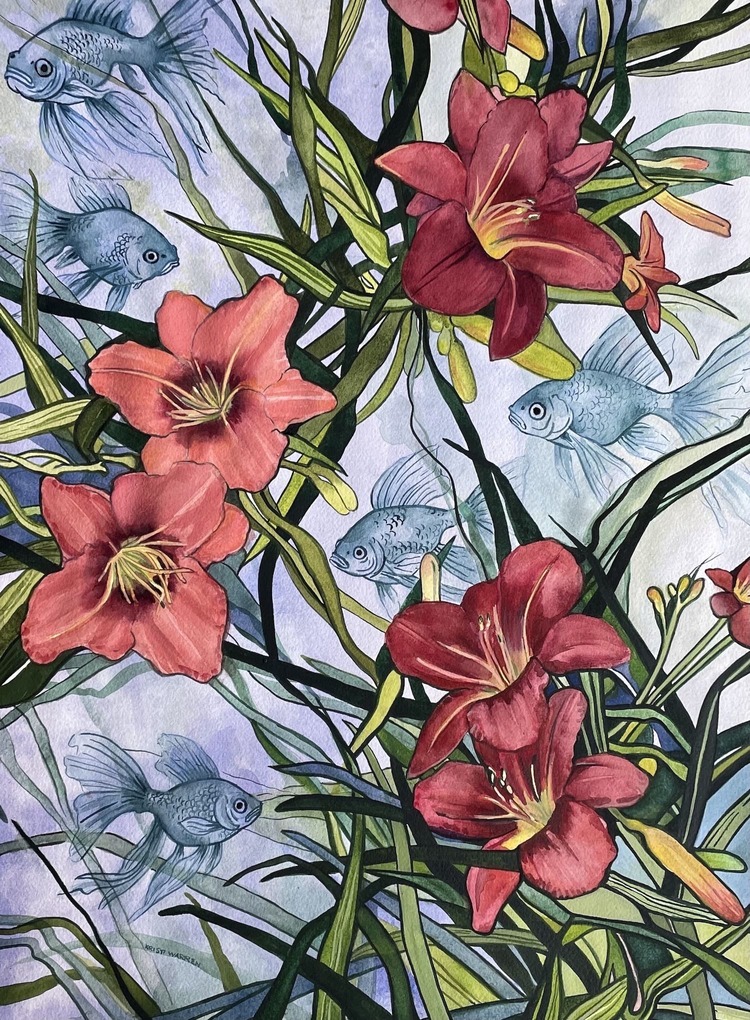
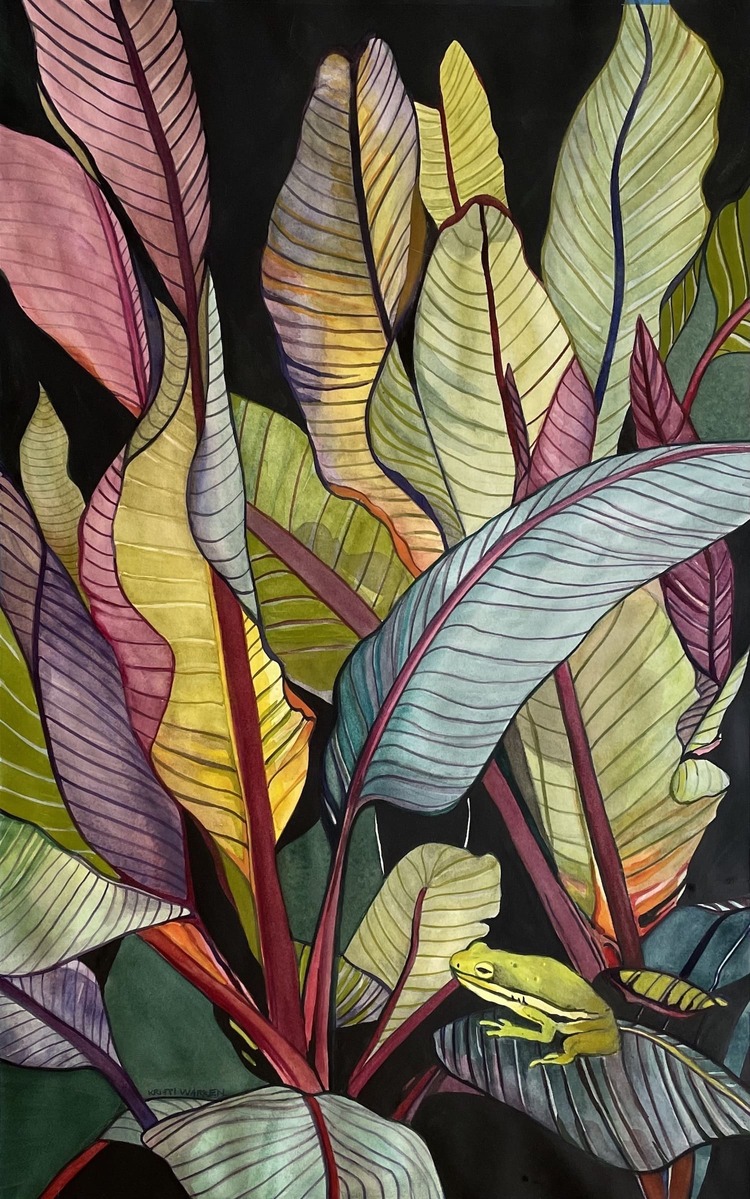
I work primarily with watercolors, gauche, and sometimes oils.
My creative path took a few twists and turns along the way. In my 20s, I studied hands-on commercial art - think hand lettering and painted storyboards- at the Art Center College of Design in Pasadena.
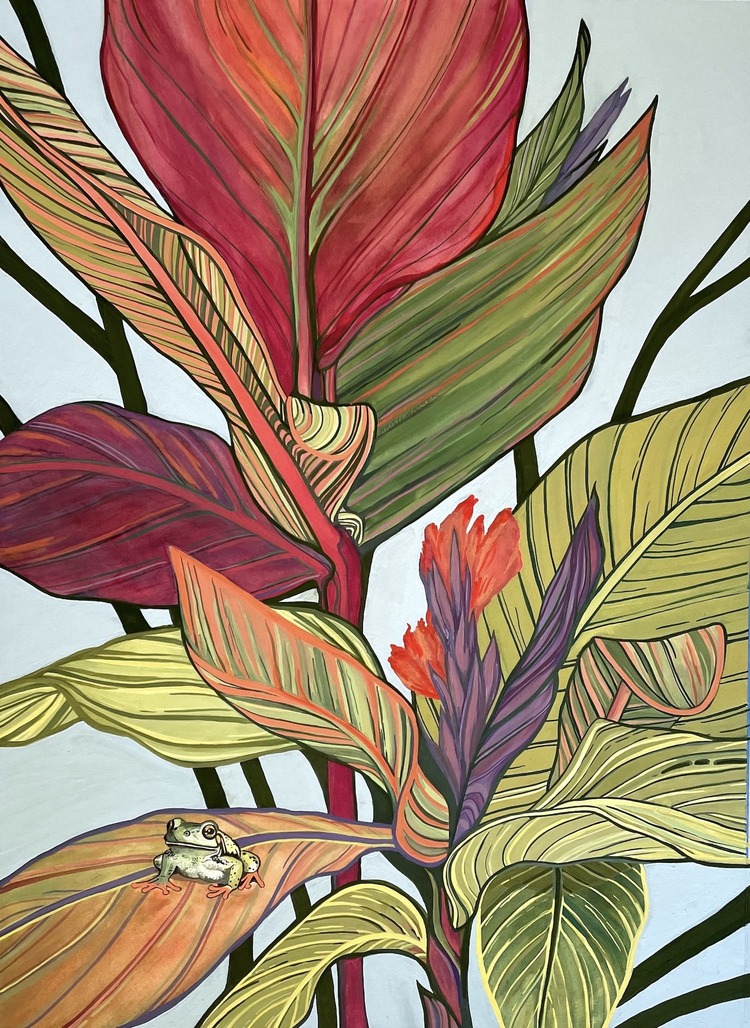
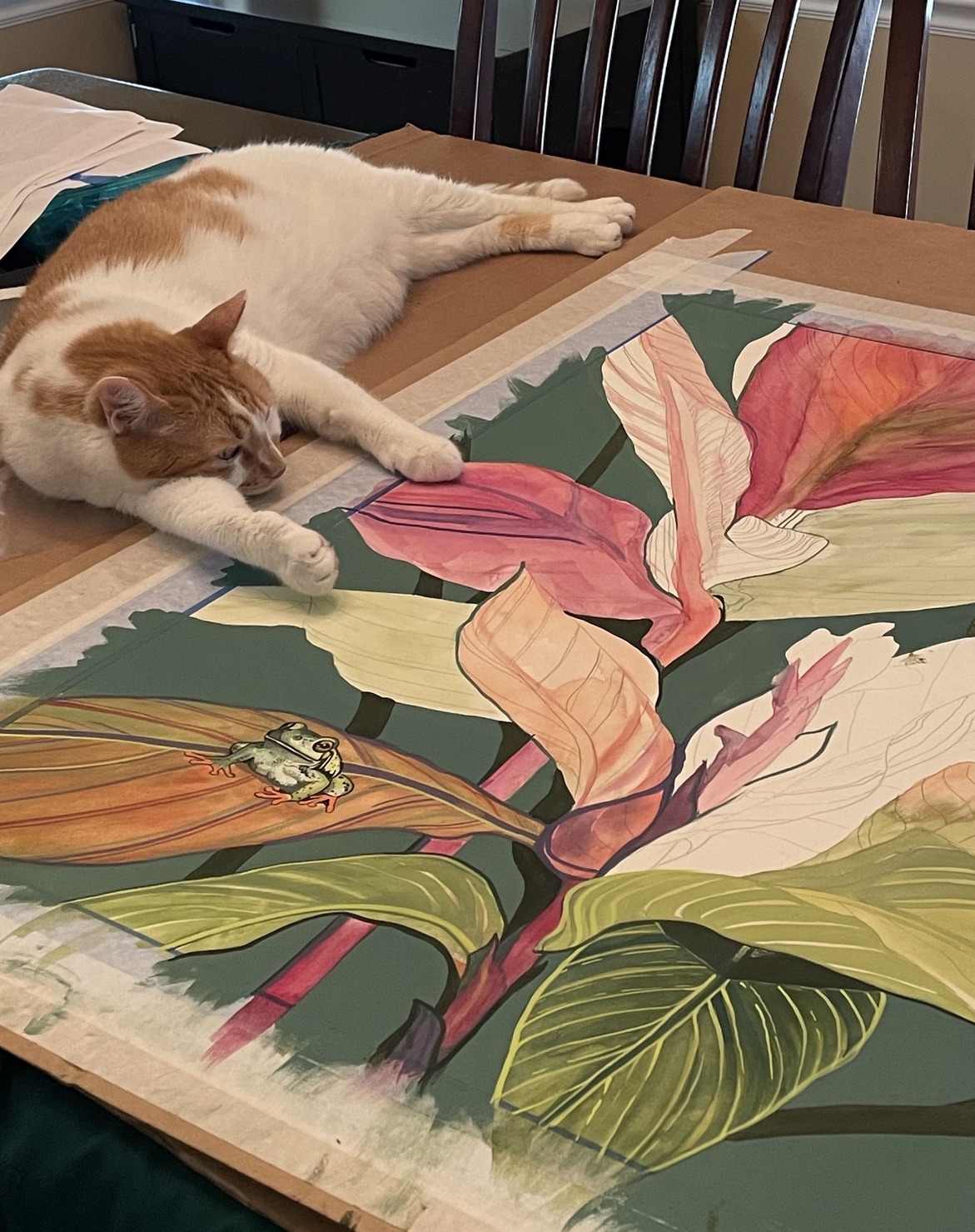
After some time freelancing and working in the Bay Area, I eventually moved to Roseville in my 40s and finished my Graphic Design degree at Sacramento State.
By then, the industry had shifted entirely to computers. I quickly realized that staring at a screen just didnt speak to my artistic heart.
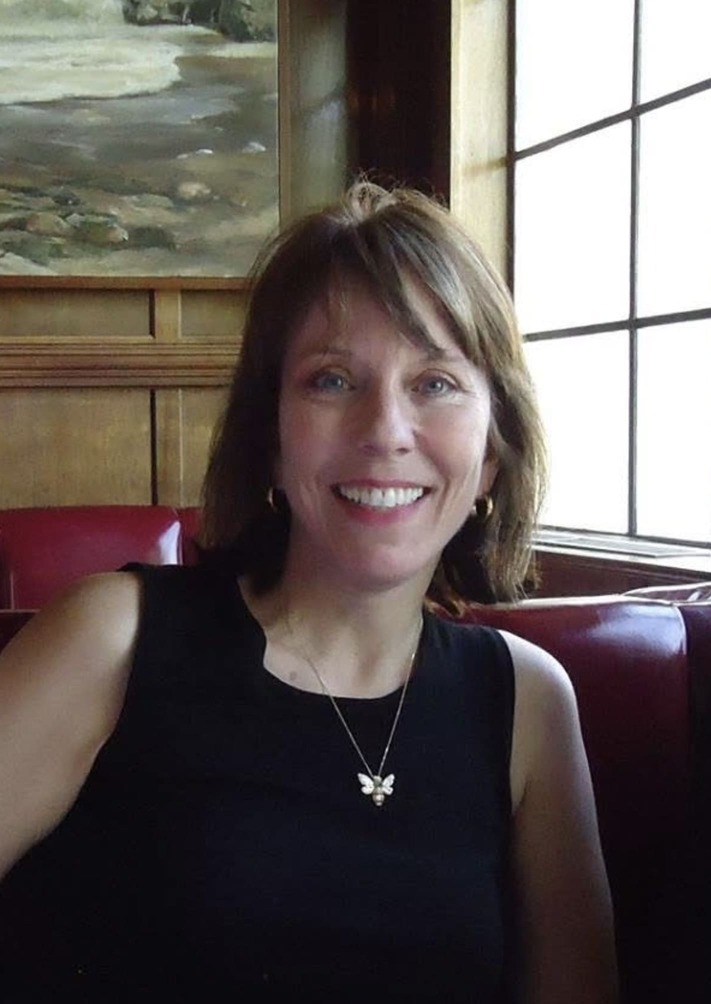
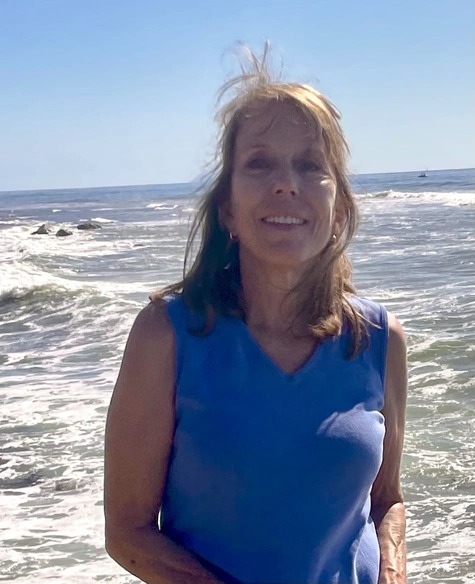
Luckily, that realization led me right back to my true passions: watercolor and oil painting.
Without anything defining what I painted, I let my imagination take over.
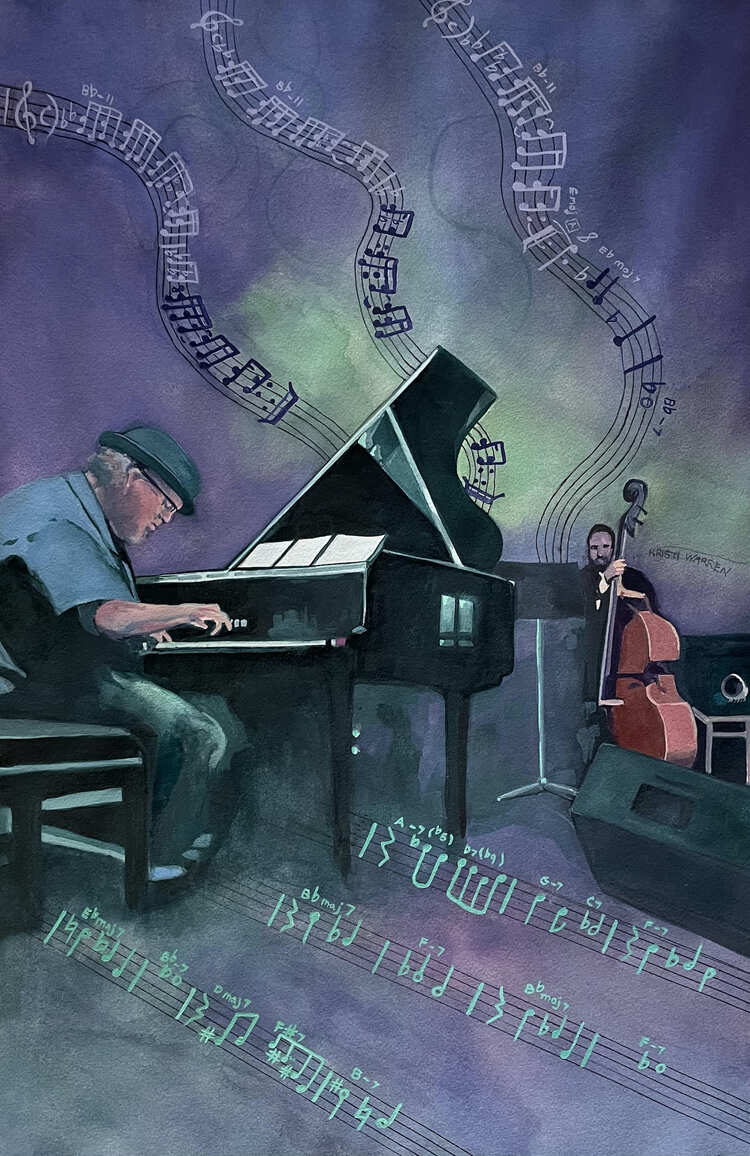
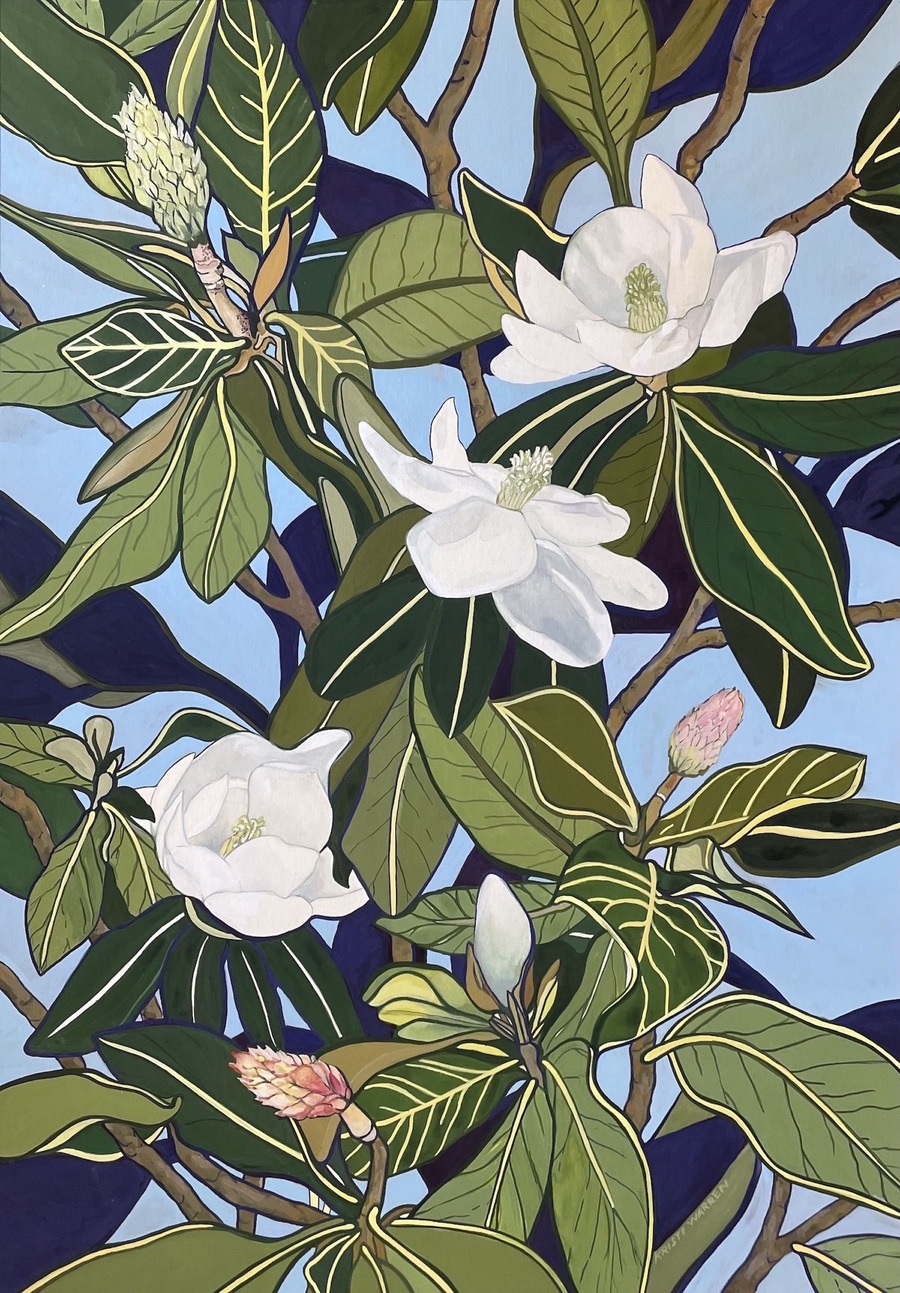
The moment I started painting loose, abstract floral images, everything just started flowing.
Sometimes I incorporate hard lines and geometric squares into my oil paintings to mimic daily structures, highlighting how we are a part of nature rather than separate from it.
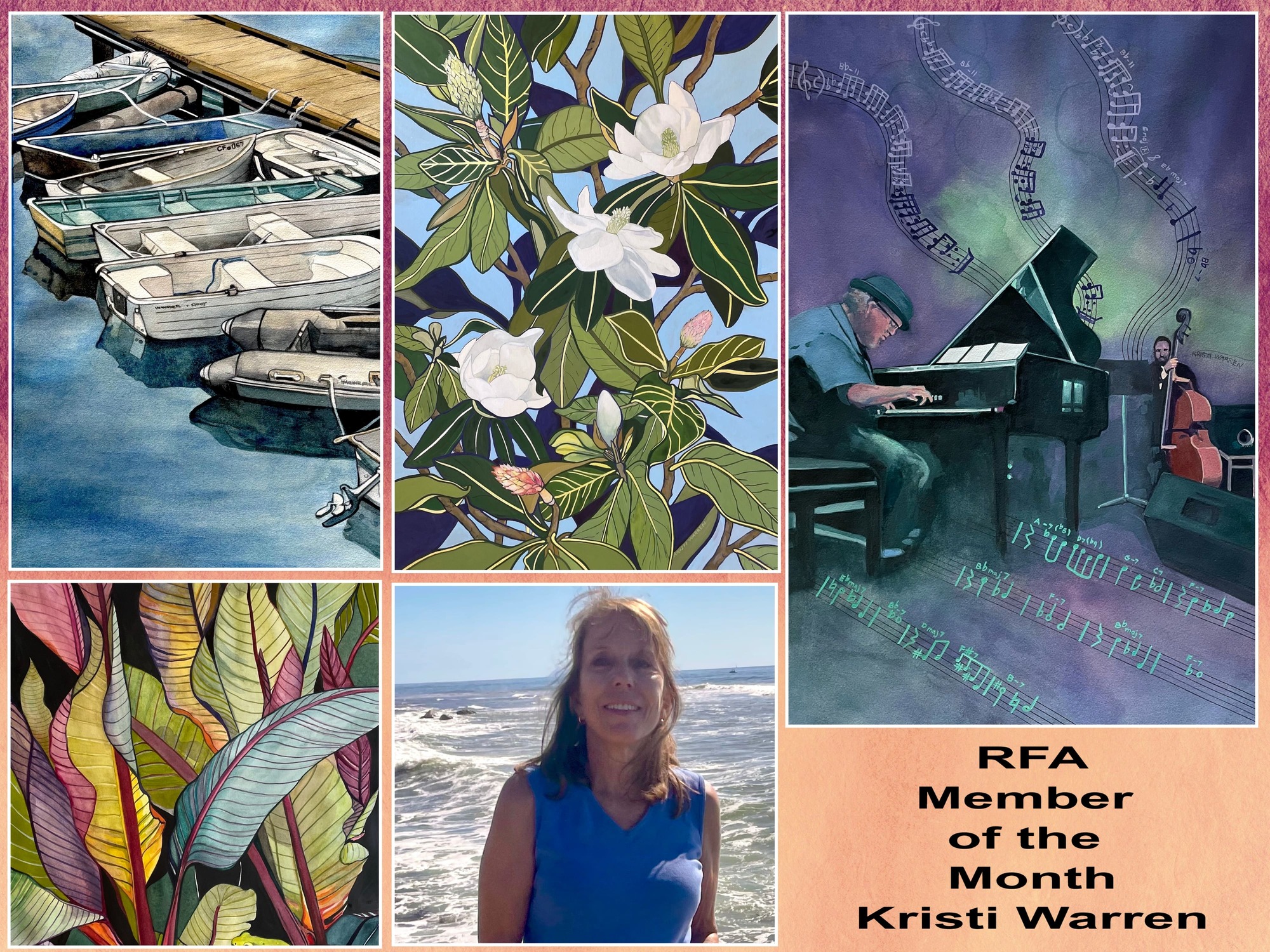
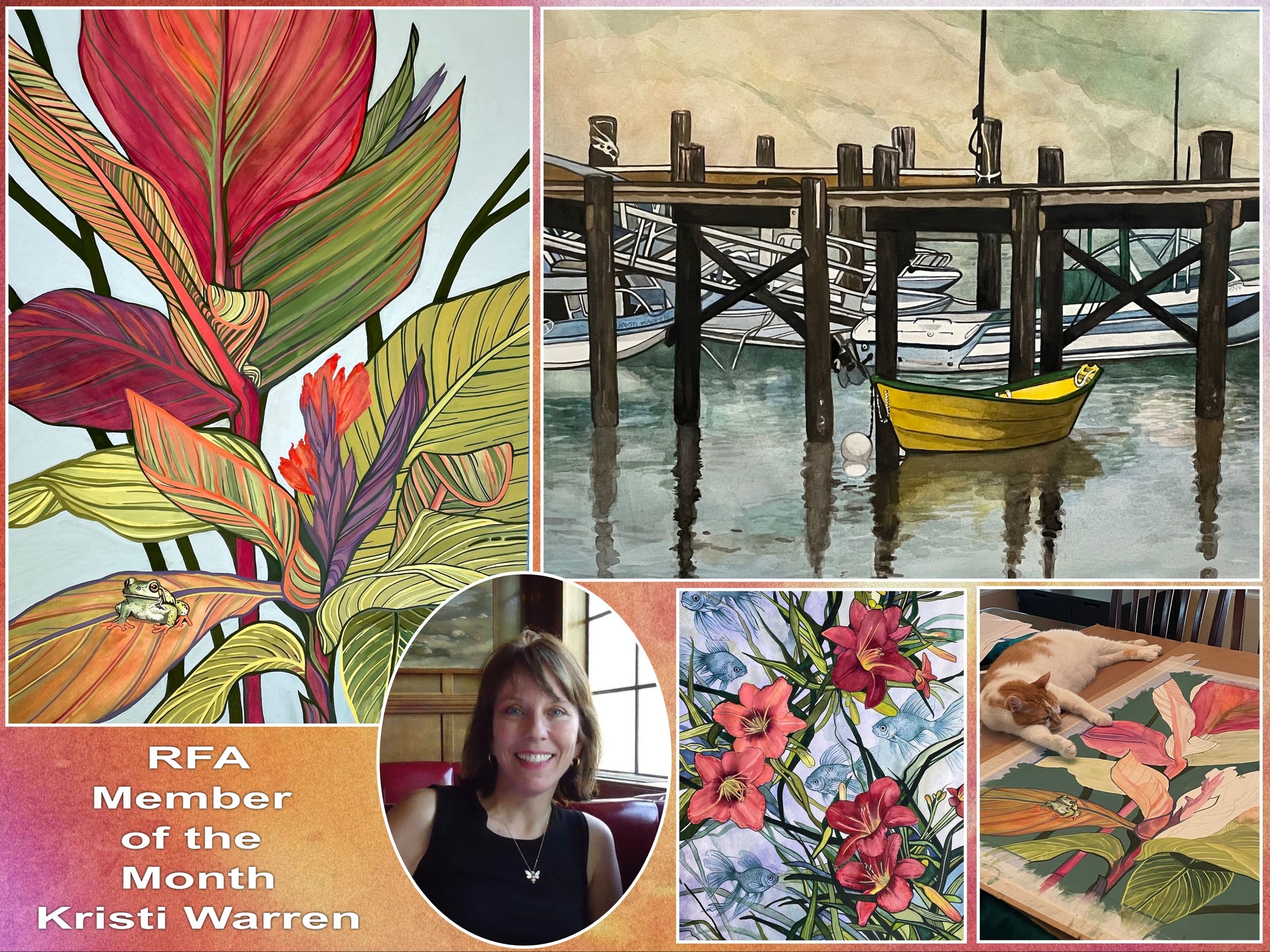
I also like to insert random insects or frogs into some of my work for a bit of tension or interest.
I could offer plenty of mystical meanings about why I paint, but the truth is I just paint the images that pop into my head. Right now, my goal is to keep stretching my wings, pushing my boundaries, and seeing where the muse takes me next.